







Here's the TL;DR
- Ozempic constipation is common and happens because Ozempic and other GLP-1 medications slow gastric emptying and intestinal transit, which reduces motility and increases stool firmness.
- Simple lifestyle adjustments, such as increasing hydration, adding fiber gradually, and maintaining consistent physical activity, can help relieve constipation.
- Magnesium and high-quality probiotics can help improve bowel regularity when used strategically as part of a broader plan.
- Persistent or severe symptoms should always be evaluated with a healthcare provider to ensure safe medication management.
- Prevention works better than reaction, especially when dose changes or appetite suppression alter your normal eating patterns.
Constipation is a common side effect people experience while taking Ozempic, especially during the first few weeks of treatment or after dose increases.
It occurs because the medication slows gastric emptying and intestinal transit time, which allows more water to be absorbed from stool and makes bowel movements harder to pass.
To find relief, you must restore balance to digestion. Increasing water intake, maintaining consistent fiber consumption, moving your body daily, and supporting gut motility with targeted supplements can significantly improve symptoms.
You do not need extreme measures. You simply need structure and smart adjustments.
How Do You Relieve Ozempic Constipation at Home Quickly?
When your system is backed up and discomfort builds, the priority is restoring movement and easing waste passage as efficiently as possible. The following steps are practical actions you can implement right away to find relief.
- Drink water consistently throughout the day. Add electrolytes, such as those found in our AminoJect BCAA powder, if you’ve been sweating heavily to support fluid balance and stool softening.
- Take a gentle walk or move your body. Light movement stimulates intestinal contractions and can trigger bowel activity.
- Increase soluble fiber gradually. Quick boosts from food or supplementation can help add bulk and improve motility.
- Consider magnesium support. Magnesium draws water into the intestines and can promote a bowel movement when used appropriately.
- Use stool softeners if needed. Over-the-counter options can provide short-term relief when lifestyle steps aren’t enough.
Ozempic Constipation Treatment Options
Constipation from GLP-1 medications is common, but it is manageable. The key is supporting gut motility without disrupting training performance, recovery, or overall nutrient intake.
Drink More Water
Semaglutide, the active ingredient in Ozempic, slows gastric emptying and intestinal transit time, which means stool sits longer in the colon and more water is reabsorbed. The result is harder, drier bowel movements.
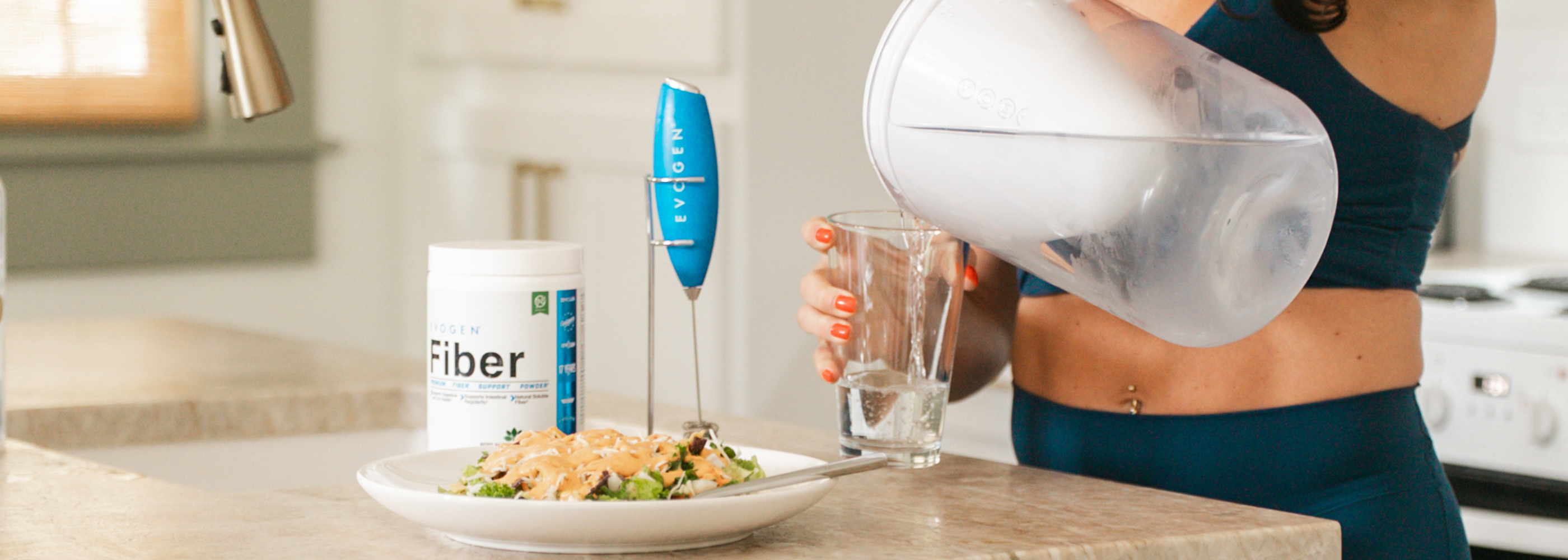
For athletes already sweating through intense sessions, dehydration compounds the problem. Increasing hydration helps counteract this by softening stool and improving motility. Aim for consistent hydration throughout the day, not just around workouts.
Our electrolyte powder can make this easier. This formula contains a full electrolyte profile, including a 2 1/2-to-1 ratio of potassium to sodium, to help you stay hydrated throughout the day so your bowels can function as intended.
For extreme athletes, EVP AQ Liquid Glycerol could be a better match.
This high-performance formula was designed by 25x Olympia-winning coach Hany Rambod to provide unmatched rapid hydration, which is a major benefit during intense training sessions and when you’re struggling with constipation.
Increase Your Fiber Intake
Many athletes cutting weight reduce carbohydrate intake and unintentionally lower fiber intake at the same time. This can absolutely contribute to constipation, especially in those taking Ozempic for weight loss.
Fiber adds bulk to the stool and draws in water to promote easier bowel movements. Adding a structured fiber source can help support regularity while maintaining control over total macros and digestion during a calorie deficit.
Don't rush things, though. A gradual increase is critical to avoid bloating. Increase hydration when upping fiber intake, as fiber absorbs large amounts of water. Not drinking enough can actually worsen constipation.
Get More Exercise
Movement stimulates intestinal contractions, which help push stool through the digestive tract. Even though you may already be training, low-intensity physical activities such as walking can specifically support gut motility.
GLP-1 medications slow digestion by design, so adding daily steps or light cardio outside of lifting sessions may help you find relief. Consistency matters more than intensity when the goal is digestive support.
Add Magnesium and Probiotic Supplements
Magnesium can help stimulate bowel movements by drawing water into the intestines, which may be especially helpful when GLP-1 medications slow gut motility. For athletes already training hard, magnesium also supports muscle function and hydration balance.
Probiotics address the issue from another angle by supporting a healthier gut environment.
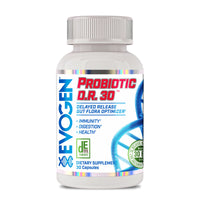
A high-quality formula, such as Evogen's Probiotic DR30, can help maintain microbial balance while your body adjusts to semaglutide, supporting more consistent digestion without harsh stimulation.
Over-the-Counter Stool Softeners or Laxatives
Stool softeners and osmotic laxatives can provide short-term relief if you’re experiencing constipation. However, stimulant laxatives should be used cautiously, as overuse may disrupt natural bowel rhythms.
For athletes focused on long-term performance, laxatives and stool softeners are best reserved for occasional support rather than daily reliance. If symptoms persist despite the use of common over-the-counter remedies, medical guidance is recommended.
Speak with your doctor about the benefits of a digestive cleanse, such as Evogen’s Light & Tight formula, to see if it is recommended for your symptoms.
Build Better Bathroom Habits
Ignoring the urge to go trains the body to delay bowel movements, which worsens constipation over time. Try to establish a consistent routine, ideally after meals when the gastrocolic reflex is active.
Allow yourself adequate time without rushing. Small adjustments, such as elevating your feet to mimic a squatting position, can help improve elimination efficiency and reduce straining.
Eat a Balanced Diet
When calories drop and appetite is suppressed, micronutrient intake often drops as well. A balanced diet that includes vegetables, fruits, and whole-food carbohydrates supports fiber intake and gut diversity.
If daily produce intake is inconsistent, a comprehensive greens formula such as Evogreens can help fill nutritional gaps while supporting digestive health and overall recovery during a cut.
Adding Evovite Multivitamins can help support the increased micronutrient demands created by intense training and active lifestyles and ensure no nutrient gaps are impeding overall health.
Speak With Your Doctor About a Lower Dose
If constipation becomes persistent or severe, dosage adjustments may be necessary. GLP-1 medications affect individuals differently, and some athletes are more sensitive to slowed gastric emptying.
Never reduce or discontinue medication without medical supervision. Speak with your prescribing physician to help determine whether symptoms are a temporary adaptation or a sign that adjustments are needed.
Why Ozempic Causes Constipation
Ozempic is a prescription medication containing semaglutide, originally approved to help manage type 2 diabetes by improving blood sugar control.
Though not approved for weight management by the Food and Drug Administration, Ozempic is widely used off-label for weight loss due to its appetite-suppressing effects.
It works by mimicking GLP-1, a hormone that slows gastric emptying, reduces hunger, and increases insulin release.
That gastric slowdown is where constipation enters the picture. By delaying stomach emptying and reducing intestinal motility, food moves more slowly through the digestive system. More water is reabsorbed in the colon, producing harder stools.
For athletes already eating high-protein, lower-fiber diets during a cut, that slowed transit time can quickly translate into uncomfortable constipation.
How Long Does Ozempic Constipation Last?
Constipation is most common during the early weeks of starting or increasing a dose. As the body adapts to slowed gastric emptying, symptoms often improve.
In fact, one study found that constipation tends to last for roughly 47 days, but individual responses will vary. Hydration, fiber intake, activity level, and overall diet quality all influence how long symptoms persist.
When To Seek Medical Help for Constipation From Ozempic
Occasional constipation can usually be managed with hydration, fiber, and movement. However, medical evaluation is warranted if you experience severe abdominal pain, chronic constipation, persistent bloating, vomiting, blood in the stool, or no bowel movement for several days despite intervention.
Athletes should also seek medical advice if constipation begins interfering with appetite, fueling, or training performance. Any sudden or worsening changes in bowel habits deserve prompt medical attention.
How To Prevent Ozempic-Related Constipation
To prevent constipation, take action before symptoms escalate. To avoid gastrointestinal side effects, prioritize daily hydration, especially if you’re training intensely and losing fluids through sweat.
Keep fiber intake consistent, aiming for gradual increases from whole foods and structured supplementation when needed.
Maintain daily physical activity outside of lifting sessions to stimulate gut motility, and avoid dramatically slashing carbohydrates during a cut without replacing lost fiber.
Most importantly, introduce dose increases gradually under medical supervision. Supporting digestion and improving gut health proactively allows you to stay focused on performance rather than managing avoidable setbacks.
Other Possible Ozempic Side Effects To Be Aware Of
In addition to constipation, other common side effects of Ozempic include nausea, vomiting, diarrhea, reduced appetite, bloating, and abdominal discomfort, particularly during dose escalation.
Some individuals experience fatigue as calorie intake drops. More serious but less common side effects from Ozempic include gallbladder issues and pancreatitis.
For athletes, suppressed appetite can also make it difficult to meet protein and micronutrient targets, which may impact recovery.
Monitor how your body responds and communicate openly with your healthcare provider to ensure adjustments are made before performance or health is compromised.
Manage Ozempic Constipation Without Compromising Your Goals
Constipation from Ozempic doesn’t have to derail your performance or your mindset. Understanding why it happens and proactively supporting hydration, fiber, and movement gives you control instead of forcing you to react when symptoms hit.
In our experience working with athletes, consistent habits matter more than quick fixes because progress comes from persistence.
As Evogen’s founder, Hany Rambod, often reminds us, elite performance isn’t built on luck; it’s built on layers of intentional habits. Managing digestion proactively helps keep training quality high and recovery on track.
With the right strategy, you can find constipation relief and restore optimal bowel function, even while taking Ozempic.
Try Evogen Fiber Premium Support Powder to add soluble fiber without bloating, or start with our Hydration Full Spectrum Electrolyte Power to support hydration throughout the day. Make adjustments to your routine until you find what works for you.