











If you are trying to figure out how to improve gut health, here is the truth most athletes eventually learn. Your gut is either supporting your performance or quietly working against it. When it is strong, digestion feels smoother, energy stays more stable, and recovery stops feeling like a fight. When it is not, every rep, run, or conditioning session feels heavier than it should. Even your protein can feel harder to process, which is why many athletes switch to a clean whey isolate like IsoJect when their stomach starts pushing back.
Your gut influences far more than digestion. It affects how you absorb nutrients, how you handle stress, how steady your energy is throughout the day, and how well you bounce back from hard training. We see it constantly with athletes who come in frustrated by brain fog, bloating, or unpredictable energy despite doing everything “right.” Once their gut health improves, everything else starts clicking. The good news is that building a healthier gut does not require extreme changes. It comes from simple, consistent habits that strengthen your microbiome over time.
Why Gut Health Matters for Performance and Overall Health
Your gut plays a far bigger role than just breaking down food. It is an engine that influences inflammation, vitamin production, and communication between your digestive system and brain. When your gut microbiome is thriving, your immune function, nutrient absorption, and energy levels all improve in ways that directly impact your training.
At Evogen Nutrition, we see this with our athletes all the time. Someone walks in with solid programming and nutrition on paper, yet still feels sluggish or mentally foggy. When we support their gut health, their strength, recovery, and overall performance often take a noticeable jump.
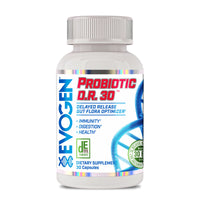
A targeted approach can help. A high-quality probiotic supplement can help support a healthy gut environment by introducing beneficial bacteria that aid digestion, nutrient absorption, and immune balance. Our probiotic formula provides clinically studied strains designed to survive stomach acid and deliver targeted support to the gut microbiome. Pairing probiotics with daily fiber intake and whole-food nutrition helps create conditions where healthy bacteria can thrive.
Can Poor Gut Health Cause Anxiety?
Your gut and brain are constantly communicating. When your gut bacteria are out of balance, inflammation can interfere with neurotransmitter production and affect how you respond to stress. This can influence mood, focus, and even sleep quality.
If you have ever noticed your digestion fall apart during stressful weeks or your focus fade when your gut feels off, you have experienced the gut-brain axis in action. Supporting your gut is one of the most practical ways to support your mental health.
Hany, our CEO and founder, often reminds athletes that roughly 90% of serotonin is produced in the gut. When gut health declines, anxiety, irritability, and sleep issues can rise. Strengthening the gut microbiome helps create a steadier mood, clearer thinking, and better recovery.
Signs of Poor Gut Health to Watch For
Your body gives clear signals when your gut needs attention. Digestive issues such as bloating, gas, constipation, diarrhea, or stomach pain after meals are common indicators of microbial imbalance. These symptoms often intensify when sleep or stress becomes inconsistent.
Non-digestive symptoms also matter. Fatigue, skin issues, sugar cravings, and difficulty concentrating can all reflect poor gut health. If these patterns persist, it may be time to evaluate your habits and recovery strategies.
Athletes frequently report disrupted sleep during phases of poor gut health. Since neurotransmitters are involved in sleep regulation, imbalances in the gut can directly influence sleep quality and overall well-being.
Changes in Bowel Habits That Signal Problems
Bowel habits offer helpful insight into gut health. A healthy pattern usually includes one to three comfortable, formed stools per day. Large swings between constipation and diarrhea may indicate dysbiosis or gastrointestinal disorders such as irritable bowel syndrome.
The appearance of stool can also signal issues. Pale stools may reflect bile flow problems. Black or tarry stools can indicate bleeding higher in the gastrointestinal tract. Stools that float consistently may suggest fat malabsorption related to enzyme deficiencies or irritation of the gut lining.
Persistent symptoms despite lifestyle changes might point to inflammatory bowel disease, such as Crohn's disease or ulcerative colitis. These concerns should always be evaluated by a healthcare professional.
How Gut Bacteria Help Digestive Health
Healthy gut bacteria play essential roles in digestion. They break down fibers your body cannot process alone and convert them into short-chain fatty acids that fuel the gut lining, reduce inflammation, and support consistent bowel habits.
These microbes also synthesize essential B vitamins and vitamin K and support mineral absorption for nutrients such as magnesium and calcium. These nutrients are crucial for muscle function, recovery, and energy production. When your microbiome is imbalanced, digestive discomfort and poor nutrient absorption often follow.
Connection Between Gut Microbiome and Immune System
Your gut is home to a large portion of your immune system. It is designed to constantly evaluate what enters your body and respond appropriately. Healthy bacteria help immune cells distinguish between harmful pathogens and everyday substances such as food particles.
A diverse microbiome strengthens immune resilience by exposing your body to many beneficial microbes. Diversity helps prevent harmful bacteria from taking over and reduces the risk of infections and inflammatory diseases.
However, when the gut lining becomes weak, harmful bacteria and toxins can pass into the bloodstream more easily and trigger inflammation throughout the body. This can make recovery harder and leave you more vulnerable to illness.
Foods That Improve Gut Health
Your food choices directly shape your gut microbiome. Every meal moves your gut toward balance or imbalance. To support beneficial bacteria, focus on eating a wide variety of whole foods.
Aim for at least 25 to 30 different plant foods each week. Variety increases microbial diversity and strengthens your digestive system. Focus on fiber-rich foods such as whole grains, legumes, nuts, seeds, fruits, and vegetables. Soluble fiber from foods like oats and apples helps feed beneficial bacteria, while insoluble fiber from whole grains supports bowel regularity.
Add fermented foods such as kefir, yogurt with live cultures, sauerkraut, kimchi, miso, and tempeh to introduce new beneficial bacteria into your gut. Avoid options with high added sugar, as it feeds harmful bacteria.
Highly processed foods and artificial sweeteners can interfere with beneficial gut bacteria and contribute to digestive discomfort. This is why we encourage athletes to build meals primarily around fresh, whole foods.
Best Training Nutrition Practices for Gut Health
Training nutrition can make a big difference in how your gut feels during and after workouts. Heavy, high-fat meals right before training often cause digestive issues. Choose easy-to-digest carbohydrates like bananas or rice before your session.
After training, focus on lean protein, whole grains, and colorful vegetables to support digestion and nutrient absorption. Eating whole foods consistently during the week helps fuel your microbiome and makes digestion more predictable.
Many athletes who shift away from ultra-processed foods report fewer stomach issues, more consistent energy, and better workout quality. As Hany likes to say, consistency in your nutrition shows up in your performance and in your gut.
Fiber and Resistant Starch for Healthy Bacteria
Fiber is a cornerstone of digestive health. Aim for 25 to 35 grams per day and increase gradually to avoid discomfort. Soluble fiber helps feed beneficial bacteria, while insoluble fiber keeps digestion moving smoothly.
Resistant starch is another powerful tool. It is found in green bananas, cooled potatoes, sweet potatoes, and refrigerated rice. Resistant starch reaches the colon intact and feeds beneficial bacteria that produce short-chain fatty acids, which help protect the gut lining.
Plant-Based Foods, Whole Foods, and a Diverse Microbiome
Plant-based foods promote microbial diversity, which is essential for long-term gut health. These foods provide fiber, prebiotic components, and plant compounds that support a balanced microbiome. Sweet potatoes, berries, leafy greens, and cruciferous vegetables are particularly beneficial.
You do not need to follow a fully plant-based diet to benefit. Simply aim to build most meals around whole, unprocessed foods. When you prioritize these foods consistently, inflammation tends to decrease, and digestive comfort improves.
Prebiotic and Probiotic Foods to Add Daily
Prebiotic foods such as garlic, onions, leeks, and asparagus supply inulin, a nutrient that feeds beneficial bacteria. Resistant starch also acts as a prebiotic, helping regulate bowel habits.
Probiotic foods like yogurt, kefir, kimchi, sauerkraut, miso, and tempeh introduce beneficial bacteria directly into the gut. Eating both prebiotic and probiotic foods creates a powerful combination that supports gut microbiota diversity.
Essential Vitamins for Gut Health
Your gut depends on key vitamins and minerals to maintain its lining and support immune function. Vitamin D plays an important role in gut barrier integrity. B vitamins support energy metabolism and the maintenance of the gut lining. Zinc aids in repairing the gut lining and supporting enzyme activity.
Magnesium helps regulate bowel motility, and omega-3 fatty acids support the gut lining and help reduce inflammation. These nutrients are essential for both gut health and athletic performance.
How Probiotic Supplements Support Good Bacteria
High-quality probiotic supplements can support gut health when used consistently. Look for multi-strain products with 10 to 20 billion CFU and strains such as Lactobacillus acidophilus, Bifidobacterium longum, and Saccharomyces boulardii.
Proper storage and timing matter. Some probiotics require refrigeration. Many work best on an empty stomach or with a small snack, depending on label instructions.
Digestive Enzymes and When to Use Them
Digestive enzymes help break down proteins, fats, and carbohydrates. They can be especially helpful before meals that tend to cause discomfort. Use them strategically rather than relying on them daily.
Simple Daily Habits to Improve Gut Health
Building strong gut health often comes down to simple, repeatable habits. Start by chewing your food thoroughly, which prepares your digestive system to break it down effectively. Eating at consistent times supports your gut’s natural rhythm.
Make fruits and vegetables a daily priority and stay physically active, since movement supports digestion. These small habits compound over time and create meaningful improvements in gut health.
Hydration and Electrolytes for Digestive Function
Proper hydration helps maintain digestive juices and supports a healthy gut lining. Dehydration slows digestion and increases the chance of constipation or stomach discomfort. Electrolytes such as sodium, potassium, and magnesium support fluid balance in the digestive tract. Our EVP AQ featuring glycerol can be used as part of a pre-workout hydration strategy.
Stress, Sleep Disturbances, and Gut Health
Stress affects gut health quickly. Elevated cortisol levels weaken the gut barrier, increase inflammation, and disrupt the balance of gut bacteria. Even short bursts of stress can impact digestion.
Sleep also has a major impact. Poor sleep can alter the microbiome within a couple of days and contribute to weight gain and blood sugar instability. Maintaining consistent sleep patterns helps protect the gut and supports more predictable digestion.
Sleep, Recovery, and the Microbiome
Your gut has its own circadian rhythm. When your sleep is inconsistent, your gut rhythm becomes inconsistent too. Aim for seven to nine hours of sleep each night and keep your environment cool and dark.
Many athletes find that magnesium glycinate supports relaxation and regular bowel movements when used correctly.
Supplements Athletes Often Use for Gut Support
Athletes often rely on targeted support to keep their digestion and nutrient absorption running smoothly. Evogen offers several gut-focused formulas that fit naturally into an everyday wellness routine:
-
A probiotic supplement helps maintain a balanced microbiome, which supports digestion, immune function, and nutrient uptake.
-
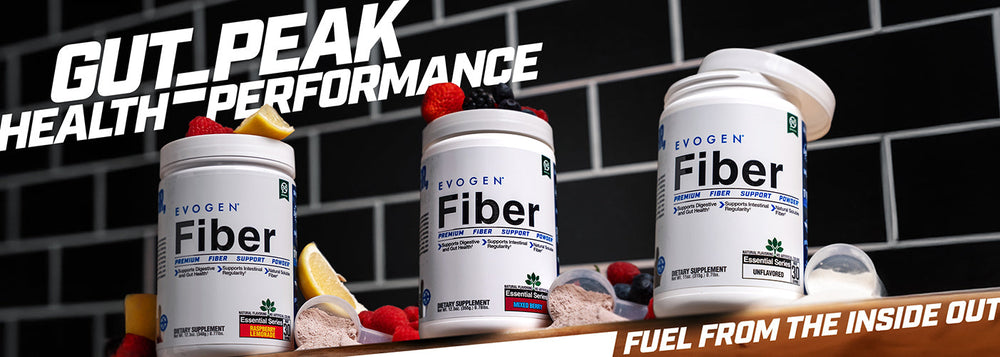
A premium fiber powder supports regularity, feeds beneficial gut bacteria, and helps stabilize digestion, especially for athletes with higher-calorie diets.
-
A digestive enzyme blend helps break down protein, carbs, and fats more efficiently, helping reduce bloating or discomfort after larger meals.
Together, these products can complement whole-food nutrition and give athletes the digestive support they need for consistent training and recovery.
Athlete Gut Health Stack Example
Many of our athletes follow a simple gut health stack that supports digestion, recovery, and performance without overcomplicating their routine. The goal is consistency, not perfection, and this framework helps keep digestion predictable even through hard training cycles.
Start the morning with a multi-strain probiotic and a small serving of prebiotic fiber such as PHGG or inulin to help feed beneficial bacteria. This combination supports balanced digestion throughout the day and sets the foundation for better nutrient absorption.
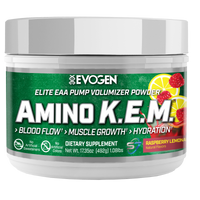
Before training, pair your chosen pre-workout with EVP AQ featuring glycerol for hydration support. During training, Amino K.E.M. helps support hydration, electrolytes, and performance. After training, Isoject provides clean, easy-to-digest protein to support recovery without putting stress on the gut.
This routine keeps everything simple, athlete-friendly, and focused on supporting your microbiome while still fueling high-level performance.
Practical Meal Example to Improve Gut Health
A simple daily structure can support gut health. In the morning, yogurt or kefir paired with oats, berries, and nuts provides fiber and beneficial bacteria.
Lunch might include grilled protein with vegetables and whole grains. Before training, choose easy-to-digest carbohydrates. After training, lean protein with vegetables and rice can support recovery.
In the evening, fermented vegetables or tempeh with cooked root vegetables offer additional prebiotic and probiotic support.
Rotating plant foods throughout the week encourages microbial diversity.
Common Digestive Symptoms and What They Mean
Several digestive symptoms can signal specific gut issues. Bloating and gas may stem from rapid dietary changes or low enzyme activity. Constipation and diarrhea may indicate IBS or dysbiosis. Stomach pain can reflect enzyme deficiencies or irritation of the gut lining.
Key Nutrients to Monitor for Digestive Health
Zinc, magnesium, vitamin D, omega-3s, and B vitamins all support gut lining repair, immune function, and digestive health. Ensuring you get enough of these nutrients daily helps reinforce a strong digestive system.
Lifestyle Checklist to Improve Your Gut
Improving gut health requires consistent daily habits. Eat a variety of fruits and vegetables. Include fermented foods regularly. Aim for 25 to 35 grams of fiber per day. Keep your sleep consistent and drink enough water throughout the day. Managing stress will further support your gut microbiome.
How Quickly Will You See Results
Gut health can improve quickly when you make targeted changes. Some improvements appear within days, while bigger changes to the microbiome may take several weeks. With consistency, athletes often notice reduced bloating, steadier energy, and better recovery.
Put Your Gut to Work
Supporting your gut health is one of the most effective ways to elevate your training. When your gut is functioning well, you think more clearly, recover faster, and perform at a higher level.
Start with simple, sustainable habits. Build your nutrition around diverse whole foods, support hydration, and get the sleep your body needs. As you refine your approach, Evogen products can support you. Isoject keeps protein intake clean and gentle on digestion. Amino K.E.M. supports hydration and performance during training. EVP AQ featuring glycerol helps drive pre-workout hydration and should be used only with other pre-workout supplements.
If you are committed to performing at your highest level, strengthening your gut health is a powerful place to start.
Ready to take the next step? Explore our performance-focused formulas and find the support you need to train at your absolute best.