










Here's the TL;DR
- Persistent fullness and bloating are the most common early signs of slow digestion, especially for athletes using GLP-1 medications.
- Hydration, fiber intake, meal size, and daily activity all influence digestive speed.
- Addressing slow digestion before constipation develops supports training, recovery, and overall performance.
- Gut support supplements, such as probiotics or fiber powders, can complement healthy habits for smoother digestion.
- Persistent discomfort, nausea, or irregular digestion could indicate a more serious issue.
The signs of slow digestion can vary, but persistent bloating, lingering fullness after meals, and a heavy or pressured feeling in the stomach are among the most common.
These symptoms often appear when food moves more slowly through the digestive tract, a process closely tied to gut motility.
For athletes or active individuals using GLP-1 medications such as Ozempic or Wegovy, this slowdown can become more noticeable as gastric emptying naturally decreases.
When digestion slows, so does the processing of nutrients, which can have a major impact on your workouts. Increased bloating, gas, and discomfort further affect performance.
Fortunately, targeted adjustments to hydration, fiber intake, movement, and gut support can help restore a smoother digestive rhythm and help you feel like yourself again.
Common Signs of Slow Digestion
The signs of slow digestion often start subtly, manifesting as discomfort after meals rather than a clear digestive problem. When food moves too slowly through the stomach, the small intestine, and the large intestine, pressure, gas, and prolonged fullness can build.
For athletes focused on fueling and recovery, these symptoms can make it harder to eat enough and feel comfortable during training.
Common signs include:
- Persistent bloating after meals: When digestion slows, food sits longer in the stomach, allowing gas to build and creating noticeable abdominal swelling.
- Feeling overly full too quickly: Early satiety can occur when the stomach empties slowly, which makes it difficult or uncomfortable to eat normal portions.
- A lingering “heavy stomach” sensation: Meals may feel like they sit in the stomach for hours, especially after protein-dense foods and protein shakes common in athletic diets.
- Frequent burping or mild reflux: Slow digestion can cause pressure that pushes gas upward through the digestive tract.
- Reduced appetite despite needing calories: Delayed gastric emptying can suppress hunger signals, making it harder to maintain consistent nutrition.
Understanding Gut Motility
Healthy digestion relies on coordinated muscular contractions that move food through the gastrointestinal tract. This process, known as gut motility, begins in the stomach and continues through the small and large intestines.
Muscles rhythmically contract and relax in wave-like patterns called peristalsis to gradually push partially digested food through your system.
When motility functions properly, nutrients are absorbed efficiently, and waste moves through the system at a steady pace.
If motility slows, food remains in the stomach longer than it should. This causes increased pressure, gas formation, and the uncomfortable symptoms associated with slow digestion.
What Causes Slow Digestion?
Slow digestion rarely has a single cause. More often, it develops from a combination of dietary habits, lifestyle factors, and medications that alter how quickly food moves through the gastrointestinal tract.
For athletes and bodybuilders, certain cutting strategies, supplement routines, or medications can unintentionally slow digestive processes.
Common contributors include:
- GLP-1 medications: Semaglutide drugs such as Ozempic and Wegovy intentionally slow gastric emptying to help regulate blood sugar and appetite. While this is effective for weight management, it can also delay the movement of food through the stomach.
- Other medications: Opioid pain relievers, certain antidepressants, and medications for high blood pressure, weight loss, and allergies can slow stomach emptying.
- Low fiber intake: Fiber adds bulk to food and helps stimulate intestinal contractions. Diets high in protein but low in vegetables, fruits, and whole grains may reduce digestive movement.
- Low daily activity: Even athletes who train intensely may spend hours at a time not moving much outside of workouts. Regular movement helps stimulate intestinal motility.
- Dehydration: Water supports stool formation and smooth movement through the intestines. Inadequate fluid intake slows the digestive process.
- High-fat meals: Fat naturally slows stomach emptying. Very high-fat meals may amplify feelings of fullness and sluggish digestion.
- Stress and nervous system effects: The digestive system is closely tied to the autonomic nervous system. Chronic stress can disrupt gut motility and slow digestion.
- Large, infrequent meals: Eating very large portions, especially after long fasting periods, can overload the stomach and delay emptying.
How GLP-1 Meds Affect Digestion
GLP-1 receptor agonists mimic a naturally occurring hormone that helps regulate blood sugar and appetite. Medications such as Ozempic and Wegovy slow gastric emptying so food remains in the stomach longer, which increases satiety and reduces calorie intake.
As stomach emptying decreases, gut motility can become less active, which may lead to bloating, prolonged fullness, and other early signs of sluggish digestion.
It’s important to support gut balance when taking Ozempic, Wegovy, and other medications containing semaglutide to counteract the effects of slowed gastric emptying.
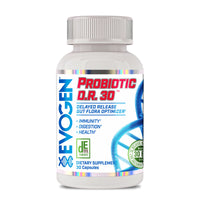
Evogen Nutrition Probiotic DR 30 delivers a diverse blend of probiotic strains with 30 billion CFU per capsule in a delayed-release formula designed to support regularity and gut comfort when you notice signs of slow digestion.
How Does a Low-Fiber Diet Contribute to Signs of Slow Digestion?
Fiber is essential to maintain healthy gut motility. It adds bulk to food as it moves through the digestive tract and helps stimulate the muscular contractions that keep digestion moving forward.
When fiber intake is too low, food can linger longer in the stomach and intestines. This increases pressure, gas formation, and post-meal bloating.
A low-fiber diet is especially common among athletes who prioritize high protein intake while reducing carbohydrates. Without enough vegetables, fruits, and whole-food fiber sources, digestion can gradually slow and produce the early signs of sluggish digestive movement.
We all know that meeting fiber intake recommendations isn’t always easy, especially when most days are spent juggling work, family, friends, errands, and trips to the gym. A high-quality fiber supplement makes it easier.
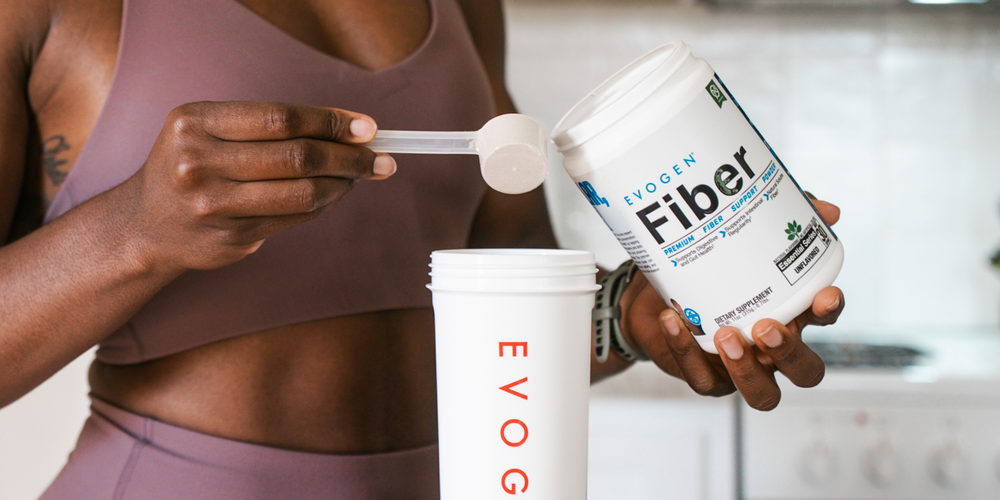
Evogen’s Premium Fiber Support is an unflavored powder that can be mixed with water, shakes, or any other drink. It is designed to nourish gut flora, improve regularity, and promote healthy digestion, all while supporting efficient nutrient absorption so you can stay at the top of your game.
Could Your Slow Digestion Be Gastroparesis?
Occasional slow digestion is common, especially when diet, stress, or medications affect gut motility. Gastroparesis, however, is a more serious condition in which the stomach takes too long to empty due to impaired stomach nerve or muscle function.
Unlike temporary digestive sluggishness, gastroparesis persists regardless of meal composition or hydration.
Food can remain in the stomach for extended periods, increasing symptoms such as nausea and vomiting, severe fullness, and chronic bloating that do not resolve with simple lifestyle adjustments.
Symptoms of Gastroparesis
Symptoms of gastroparesis typically extend beyond occasional bloating. People with gastroparesis often experience persistent nausea, vomiting after meals, and feeling full after eating only small amounts of food.
Abdominal bloating and discomfort are common, along with reduced appetite and unintentional weight loss in more advanced cases.
Because food remains in the stomach longer than normal, digestion becomes unpredictable, which can cause fluctuating blood sugar levels and prolonged post-meal discomfort.
What Causes Gastroparesis?
Gastroparesis usually develops when the nerves or stomach muscles responsible for contractions stop functioning properly, which causes food to remain in the stomach much longer than usual.
Damage to the vagus nerve, which helps regulate digestive movement, is a common contributor. Diabetes, certain surgeries involving the stomach or esophagus, and some medications that slow gastric emptying are also common causes of gastroparesis.
In some cases, the cause is unclear. If no cause can be identified, the condition is known as idiopathic gastroparesis.
Gastroparesis vs. Functional Dyspepsia
Both gastroparesis and functional dyspepsia involve upper digestive discomfort, but the underlying mechanisms differ.
- With gastroparesis, stomach emptying is measurably delayed due to impaired motility.
- Functional dyspepsia causes symptoms such as bloating, fullness, and stomach pain without clear evidence of delayed gastric emptying.
The symptoms of these conditions can be very similar, but physicians can use diagnostic testing to determine whether digestion is truly slowed due to impaired stomach nerves and muscles or if the discomfort stems from sensitivity within the digestive system.
How To Improve Digestion Naturally
Improving digestion requires an ongoing effort to restore the daily habits that keep gut motility active and food moving smoothly through the digestive tract.
For athletes and high-performers, strategic strategies to improve gut health can help reduce bloating, improve nutrient absorption, and keep your fueling plan working as intended.
Prioritize Hydration
Hydration is absolutely essential for healthy digestion. Fluids help soften food as it moves through the stomach and intestines while supporting the muscular contractions that drive gut motility.
When hydration is low, especially during intense training cycles, digestion can slow, and bloating becomes more noticeable. Consistently drinking water throughout the day is essential, particularly around workouts when fluid loss increases.
For athletes looking to support hydration during hard training sessions, a performance-focused formula such as Evogen EVP‑AQ Liquid Glycerol can help maintain fluid balance and support endurance by helping pull water into muscle cells for better hydration and training output.
Increase Daily Fiber Intake
Fiber helps regulate digestive movement by adding bulk to food and supporting the rhythmic contractions that move it through the digestive tract.
When fiber intake drops, which is something that often happens during high-protein cutting phases, food may sit longer in the stomach, leading to bloating and delayed digestion.
Gradually increasing fiber through vegetables, fruits, and soluble fiber sources can help restore normal digestive flow.
Supplementing with a structured fiber source such as Evogen Fiber Powder can make it easier to maintain consistent fiber intake. This formula delivers soluble fibers such as psyllium husk, inulin, and soluble corn fiber to help support digestive balance and nutrient absorption.
Support Gut Bacteria With Probiotics
The gut microbiome is the driving force behind digestion. Beneficial bacteria help break down food components, regulate inflammation, and support healthy nutrient absorption.
When the microbiome becomes imbalanced due to diet changes, stress, or medications, digestive efficiency can decline.
Adding a probiotic can help reinforce microbial balance. A targeted formula such as our Probiotic D.R. 30 delivers strains designed to support digestive health and maintain a healthier gut environment, which can help reduce bloating and improve overall digestive consistency.
Eat Smaller, More Structured Meals
Large, infrequent meals can overwhelm the digestive system, particularly when gastric emptying is already slowed. Breaking daily intake into smaller, evenly spaced meals allows the stomach to process food more efficiently.
This approach is especially helpful for athletes consuming high-protein diets or using GLP-1 medications that naturally slow stomach emptying. Consistent meal timing helps regulate digestive rhythm and can reduce the uncomfortable fullness associated with slow digestion.
Stay Physically Active Outside the Gym
Movement stimulates digestion. Even though many athletes train intensely, long periods of inactivity before or after workouts can slow gut motility.
Light activity, such as walking after meals, encourages the muscular contractions that help move food through the digestive tract. Something as simple as a 10-minute walk after eating can noticeably reduce bloating and improve digestive comfort over time.
When To See a Doctor
Most cases of slow digestion can be managed with lifestyle adjustments, but persistent or severe symptoms require medical attention.
You should see your healthcare provider if you experience frequent vomiting, unintentional weight loss, severe abdominal pain, or food that consistently feels like it’s sitting in your stomach for hours.
Address the Signs of Slow Digestion Before They Slow Your Progress
Digestive efficiency is more than comfort; it’s fuel for performance. As our founder, Hany Rambod, emphasizes, every meal is an opportunity to support training, recovery, and overall output.
Early signs of slow digestion are clear signals that your gut needs attention.
By addressing hydration, fiber, meal structure, and gut support proactively, you can maintain nutrient absorption, reduce bloating, and keep your digestive system operating in sync with your fitness goals.
Support your gut health and digestive rhythm with Evogen’s Premium Fiber Supplement. Adding this daily can provide relief by reducing bloating and keeping your digestion moving efficiently.