












Should You Drink a Protein Shake Before or After Workout?
Here's the TL;DR: - Your total daily protein intake matters more than precisely timing your shakes. - A pre-workout shake can help supply amino acids when you train fasted or several hours after ea...

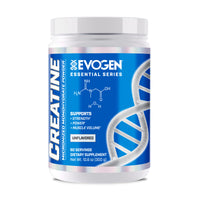
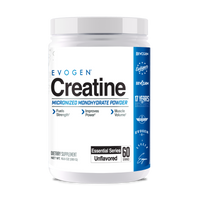
How Long Does Creatine Take To Work? What To Expect
Here's the TL;DR: - Creatine can begin producing noticeable effects within five to seven days with a loading phase or roughly three to four weeks without loading. - Early changes typically include ...

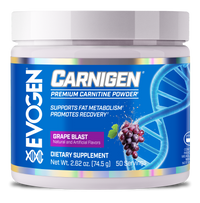
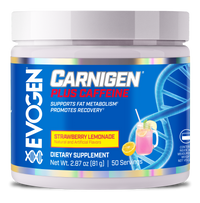
What Does L-Carnitine Do? How It Fuels Performance
Here's the TL;DR: - L-carnitine transports fatty acids into your cells to be used for energy. - It supports fat metabolism, endurance, and recovery when combined with consistent training. - Benefit...

How Long Does Pre-Workout Take To Kick In? Nailing the Timing
Here's the TL;DR: - Most pre-workout supplements kick in within 20 to 60 minutes. - Taking pre-workout about 30 minutes before training works best for most athletes. - Meal timing, hydration, caffe...
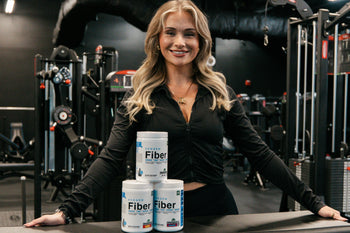
Best Fiber Supplement for Women: How To Choose
TL;DR: - The best fiber supplements for women combine soluble, insoluble, and prebiotic fibers. - Powder formulas typically provide more effective dosing and cleaner ingredient profiles than capsul...
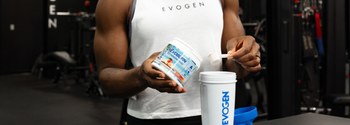
Should You Take Your Pre-Workout on an Empty Stomach?
Here's the TL;DR: - Taking pre-workout on an empty stomach is generally safe for healthy adults, but stimulant effects may feel stronger than when taken with food. - Fasted pre-workout isn't automa...