








Here's the TL;DR:
- Most active adults need 1.4–2.2 grams of protein per kilogram of body weight, depending on training goals.
- Prioritizing protein at every meal helps support muscle growth, recovery, satiety, and body composition.
- Keep high-protein staples such as chicken, eggs, Greek yogurt, tuna, and grab-and-go snacks readily available.
- Protein supplements such as Evogen IsoJect can help fill nutritional gaps.
- Support recovery with smart supplementation such as creatine, EAAs, and BCAAs.
Training hard but undereating protein is one of the fastest ways to slow your progress. You can crush your workouts, stay consistent in the gym, and still struggle with muscle growth, recovery, and body composition if your daily nutrition doesn’t support the work you’re putting in.
Increasing your protein intake doesn’t require eating plain chicken and rice at every meal or overhauling your entire diet overnight.
Prioritize protein at every meal, keep convenient high-protein foods on hand, and use protein supplements strategically when whole foods aren’t enough.
In this guide, we’ll cover practical strategies to help you increase your protein intake, recover harder, build lean muscle, and stay consistent with your nutrition goals.
How Protein Impacts Performance and Body Composition
Training breaks your body down. Protein helps build it back stronger. If you're putting in serious work in the gym but your daily protein intake is inconsistent, you're making progress harder than it needs to be.
Protein provides the essential amino acids your body needs to repair muscle tissue after training and support muscle protein synthesis, the process responsible for rebuilding muscle fibers after workouts.
Without enough protein, recovery can slow down, muscle soreness may linger longer, and building lean muscle becomes far more difficult.
Protein is also critical during fat-loss phases. When calories drop, higher protein intake can help preserve lean muscle mass while supporting satiety, which makes it easier to stay consistent with your nutrition plan.
How Much Protein Do You Need Per Day?
Your exact protein needs depend on your training intensity, body composition goals, and overall calorie intake, but most active people need far more than the standard recommended dietary allowance, which is 46 grams of protein per day for women and 56 for men.
General health recommendations sit around 0.8 grams per kilogram of body weight, but that number is designed to prevent deficiency, not optimize performance.
Active individuals often benefit from 1.4 to 2.0 grams per kilogram, while those focused on muscle growth or undergoing a cutting phase may need up to 2.2 grams per kilogram daily.
What Are the Best Ways To Increase Protein Intake?
Increasing your protein intake doesn’t require a complete diet overhaul; it requires better systems.
- Start by looking at your current eating habits and identifying where you're consistently falling short.
- Prioritize a quality protein source at every meal before adding carbs or fats.
- Meal prep staples, such as chicken, lean beef, turkey, eggs, or rice bowls, in advance so high-protein meals are always available when your schedule gets busy.
- Track your intake for a few days to see whether you're actually hitting your target.
- Keep convenient options nearby. Greek yogurt, jerky, protein shakes, tuna packets, and hard-boiled eggs can help fill gaps when full meals aren’t realistic.
- If you're training hard, plan your post-workout nutrition ahead of time so recovery never becomes an afterthought.
Easy Ways To Increase Protein Intake at Meals
Most people striving for a high-protein diet don’t need more complicated nutrition plans; they need better execution at mealtime. Build each meal around protein first, and then use snacks strategically to close any remaining gaps throughout the day.
Build a Higher-Protein Breakfast
Breakfast is where protein intake often falls apart. Cereal, pastries, and coffee-only mornings may be convenient, but they won’t do much for muscle recovery or appetite control later in the day.
Instead, try to get 25 to 40 grams of protein early. Eggs, egg whites, Greek yogurt, cottage cheese, and protein oatmeal can help you start strong.
If mornings are hectic, blend a smoothie with fruit, oats, and peanut butter powder or protein powder for a quick option that supports recovery and keeps you full longer.
Upgrade Lunch
Lunch should help you maintain momentum, not leave you scrambling for protein later. Build meals around chicken breast, lean ground turkey, tuna, lean red meat, or meal prep bowls that make portions easier to manage.
If your schedule makes meal prep difficult, meal delivery services such as Factor, Trifecta, and MealPro can provide convenient, higher-protein options built for active lifestyles.
Make Dinner More Protein-Focused
Dinner is often your largest meal, which makes it a great opportunity to increase protein intake without adding extra snacks or shakes.
Center your plate around lean proteins such as chicken, turkey, lean steak, salmon, shrimp, or white fish. Adding legumes such as lentils, black beans, or chickpeas can increase protein even further while providing fiber and additional nutrients.
Use Smart Snacks Between Meals
Snacks can either help you hit your goals or completely derail them. Keep smart options available, such as Greek yogurt, cottage cheese, hard-boiled eggs, jerky, almonds, or tuna packets.
Protein bars can also be useful when you’re traveling or stuck at work; just read labels carefully. Look for options with solid protein content and lower sugar, and treat them as convenience tools rather than your primary protein source.
Best High-Protein Foods To Keep on Hand
When your kitchen is stocked with high-protein staples, hitting your daily target is far easier, even on busy days when cooking from scratch isn’t realistic.
The goal is simple: keep versatile protein sources available so you’re never forced to rely on low-protein convenience foods when hunger hits.
Animal-Based Protein Sources
Animal proteins typically deliver complete protein sources with all nine essential amino acids your body needs for muscle repair and growth.
Chicken breast, lean ground beef, turkey, salmon, tuna, shrimp, and eggs are all reliable staples that can be used across multiple meals. Greek yogurt and cottage cheese offer convenient, high-protein options that require little prep.
Plant-Based Protein Sources
Plant-based athletes can absolutely hit high protein goals with proper planning. The key is keeping a variety of high-quality protein options available so meals stay balanced and intake stays consistent.
Tofu, tempeh, lentils, edamame, chickpeas, black beans, and other legumes can all help increase daily protein intake while adding fiber and micronutrients.
What Are the Best Protein Supplements To Increase Daily Intake?
Whole foods should always be your foundation, but supplements can make it much easier to hit your protein goal when life gets busy.
The right protein supplement depends on your digestion, schedule, training demands, and overall goals.
Whey Isolate for Fast, Convenient Protein
Whey isolate is one of the most effective options for athletes who need fast-digesting protein after training or throughout a busy day.
Evogen IsoJect delivers high-quality whey protein isolate designed to absorb quickly and support muscle recovery after intense workouts without adding unnecessary calories.
With 20 flavors, you're sure to find one you love, but don't just take our word for it. See what Elizabeth A., a recent satisfied customer, had to say about IsoJect:
"Perfect for your post-workout treat and a quick 25 grams of protein. I especially love the low calorie count, too! I travel for a living and put powder in a bag and transfer to a funnel in a water bottle. You can’t beat the taste either!"
Casein Protein for Slower Digestion
Casein digests more slowly than whey, which makes it a popular option before bed or during longer periods without food.
Because it releases amino acids gradually, many athletes use casein to help support overnight recovery and maintain a steady supply of protein while sleeping.
Blended Protein Options
Some protein supplements combine multiple protein sources to provide both fast and sustained amino acid delivery. These formulas are often used when athletes want more comprehensive nutritional support than whey isolate alone can provide.
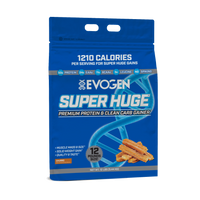
For athletes focused on adding size and increasing overall calorie intake, Evogen’s Super Huge Mass Gainer combines multiple protein sources, including whey and casein, with carbohydrates to support growth-focused nutrition plans.
The combination provides immediate amino acid availability from whey along with the slower digestion characteristics of casein.
Because it delivers significantly more calories than a traditional protein shake, Super Huge Mass Gainer is best suited for hard gainers, athletes in a mass-building phase, or anyone struggling to consume enough calories and protein through whole foods alone.
For those simply looking to increase daily protein intake while keeping calories lower, a standalone whey isolate may be the better fit.
Plant-Based Protein Options
Plant-based protein powders can help dairy-free athletes increase their intake without relying entirely on whole food sources.
Look for formulas with transparent labeling and minimal fillers that combine multiple protein sources, such as pea, rice, or pumpkin protein, to create a more complete amino acid profile.
Supplementation To Consider When Targeting Higher Protein Goals
Protein powder can help you hit your numbers, but serious athletes often look beyond basic shakes to further support recovery, performance, and muscle retention.
Essential amino acids (EAAs) provide the building blocks your body needs for muscle protein synthesis. They’re especially useful during training sessions or when full meals aren’t practical.
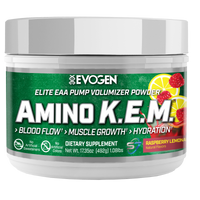
Amino K.E.M. by Evogen delivers EAAs that can help support recovery and hydration during demanding workouts.
Branched-chain amino acids (BCAAs), found in Evogen AminoJect, are often used to support endurance, reduce muscle breakdown, and keep recovery moving in the right direction.
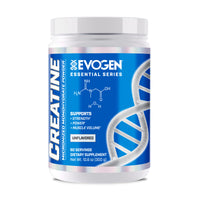
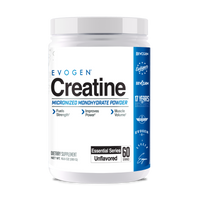
Creatine remains one of the most researched sports nutrition supplements available, helping support strength, power output, and muscle performance over time. Our Creatine Monohydrate offers a straightforward way to support long-term performance goals.
Our customers consistently give positive feedback after trying Evogen Creatine. For instance, Damon S. recently shared this:
"I'm enjoying the pump and boost I'm getting from this Creatine. It's making a difference, and I feel my strength returning. I'm already starting to see results since I've begun taking this product. My muscles are much happier, that's for sure."
Protein Strategies for Different Diets
Your protein strategy should match your lifestyle, preferences, and current goals. The key is adjusting your food choices and meal structure.
How To Increase Protein Intake for Vegetarians
Vegetarians can absolutely build muscle and hit high protein targets; it just takes more intentional planning.
Tofu, tempeh, edamame, lentils, beans, Greek yogurt, eggs, cottage cheese, and plant-based protein powders can all help create balanced meals with enough protein to support recovery.
Combine multiple plant-based sources throughout the day to round out your amino acid intake and keep meals more satisfying.
How To Increase Protein Intake for the Elderly
Protein becomes increasingly important with age because maintaining muscle mass supports mobility, strength, and overall quality of life.
Older adults may face appetite challenges, making large meals less appealing. Smaller, protein-focused meals built around eggs, fish, Greek yogurt, cottage cheese, and lean poultry can help.
Protein shakes may also be useful when appetite is low or when chewing larger meals is difficult.
How To Increase Protein Intake Without Extra Calories
When your goal is fat loss or body recomposition, focus on lean options such as chicken breast, white fish, shrimp, egg whites, fat-free Greek yogurt, and whey isolate to maximize protein intake while keeping calories under control.
Common Protein Mistakes That Can Hold You Back
Consistency builds results, but small nutrition mistakes can quietly slow progress. Avoid the following:
- Skipping protein at breakfast and trying to “catch up” later.
- Saving most of your protein for one meal instead of spreading it out.
- Underestimating portion sizes.
- Failing to meal prep protein-rich foods.
- Relying too heavily on bars and shakes over whole foods.
- Ignoring post-workout recovery nutrition.
Increase Your Protein Intake and Support Long-Term Results
Increasing your protein intake comes down to building repeatable habits that align with your goals and executing them consistently.
Prioritize protein at every meal, keep convenient options available, and use supplements strategically when your schedule gets hectic.
Elite results come from disciplined execution over time. This is the philosophy our founder, Hany Rambod, has depended on for years, and his results speak for themselves.
To support overall recovery and daily performance while boosting protein, consider adding Evogen Hydration to your stack to help replenish electrolytes, support hydration, and keep your body performing at a high level during intense training sessions.