













Here's the TL;DR:
- Muscle loss impacts performance, recovery, and metabolic efficiency, not just aesthetics.
- Strength decline and flatter muscle appearance are early, reliable warning signs.
- The scale alone is misleading; track performance and body composition trends.
- Muscle loss is driven by low protein intake, poor training stimulus, and aggressive dieting.
- Resistance training + consistent protein intake set the foundation for rebuilding.
- Strategic supplementation supports recovery, strength retention, and muscle preservation.
Muscle loss is a direct hit to your strength, metabolic rate, and ability to recover and perform. When lean mass starts slipping, everything from training output to body composition becomes harder to control.
If you're starting to see the signs, don't panic. You can reverse muscle loss by restoring progressive resistance training, increasing protein intake, and tightening recovery habits to shift your body back into an anabolic state.
You're not alone; muscle loss eventually affects everyone. In this guide, we’ll explain how to spot early warning signs, understand what’s happening internally, and take action with smarter training and dialed-in nutrition, focusing particularly on high-quality protein.
What Does Muscle Loss Actually Mean?
Muscle loss is a reduction in lean body mass, specifically muscle tissue, not temporary shifts in glycogen or water. You can look smaller from depleted glycogen, but true atrophy comes from muscle protein breakdown outpacing synthesis.
For performance athletes, that imbalance impacts strength, recovery, and metabolic efficiency.
Catching it early is essential because once you slip into a catabolic state, rebuilding takes significantly more time and precision than maintaining muscle in the first place.
Signs of Losing Muscle Mass
Muscle loss rarely happens overnight, but the signs are easy to spot if you know what to look for. Performance, appearance, and recovery all start to shift when your body drifts into a muscle-wasting state.
Strength Decline Without Explanation
If your lifts are dropping without a clear reason, i.e., no change in programming, sleep, or effort, that's a red flag. Losing reps, struggling with previously manageable weights, or failing to progress often signals that muscle tissue is being lost, not just temporary fatigue or CNS burnout.
Smaller, Flatter Muscle Appearance
Muscles that once looked full and dense may start to appear flat or deflated. While glycogen depletion can cause short-term changes, a consistent lack of fullness paired with performance decline points toward actual muscle loss rather than just carb or hydration fluctuations.
Increased Fatigue and Slower Recovery
When muscle mass decreases, recovery capacity drops with it. You may feel more fatigued between sessions, experience prolonged soreness, or struggle to maintain training intensity. This often reflects inadequate muscle repair and a shift toward a more catabolic internal environment.
Unintended Weight Loss With Performance Drops
Losing body weight isn’t always a win, especially when it comes with decreased strength and endurance. If the scale is moving down but your performance is taking a hit, there’s a strong chance you’re losing muscle instead of preserving lean tissue.
Changes in Body Composition and Muscle Definition
Even if your weight stays stable, a softer look or reduced muscle definition can signal a shift in body composition. Less lean mass and higher relative body fat are often physically visible before they’re reflected in performance metrics or measurements.
How Do I Know if My Weight Loss Is Mostly Muscle or Mostly Fat?
The fastest way to tell whether you're dealing with a loss of muscle mass or fat is by looking at performance alongside appearance, not just the scale.
If strength is holding steady or improving while body weight drops, you’re likely losing fat, but if lifts are declining and muscles look smaller or flatter, muscle loss is occurring.
The scale alone can’t distinguish between fat, water, and lean tissue. That’s why tracking performance metrics, visual changes, and body composition trends gives you a much clearer picture of what’s actually happening.
What Causes Muscle Loss?
Muscle loss is almost always the result of imbalance, either from nutrition, training, or recovery. Aggressive calorie deficits without proper planning can push the body into a catabolic state, especially when protein intake is too low.
Without consistent resistance and strength training, there’s no stimulus to preserve muscle tissue. Excessive cardio, poor sleep, and unmanaged stress only accelerate breakdown.
Hormonal shifts, including drops in testosterone or elevated cortisol, can also be a factor. Left unchecked, these factors compound quickly and start chipping away at lean mass.
Sarcopenia: Age-Related Muscle Loss
Sarcopenia is the gradual loss of muscle mass and strength that occurs with aging, often beginning as early as your 30s. Without resistance and strength training and adequate protein consumption, this decline accelerates over time.
In addition to impacting performance, it also increases the risk of falls and fractures, so prevention is critical. Staying proactive with training, nutrition, and muscle recovery is key to maintaining strength and preserving lean muscle as you age.
What’s Happening at the Biological Level?
At its core, muscle loss comes down to muscle protein synthesis versus breakdown. When breakdown outpaces synthesis, you shift into a catabolic state.
Essential amino acids, especially leucine, help trigger mTOR signaling, which drives muscle growth when paired with resistance training.
However, in a calorie deficit, hormonal shifts such as lower testosterone, higher cortisol, and reduced insulin activity can blunt that response. Without the right stimulus and nutrient support, your body prioritizes survival over the preservation of lean muscle.
How To Accurately Track Changes in Muscle Mass
If you’re serious about performance, you need more than guesswork. Tracking muscle mass accurately means combining objective data with real-world performance markers to see what’s actually changing over time.
Why the Scale Alone Falls Short
The scale only tells you total body weight; it doesn’t differentiate between fat, muscle, glycogen, or water. Daily fluctuations can mask real progress or hide muscle loss.
Relying on weight alone often leads to misinformed decisions that can compromise performance and body composition.
Reliable Methods for Measuring Body Composition
More advanced tools, such as DEXA (dual-energy x-ray absorptiometry) scans, provide a detailed breakdown of lean mass, fat mass, and bone density, making them the gold standard for accuracy.
Bioelectrical impedance analysis (BIA) devices are more accessible and still useful for tracking trends. Skinfold calipers can also work when used consistently and correctly.
At-Home Tools for Consistent Tracking
Smart body composition scales from respected brands such as Withings and RENPHO use BIA technology to estimate body fat and lean mass, offering a practical way to monitor trends over time.
They’re not perfect, but when used consistently under the same conditions, they provide valuable insight into changes in body composition.
How To Stop Muscle Loss and Rebuild
Reversing muscle loss starts with restoring the balance between training stimulus and recovery.
- Dial in protein intake to consistently support muscle protein synthesis.
- Prioritize progressive resistance and strength training to give your body a reason to hold onto lean mass.
- Avoid overly aggressive calorie deficits. Fat loss should never come at the expense of performance.
- Recovery is just as critical, so optimize sleep, hydration, and stress management.
- Layer in nutrient timing around training to maximize uptake and keep your body in a more anabolic, muscle-preserving state.
What Are the Best Supplements To Recover Muscle Mass?
Training and nutrition set the foundation, but supplementation helps close the gap when precision matters.
The best supplements to combat the loss of muscle mass are those that directly support recovery, muscle protein synthesis, and strength retention under stress. Evogen's IsoJect checks all the boxes.
Protein Supplementation as the Foundation
Fast-digesting protein is critical for preserving and rebuilding muscle, especially around training. Evogen's IsoJect Whey Protein Isolate delivers high-purity protein with rapid absorption to support muscle protein synthesis and recovery.
We know that IsoJect is worth every penny, but you don't have to take our word for it. See what Christi D., a highly satisfied IsoJect user, had to say:
"Not only is this a superior protein to others, but also it tastes the absolute best."
Hitting your daily protein target consistently is non-negotiable, particularly during cutting or recomposition phases.
Spreading protein intake across multiple meals throughout the day can help support muscle protein synthesis and provide a more consistent supply of amino acids.
Many athletes also prioritize a protein-rich meal or shake before longer periods without food, such as overnight, to support recovery and muscle maintenance.
Choosing a High-Quality Protein Powder
When selecting a protein powder, look for a high-quality source, either whey isolate for fast absorption or blends for sustained release, with a complete amino acid profile rich in leucine.
Digestibility and bioavailability matter, especially when your goal is to preserve muscle. Lower-quality proteins can limit recovery and compromise results.
Additional Supplements That Support Muscle Strength and Retention
Beyond protein, targeted supplementation helps reinforce recovery, performance, and muscle preservation when training stress is high.
- Evogen's Amino K.E.M. delivers a full spectrum of EAAs to support muscle protein synthesis and limit breakdown during intense sessions or calorie deficits.
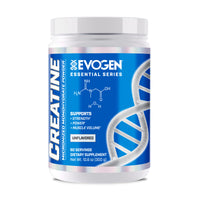
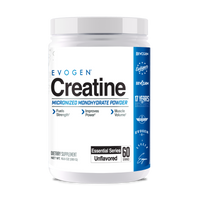
- Creatine is essential for maintaining strength, power output, and training volume, which are critical factors in holding onto lean mass.
- Glutamine supports recovery, hydration, and immune resilience, especially under heavy workloads.
- Adding omega-3 fatty acids can further enhance recovery by helping regulate inflammation and support overall muscle function.
Common Mistakes That Accelerate Muscle Loss
Muscle loss doesn’t just happen. It’s usually the result of small, compounding mistakes in nutrition, training, and recovery. When these stack up, they quickly push your body into a muscle-wasting state.
Avoid the following common missteps:
- Skipping protein earlier in the day and trying to “catch up” later, thus limiting consistent muscle protein synthesis.
- Running overly aggressive calorie deficits that sacrifice lean body mass for faster scale weight drops.
- Prioritizing excessive cardio while neglecting progressive resistance training.
- Being inconsistent with supplementation that supports recovery and performance.
- Ignoring sleep, hydration, and stress, which are key drivers of recovery and hormonal balance.
How To Maintain Lean Muscle During Fat Loss
Holding onto lean muscle during a cut requires structure and consistency.
- Keep resistance and strength training heavy and progressive to maintain a strong stimulus.
- Distribute protein consumption evenly across meals to support muscle protein synthesis throughout the day.
- Track performance closely; your strength is your anchor. If lifts start dropping, adjustments are needed.
- Strategic refeeds can help restore glycogen, support training output, and keep your metabolism and hormonal environment working in your favor.
Build, Protect, and Perform With Precision
Muscle loss is a signal. When you understand how your body responds to training, nutrition, and recovery, you can correct course before performance takes a hit. That’s the difference between reacting and staying in control.
As Hany Rambod often reminds us, progress comes from precision. Dial in your training, fuel your body with intent, and use supplementation as a tool, not a crutch.
Stay consistent, stay accountable, and you’ll not only protect your muscle; you’ll continue building it.
If you’re serious about protecting muscle and optimizing recovery, adding high-quality omega-3s can make a measurable difference. Evogen's Omega Fish Oil supports joint health, helps manage inflammation, and keeps you training at a high level.