







Here's the TL;DR:
- Creatine helps regenerate ATP, allowing muscles to produce energy more efficiently during high-intensity exercise.
- Consistent creatine supplementation can improve strength, power output, training volume, and muscle growth.
- A loading phase can accelerate results, while standard daily dosing reaches full effectiveness over several weeks.
- Creatine monohydrate remains the preferred form due to its effectiveness, reliability, and value.
- Strategic stacks with protein, beta-alanine, citrulline, glutamine, and electrolytes can further enhance performance and recovery.
Few supplements have earned the trust of athletes, bodybuilders, and researchers quite like creatine, but despite decades of use and countless success stories, many people still wonder exactly how it works and why it remains a staple in performance nutrition.
How does creatine monohydrate work? Creatine increases phosphocreatine stores in muscle, helping regenerate ATP faster so you can produce more power, perform more work, and recover more efficiently between efforts.
Whether your goal is building muscle, improving strength, or maximizing recovery, understanding the science behind creatine can help you get more from every workout.
In the following guide, we'll explain what creatine does, how long it takes to work, what's considered the best creatine supplement, and how to use it for maximum results.
How Does Creatine Work To Build Muscle?
Creatine is a naturally occurring compound stored primarily in skeletal muscle, where it helps produce adenosine triphosphate (ATP), the body's immediate energy source for high-intensity activity.
During heavy sets, explosive movements, and repeated bouts of training, ATP is depleted rapidly.
Creatine increases intramuscular phosphocreatine stores, allowing ATP to be regenerated more quickly and helping maintain force output when fatigue would normally set in.
The result is improved training volume, greater strength retention across multiple sets, and the ability to perform more high-quality work over time.
Creatine also draws water into muscle cells, a process known as cell volumization, which creates a more anabolic environment that supports muscle protein synthesis and growth.
Between efforts, enhanced phosphocreatine availability helps accelerate energy recovery, allowing athletes to train harder, recover faster during workouts, and accumulate the stimulus required for long-term muscle development.
Beyond Muscle Growth: Other Creatine Benefits
The brain relies heavily on ATP, and research suggests creatine supplementation may support cognitive performance, mental fatigue resistance, memory, and overall brain health, particularly during periods of stress, sleep deprivation, or intense training.
It may also help preserve lean mass and strength in older adults, making it a valuable tool for combating age-related muscle loss, or sarcopenia.
Emerging evidence suggests that creatine may support bone health when combined with resistance training and could positively influence anabolic pathways involved in muscle growth and recovery.
Vegetarians and vegans often experience particularly noticeable benefits because their baseline creatine stores tend to be lower.
How Long Does It Take for Creatine To Start Working?
How quickly creatine works depends largely on whether you use a loading phase or a standard daily dosing approach.
A loading phase typically involves taking 20 grams per day, divided into four servings, for 5–7 days before transitioning to a maintenance dose of 3–5 grams daily.
This rapidly saturates muscle creatine stores, allowing many athletes to notice improvements in training performance, muscular endurance, and workout quality within the first week.
Without loading, taking 3–5 grams daily will gradually increase muscle creatine levels over time. Most people reach full saturation in approximately 3–4 weeks, with performance benefits becoming more noticeable as stores accumulate.
Regardless of the approach, understand that creatine is not a stimulant. People who take creatine supplements should expect gradual improvements in strength, training volume, recovery, and long-term muscle-building potential rather than an immediate surge in energy.
What Is the Difference Between Creatine Monohydrate and Other Forms of Creatine?
Not all creatine supplements are equal in terms of formulation and benefits provided.
While manufacturers continue introducing new forms that promise better absorption or fewer side effects, creatine monohydrate remains the benchmark against which every other form is measured.
|
Creatine Form |
What It Is |
Main Benefits |
Evidence Support |
|
Creatine Monohydrate |
Creatine bound to one water molecule |
Strength, power, muscle growth, recovery, affordability |
Extensive |
|
Micronized Creatine |
Monohydrate processed into smaller particles |
Improved mixability and digestion comfort |
Extensive |
|
Creatine HCl |
Creatine bound to hydrochloric acid |
High solubility, smaller serving size |
Moderate |
|
Buffered Creatine (Kre-Alkalyn) |
pH-adjusted creatine |
Marketed for stability and reduced breakdown |
Limited |
|
Creatine Nitrate |
Creatine bound to nitrate molecules |
May support pumps and blood flow |
Limited |
|
Creatine Magnesium Chelate |
Creatine bound to magnesium |
May support muscle function and energy production |
Limited |
|
Creatine Ethyl Ester (CEE) |
Creatine attached to an ester group |
Marketed for enhanced absorption |
Lacking |
Why Creatine Monohydrate Remains the Gold Standard
Creatine monohydrate consists of a creatine molecule attached to a single water molecule, creating a stable, effective, and highly trusted form of supplementation.
It sets the standard for effectiveness because it consistently delivers the benefits athletes seek most, including increased strength, improved training volume, greater power output, enhanced recovery, and long-term muscle growth.
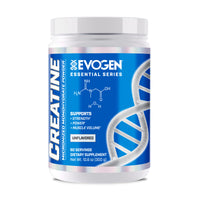
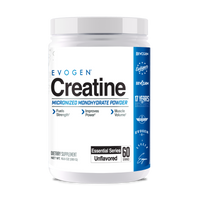
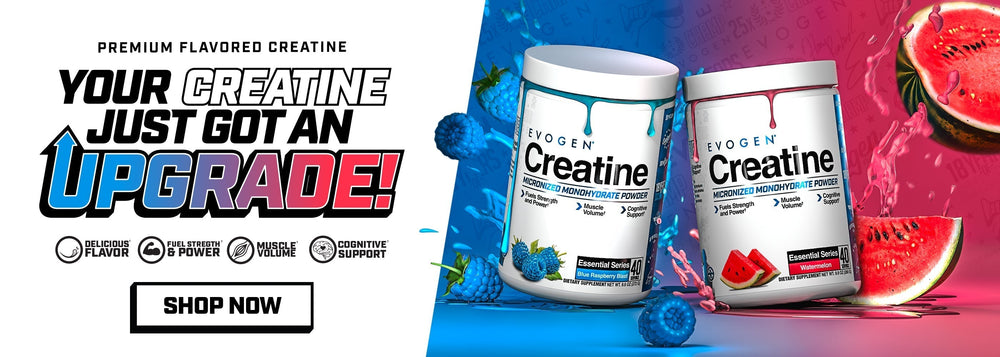
For athletes focused on proven performance, Evogen's Creatine Monohydrate is an excellent option, providing pure, high-quality creatine with no unnecessary fillers or proprietary blends to complicate dosing.
Users of our micronized Creatine Monohydrate consistently rate it highly. For example, Erin, a verified Evogen customer, recently shared:
"This is my go to... it blends so nicely. No grit or grind... I get that in my workout, not my creatine. Love Love Love"
Micronized Creatine
Micronized creatine is simply creatine monohydrate that's been processed into smaller particles. The primary advantage is improved mixability, which allows it to dissolve more easily in liquids and reduces the gritty texture some users dislike.
Since the active ingredient remains the same, the performance benefits are essentially identical to those of standard creatine monohydrate.
Creatine Hydrochloride (HCl)
Creatine HCl combines creatine with hydrochloric acid to improve water solubility. Because it dissolves easily, it's often taken in smaller servings and may be easier on digestion for some users.
However, in terms of muscle-building and performance, the benefits may not be as pronounced as with creatine monohydrate.
Buffered Creatine (Kre-Alkalyn)
Buffered creatine is formulated with a higher pH and is marketed as a more stable form of creatine. Some manufacturers claim it requires lower doses and causes less water retention.
While it can still increase creatine intake, most athletes don't notice significantly different results compared to traditional creatine monohydrate.
Creatine Nitrate
Creatine nitrate combines creatine with nitrate compounds, which may help support blood flow and enhance muscle pumps during training. Athletes who prioritize workout performance and vascularity may find it appealing.
However, its overall impact on strength, muscle growth, and long-term performance is less established than creatine monohydrate.
Creatine Magnesium Chelate
This form binds creatine to magnesium, a mineral involved in muscle contraction and energy production. The combination is designed to support ATP production and muscular performance.
While it may offer unique benefits for some, it hasn't become a widely preferred alternative to creatine monohydrate.
Creatine Ethyl Ester (CEE)
Creatine ethyl ester was developed to improve creatine absorption by attaching an ester molecule to the creatine compound.
Although the concept sounds promising, many athletes find that it doesn't provide the same level of strength, muscle-building, or performance benefits associated with creatine monohydrate. It's also typically more expensive than standard creatine options.
Natural Sources of Creatine and When Creatine Supplements Make Sense
Your body naturally produces approximately half of its daily creatine supply in the liver, kidneys, and pancreas using amino acids such as glycine, arginine, and methionine. The remaining creatine comes from dietary sources, primarily seafood and red meat.
Foods such as beef, salmon, herring, and tuna contain significant amounts, but reaching the 3–5 grams commonly used in supplementation protocols would require consuming large quantities daily.
For most athletes, supplementation provides a more practical, consistent, and efficient way to maximize muscle creatine stores and support performance goals.
Who Benefits Most From Creatine Supplementation?
Creatine can benefit nearly anyone looking to improve physical performance, but it's particularly valuable for strength athletes, bodybuilders, power athletes, and endurance competitors performing repeated high-intensity efforts.
Additionally:
- Older adults may use creatine to help maintain muscle mass, strength, and functional capacity as they age.
- Vegetarians and vegans often experience noticeable benefits because their baseline creatine stores tend to be lower.
Anyone with pre-existing kidney disease or other medical conditions should consult a qualified healthcare professional before supplementing.
Possible Side Effects of Creatine
Creatine is generally well-tolerated when used as directed, but some people may experience temporary water retention, mild bloating, stomach discomfort, or digestive upset, particularly during a loading phase.
Staying properly hydrated and dividing larger doses throughout the day can help minimize these effects.
When Is the Best Time To Take Creatine?
The best time to take creatine is whatever time you can take it consistently. Daily saturation of muscle creatine stores drives results far more than precise timing.
That said, many athletes prefer taking creatine before or after training alongside protein and carbohydrates, which can support nutrient delivery and make supplementation easier to remember. On non-training days, simply take your daily dose with a meal.
Taking creatine with food is generally recommended to prevent stomach upset, but some users prefer to put creatine in coffee to pair the mental focus of caffeine with the power-boosting benefits of creatine.
Creatine Stacking Strategies for Maximum Performance
Creatine is powerful on its own, but strategic supplement combinations can help address multiple aspects of performance simultaneously.
Whether your goal is building muscle, improving recovery, increasing training volume, or enhancing hydration, stacking creatine with complementary ingredients can help maximize results.
For Muscle Growth
Pairing creatine with whey protein creates one of the most effective muscle-building combinations available. Creatine helps increase training performance and workload, while whey protein provides the amino acids needed to repair and build new muscle tissue.
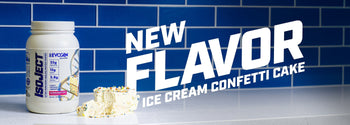
A high-quality whey isolate such as IsoJect is an excellent addition for athletes looking to optimize recovery and muscle protein synthesis after demanding workouts.
With plenty of flavors available, you're sure to find one you love. Here's what Brandon D. shared after trying IsoJect:
"This is the first time trying this protein, and I’m never going to buy any other brand again. I highly recommend this. Taste amazing"
For Recovery
Creatine and L-glutamine complement each other well during periods of intense training.
While creatine helps replenish cellular energy stores, a high-quality glutamine supplement supports recovery, immune function, and overall resilience during high training volumes.
For High-Volume Training
When training sessions demand repeated high-intensity efforts, combining creatine with beta-alanine can be particularly effective.
Creatine supports ATP regeneration, while beta-alanine helps buffer acid accumulation within working muscles, potentially delaying fatigue.
For Pumps and Performance
Creatine paired with L-citrulline creates a powerful combination for athletes seeking both performance and workout quality.
While creatine supports strength and power output, citrulline helps increase nitric oxide production, promoting blood flow, nutrient delivery, and muscle pumps.
For Hydration and Cellular Performance
Creatine naturally increases intracellular water retention within muscle tissue, making hydration especially important.
Combining creatine with a quality electrolyte supplement, such as Evogen's Hydration, can help support fluid balance, muscle function, and performance during hard training sessions.
For Faster Glycogen Replenishment
Combining creatine with simple carbohydrates can be beneficial after intense training sessions. Carbohydrates help replenish depleted glycogen stores, while the resulting insulin response supports creatine uptake into muscle cells. A fast-digesting glycogen supplement like GlycoJect makes this pairing easy to execute right after training.
This pairing can be particularly valuable for athletes training multiple times per day or performing high-volume programs that place significant demands on recovery.
What Happens When You Stop Taking Creatine?
Stopping creatine does not cause muscle loss, hormonal crashes, or withdrawal symptoms. Over several weeks, muscle creatine stores gradually return to baseline levels, and any water retained within muscle cells may decrease.
As a result, some athletes notice slightly reduced training performance, muscle fullness, or recovery capacity. However, any actual muscle gained through consistent training and proper nutrition remains, provided those habits stay in place.
Creatine: The Foundation of Better Strength, Recovery, and Growth
The athletes who make the greatest long-term progress are rarely the ones chasing shortcuts. They're the ones who consistently execute the fundamentals that compound over time.
Creatine has earned its place among those fundamentals because it helps support the training quality, recovery capacity, and performance output that drive results year after year.
That philosophy aligns closely with the approach championed by Evogen founder and The Pro Creator, Hany Rambod: master the basics, train with intent, and give your body the tools it needs to perform at its highest level.
When combined with intelligent programming, proper nutrition, and relentless consistency, creatine is one of the simplest and most effective investments you can make in your performance.
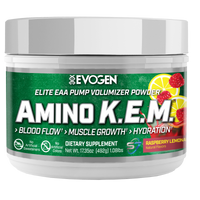
Looking to take your recovery and muscle-building results even further? Amino K.E.M. combines essential amino acids with key recovery-support ingredients to help support muscle protein synthesis, training performance, and recovery between workouts.