









Here's the TL;DR
- Whole foods should lead your fiber strategy. Oats, legumes, fruits, vegetables, nuts, and seeds deliver fiber along with nutrients that support energy, recovery, and overall health.
- Spread your fiber intake across the day. Adding fiber to multiple meals helps maintain stable energy levels and prevents digestive discomfort from large single servings.
- Most adults need 25 to 38 grams of fiber daily. Women typically need roughly 25 grams per day, while men often require closer to 38 grams depending on calorie intake and activity level.
- Hydration supports fiber digestion. Drinking enough water helps fiber move smoothly through the digestive tract and supports healthy gut function.
Fiber rarely gets the spotlight in performance nutrition, even though it quietly supports many of the systems that athletes (and the rest of us) depend on every day.
Fiber can help regulate blood sugar, support heart health, feed beneficial gut bacteria, assist with weight management, and promote lasting satiety.
For lifters and performance athletes, consistent fiber intake can also help stabilize energy levels, support digestive processes, and help the body make better use of the nutrients you’re taking in.
How do you increase your fiber intake? Focus on whole foods. Choose oats and whole grains instead of refined carbs, add fruits and vegetables to every meal, and include legumes, nuts, and seeds daily. Spread your fiber intake across meals, and stay well hydrated so your digestion adapts smoothly while your nutrition plan continues to support training, recovery, and overall health and wellness.
How To Increase Fiber Intake Naturally: Which Foods To Choose
Increasing fiber intake starts with choosing whole, nutrient-dense foods that naturally deliver both soluble and insoluble fiber.
For athletes and bodybuilders, these foods also supply slow-digesting carbohydrates, micronutrients, and gut-supporting compounds that help fuel performance and recovery.
Whole Grains and Oats
Whole grains are one of the most reliable ways to increase fiber while also getting in sustained energy for training and demanding workouts. Foods like oats, quinoa, brown rice, and whole wheat products retain the bran and germ, where most of the fiber lives.
A single cup of cooked oats delivers about 4 grams of fiber, while quinoa provides roughly 5 grams per cup.
Swapping refined grains for whole grain options, such as choosing oatmeal for breakfast, brown rice with meals, and whole grain or whole wheat bread over white bread, can steadily increase the amount of fiber consumed while helping lifters and athletes maintain stable energy levels for longer training sessions.
Fruits and Vegetables
Fruits and vegetables supply a powerful combination of fiber, antioxidants, and hydration that supports digestive health and overall performance, and they can easily be incorporated into meals and snacks.
Fiber-rich options include raspberries (about 8 grams per cup), pears with skin (5–6 grams each), broccoli (about 5 grams per cup), and sweet potatoes (roughly 4 grams per medium potato).
For athletes and lifters focused on muscle recovery, these foods also provide key vitamins and phytonutrients that help manage oxidative stress from intense training.
The easiest strategy is simple: add a serving of produce to every meal—blend berries into a smoothie, snack on apples, or load your plate with roasted vegetables.
Legumes, Nuts, and Seeds
Legumes, nuts, and seeds are some of the most concentrated natural sources of fiber, and they also provide plant-based protein and healthy fats that support performance nutrition.
Lentils deliver about 15 grams of fiber per cooked cup, black beans provide around 15 grams, and chia seeds offer about 10 grams in just two tablespoons. Almonds add roughly 3–4 grams per ounce.
These foods fit easily into performance-focused meal prep: add beans to rice bowls or post-workout meals, mix chia seeds into yogurt or protein shakes, or keep a handful of nuts on hand as a convenient high-fiber snack between training sessions.
How Much Fiber Do I Need Each Day?
Most of us are aware that fiber supports digestion, blood sugar stability, nutrient absorption, and long-lasting energy.
However, you may not know that daily dietary fiber targets differ for men and women. This is because of differences in body size, calorie intake, and metabolic demand.
In general, people who consume more calories to support training also require more fiber to maintain digestive balance and metabolic health.
Daily Fiber Intake for Men
Most nutrition guidelines recommend about 28–34 grams of fiber per day for men under 50, with slightly lower targets after that age.
For athletes or lifters eating higher-calorie diets, reaching this level often happens naturally when meals include oats, vegetables, legumes, and whole grains. The key is spreading fiber throughout the day rather than trying to load it all into one meal.
Daily Fiber Intake for Women
For women under 50, the general recommendation is around 25–28 grams of fiber per day. Because total calorie intake is typically lower than for men, hitting this target requires intentional food choices.
Prioritizing fiber-dense options such as berries, chia seeds, lentils, and vegetables at each meal helps maintain digestive health while supporting steady energy levels for training and recovery.
Do Fiber Supplements Count Toward Daily Goals When Increasing Fiber Intake?
Yes! Fiber supplements absolutely count toward your daily fiber intake, especially when whole foods alone aren't enough to hit your target.
For athletes, weightlifters, or anyone eating high-protein performance diets, supplements can make fiber intake far more consistent.
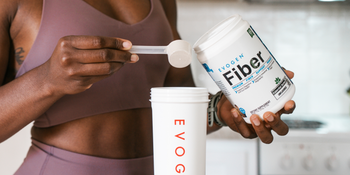
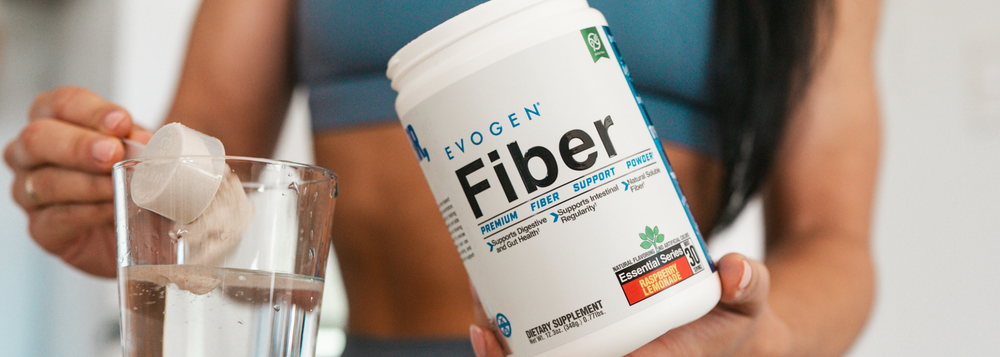
Evogen's Fiber Support Powder provides convenient soluble fiber sources, like psyllium husk, inulin, and soluble corn fiber, that support digestion, gut bacteria, and nutrient absorption and mix easily into shakes or water.
Used alongside whole foods, fiber supplements can help close the gap and keep your gut working as efficiently as the rest of your training routine.
James C., a verified buyer of our fiber supplements, recently shared:
"I was using Metamucil for the psyllium husk to naturally help my high cholesterol. I still wasn’t feeling the greatest. Once I started using your product, I feel so much better. I noticed a difference right away. Thank God for Evogen and your amazing supplements."
Soluble vs. Insoluble Fiber
Soluble and insoluble fiber behave differently in the digestive system. Soluble fiber is found in foods such as oats, beans, peas, apples, and psyllium.
This type of fiber dissolves in water, forming a gel that can slow digestion and support steadier blood sugar levels and healthy blood cholesterol levels.
Insoluble fiber is found in whole grains, vegetables, nuts, and seeds. This type of fiber doesn't dissolve in water. Instead, it adds bulk to stool and helps food move through the digestive tract more efficiently.
How To Add Fiber to Every Meal
Consistency is best when it comes to adding different types of fiber to your daily diet. Spreading fiber across meals keeps digestion comfortable and helps maintain steady energy for training, workouts, and recovery.
Start mornings with a strong foundation. Oatmeal topped with berries, banana slices, and a tablespoon of chia seeds can deliver 10 or more grams of fiber before the day begins.
Whole-grain toast with avocado adds another 6 to 8 grams while providing slow-burning carbohydrates for sustained energy.
Lunch and dinner offer easy upgrade opportunities. Swap white rice for brown rice or quinoa, choose whole-grain pasta, and build meals around vegetables.
Filling half your plate with produce before adding protein and carbs is an easy way to increase fiber without much effort. For dessert, skip the cookies and have some fresh or dried fruit instead.
Legumes are another high-impact addition. Toss chickpeas into salads, add black beans to tacos or bowls, or blend white beans into soups. Just a half cup can contribute 7 to 8 grams of fiber.
For anyone looking for fresh ideas, the Academy of Nutrition and Dietetics has a variety of easy and delicious recipes featuring high-fiber foods.
Daily support can come from Evogen’s Evogreens, a comprehensive greens formula with probiotics, antioxidants, and plant nutrients that help support digestion and gut health.
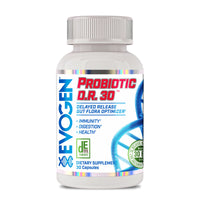
Stacking it with Evogen’s Probiotic DR30 provides additional probiotic strains designed to support microbial balance and digestive efficiency.
Fiber supplements work best as insurance. Whole foods should lead the plan, while supplements help close the gap on busy days.
How To Prevent Digestive Discomfort as You Add More Fiber
Adding too much fiber too quickly can overwhelm your digestive system, even for athletes with disciplined nutrition habits. The key is slow progression. Add 3 to 5 grams of fiber per day over a couple of weeks rather than doubling your intake overnight.
Spreading fiber across meals instead of loading it into one sitting supports gut comfort while keeping digestion consistent through demanding training schedules.
Hydration is equally important because fiber pulls water into the digestive tract to keep things moving.
Many athletes support this process with Evogen’s Hydration supplement, a full-spectrum electrolyte formula that helps maintain proper fluid balance and absorption.
Serious bodybuilders often choose our EVP AQ Liquid Glycerol for quick hydration that fuels pumps and increases endurance.
The need for hydration can't be overstated. Increasing dietary fiber intake can lead to discomfort, bloating, gas, constipation, and diarrhea if you're not drinking enough water throughout the day.
When Increasing Fiber Intake Is Not Recommended
Adding more fiber isn’t always the right move. Athletes dealing with acute digestive distress, intestinal inflammation, or certain gastrointestinal conditions may need to temporarily limit fiber while symptoms settle.
High fiber intake can also be problematic immediately before intense training or competition, when slower digestion may cause discomfort. In these situations, performance nutrition shifts toward easier-to-digest foods until the gut is ready to handle higher fiber intake again.
Make Fiber a Daily Part of Your Nutrition Plan
Learning how to increase fiber intake is about building daily habits that support digestion, energy stability, and long-term health. For athletes and lifters, the goal is simple: fuel the gut the same way you fuel performance.
Whole foods, consistent hydration, and strategic supplementation create the foundation. This philosophy reflects the approach championed by Hany Rambod, who built Evogen around precision nutrition that supports results inside and outside the gym.
When fiber becomes a consistent part of your routine, your body performs better from the inside out.
Looking for a convenient way to support digestion and daily fiber goals? Add Evogen's Premium Fiber Support Powder to your routine for an easy, performance-focused way to help keep your nutrition plan and gut health on track.