







Here's the TL;DR:
- Creatine can begin producing noticeable effects within five to seven days with a loading phase or roughly three to four weeks without loading.
- Early changes typically include fuller muscles and increased water weight.
- Measurable strength and performance improvements develop with continued use.
- Creatine helps regenerate ATP during high-intensity exercise, allowing you to push harder, maintain rep quality, and accumulate more productive training volume.
- Taking 3 to 5 grams of creatine each day keeps muscle creatine stores elevated after saturation.
- Your response can vary based on baseline creatine levels, body composition, diet, training, hydration, age, and supplement quality.
You could be leaving reps, strength, and progress on the table without even realizing it. Creatine is one of the most proven performance supplements available, but knowing how long it takes to work can help you set realistic expectations and stay consistent.
So, how long does creatine take to work? With a loading phase, you can reach near-full muscle creatine saturation in about five to seven days. Without loading, expect roughly three to four weeks of daily supplementation before reaching full saturation.
Ready to see real progress in the gym? Start taking high-purity creatine today, stay on your plan, and hold yourself to your personal best. Don't just finish your workouts. Annihilate them!
How Creatine Works To Fuel Muscles
Creatine is a compound your body already produces and stores in muscle tissue, used to rapidly regenerate ATP, the primary energy currency your muscles burn during high-intensity effort.
When your creatine stores are fully saturated, you have a bigger energy reserve and more fuel available for those critical final reps, sprint finishes, and heavy compound lifts.
The supplemental form so popular in sports nutrition raises your intramuscular creatine phosphate levels beyond what diet alone can achieve.
That increased phosphocreatine pool means your muscles recover faster between sets and can generate more force per contraction.
You might find that you lift heavier, push harder, have bursts of energy during intense sets, and accumulate more training volume over time when you take creatine daily.
How Long Does It Take for Creatine To Work?
How fast does creatine work? It depends almost entirely on how you approach supplementation from day one.
Load aggressively, and you'll saturate your muscles in under a week. Go the slow-and-steady route, and you're looking at closer to a month.
Neither approach is wrong, and the endpoint is the same, but knowing what to expect week by week keeps you from second-guessing your protocol.
Week 1: Creatine Loading Phase
A loading phase isn't necessary for creatine to work, but loading helps you see results faster. If you choose to load with 20 grams per day split into four 5-gram doses, your muscles will reach near-full creatine saturation within five to seven days.
By the third or fourth day, most people notice their muscles look noticeably fuller and feel tighter. That's intramuscular water retention doing its job, pulling water into your muscle cells alongside creatine.
Performance changes start showing up after five or seven days. You might grind out one or two extra reps or hit a weight you've been stalling on. This is because your phosphocreatine stores are legitimately higher and your muscles are responding.
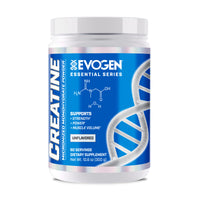
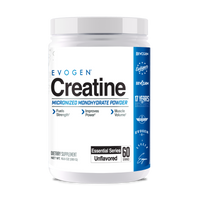
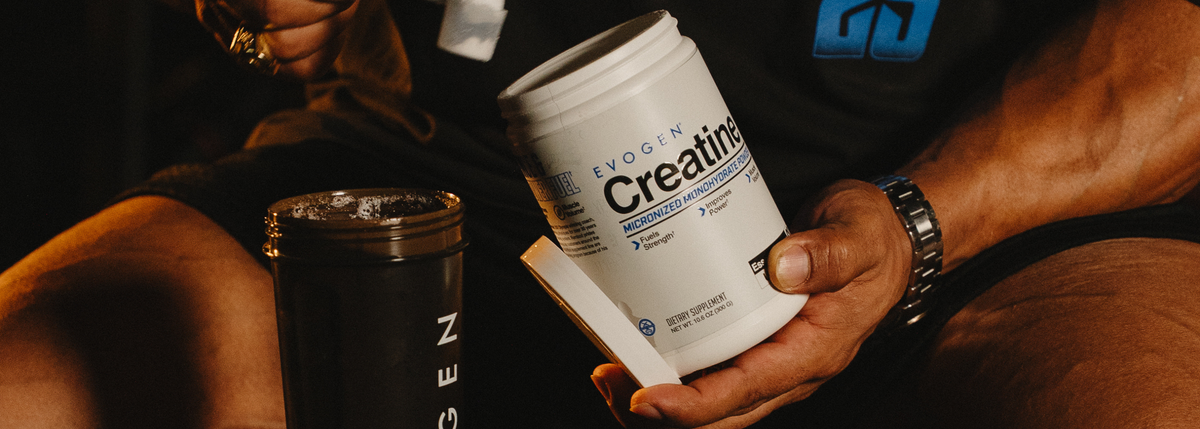
Evogen's Creatine Monohydrate Powder is well suited for this loading phase because of its fine particle size and clean ingredient profile, which support better absorption and less GI discomfort.
Week 2: Consolidation Phase
At the beginning of week two, you drop to a maintenance dose of 3–5 grams per day. Your muscles are already saturated, so this smaller daily dose keeps stores topped off without excess.
This is where the real performance gains start to solidify. The water retention from week one levels out, and you'll notice strength improvements feel more consistent rather than sporadic.
If you skipped loading and started at 3–5 grams from day one, you're likely still building toward saturation during week two, and you're roughly halfway there at this point.
Either way, this phase is about discipline. If you miss doses, you slow the process down. If you take creatine each day consistently, your body locks in those elevated creatine levels for the long haul.
Weeks 3 to 4: Maintenance
For athletes who loaded, weeks 3 and 4 are where the performance gains become undeniable. Strength increases are measurable, muscle fullness is stable, and your rep quality in training is noticeably sharper.
For those who skipped the loading phase, this is typically when creatine starts working at full capacity. Your muscles are now saturated, and you'll begin experiencing the same performance benefits of creatine, just on a delayed schedule.
By the end of week four, most people have a clear picture of how their body responds. Stick with your maintenance dose, keep your training progressive, and the gains compound over time.
How Long Does Creatine Take To Work for Muscle Gain and Strength Improvements?
These two outcomes don't happen on the same timeline. Many people notice small changes in strength first.
Because creatine directly enhances ATP regeneration, you can expect to feel stronger in your working sets within one to two weeks of loading, sometimes sooner.
Visible, true muscle growth usually takes around a month or more. This is because creatine doesn't build muscle by itself; it creates the conditions for harder training and faster recovery, which over weeks and months translates into hypertrophy.
The initial increase in muscle size you might see in week one is largely water-driven. Actual contractile muscle tissue growth requires consistent progressive overload over 4 to 8 weeks minimum.
So, creatine lets you train at a higher ceiling, but muscle growth has to be earned.
How Do I Know if My Creatine Is Actually Working?
Creatine can work behind the scenes before you notice dramatic changes. The best way to know it’s working is to track the performance and physical changes that show your muscles are responding to increased creatine availability.
Signs of Strength Improvement
The clearest sign that creatine is working is adding weight or reps to lifts you've been stuck on.
If your bench press has been sitting at the same weight for three weeks and suddenly you're hitting an extra rep or two with better bar speed, that's creatine doing its job.
Keep a training log. Without one, you'll miss these incremental gains entirely.
Water Retention Changes
When you take creatine every day, within the first few days of supplementation, you'll likely notice your muscles looking fuller, especially in the morning. Your scale weight may jump 1 to 3 pounds, sometimes more.
This is intramuscular water retention, not fat, and it's a sign your muscles are absorbing creatine properly.
Better Rep Quality
This one's underrated. Beyond increasing raw strength, creatine improves your ability to maintain rep quality across a full set. Your sixth and seventh reps start looking more like your first and second.
Recovery between sets also feels faster. That's the phosphocreatine system working. Your muscles are resynthesizing ATP more efficiently, so fatigue accumulates more slowly.
If your form is holding up later in your sets than it used to, that's a real performance signal worth tracking.
Creatine Dose and Loading Strategy for Best Results
The standard creatine monohydrate protocol gives you two paths, and both get you to the same place.
- Initial Loading Phase: 20 grams of creatine daily for five to seven days, split into four 5-gram doses taken throughout the day before dropping to 3–5 grams daily.
- No loading: 3–5 grams per day from the start, reaching full saturation in approximately three to four weeks.
Best Time To Take Creatine
The question of when to take creatine depends on your personal preferences, though some evidence suggests that taking it post-workout may be slightly more beneficial. Consistent use is what really matters.
Strategies for Better Results
Pairing your dose with a carbohydrate source, such as your post-workout shake or a meal with rice or fruit, can improve creatine uptake through an insulin-mediated mechanism.
Hydration is non-negotiable; creatine pulls water into your muscle cells, so your total daily fluid intake needs to support that process.
Skipping a day won't undo weeks of progress, but chronic inconsistency will flatten your results.
Factors Affecting Your Response
How long it takes for creatine to work depends on several factors. Not everyone responds to creatine at the same rate, but your baseline creatine levels affect the timeline.
- Vegetarians and vegans tend to have lower muscle creatine levels from diet alone, which means they often see faster and more dramatic responses to supplementation.
- Meat-eaters typically have higher baseline levels, so the relative increase is smaller, and the timeline for noticeable effects may be slightly longer.
- Body composition matters too. A larger athlete has more total muscle mass to saturate, which can extend the timeline.
- Training intensity and carbohydrate intake both influence how efficiently your body absorbs and retains creatine. If you're eating a low-carb diet, you may absorb creatine less efficiently.
- Age is another variable. Older athletes sometimes see a slightly slower response, though the benefits remain well-documented across age groups.
- Hydration can influence your response. Creatine increases water content within muscle cells, so staying adequately hydrated supports normal muscle function and helps you get the most from supplementation.
- Creatine works by gradually increasing and maintaining muscle creatine stores, so taking it consistently is more important than whether you use it before or after training.
- The quality of your creatine matters because purity and accurate dosing affect how reliably you're getting the amount listed on the label. Look for transparent labeling and a straightforward ingredient profile.
Choosing the Right Creatine Supplement
According to the Journal of the International Society of Sports Nutrition, creatine monohydrate is the most researched form of creatine on the market, with decades of clinical data backing its safety and effectiveness.
If you're searching for the best creatine supplement, look no further than Evogen.
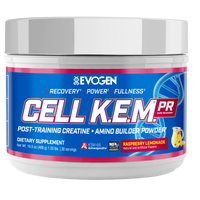
Evogen's Creatine Monohydrate delivers 5 grams of micronized creatine per serving for smooth mixability, strength and power output, muscular endurance, and faster recovery between sets.
Developed by 25x Olympia winner Hany Rambod, it's NSF Certified for Sport and made in cGMP facilities, giving serious athletes confidence in purity, consistency, and performance.
The customer feedback we receive says it all. For example, Berna S. shared this:
"I really liked this creatine. It dissolves easily, tastes good, and helps me perform better during my workouts. I would definitely buy it again!"
Common Potential Side Effects
Creatine has a strong safety profile, but a few side effects are worth knowing. The most common is gastrointestinal discomfort during the loading phase. Taking a loading dose with food rather than on an empty stomach reduces this significantly.
Some people experience mild cramping, which is usually linked to inadequate hydration rather than creatine itself.
The weight gain from water retention surprises some athletes, but it's temporary and muscle-specific.
Kidney concerns come up frequently in online discussions, but current research shows that creatine supplementation at recommended doses does not harm kidney function in healthy individuals.
Turn Creatine Into Real Progress
Creatine can raise your performance ceiling, but your training still determines how much progress you make. Give it time to saturate your muscles, take it consistently, track your lifts, and use those extra reps to push progressive overload.
That approach turns a supplement into a training advantage. As Hany Rambod’s approach to elite physique development demonstrates, small performance gains repeated consistently can produce dramatic results over time.
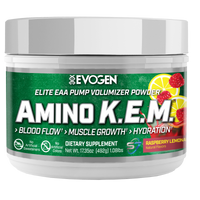
Want to support every phase of your training? Add Evogen's Amino K.E.M. to your stack to help support hydration, performance, and recovery before, during, or after your workout.