







Here's the TL;DR:
- A creatine loading phase typically involves taking 20 grams of creatine per day for five to seven days.
- Loading helps saturate muscle creatine stores faster than taking a standard maintenance dose alone.
- Creatine loading is optional. Daily maintenance dosing will eventually produce the same level of saturation.
- Most athletes transition to a maintenance dose of 3 to 5 grams per day after loading.
- Dividing the loading dose into multiple servings can help reduce digestive discomfort.
- Consistency, hydration, adequate protein intake, and resistance training all help maximize results.
You can spend weeks gradually building muscle creatine stores, or you can reach saturation in less than a week. That's the purpose of a creatine loading phase.
A creatine loading phase involves taking 20 grams of creatine daily for five to seven days to rapidly saturate muscle creatine stores and accelerate the timeline for experiencing creatine's performance benefits.
Whether you're preparing for a demanding training block, chasing new strength PRs, or simply want to get the most from your creatine supplementation strategy, understanding how creatine loading works can help you decide if the faster approach is right for you.
What Is the Creatine Loading Phase and How Does It Work?
The creatine loading phase is a short-term strategy designed to rapidly increase the amount of creatine stored in your muscles. Instead of taking a standard maintenance dose from day one, you temporarily increase intake to saturate muscle creatine stores faster.
Your muscles store creatine primarily as phosphocreatine, also known as creatine phosphate.
During high-intensity exercise, phosphocreatine helps regenerate adenosine triphosphate (ATP), the body's immediate source of energy for explosive movements such as heavy lifts, sprinting, and repeated efforts.
A typical creatine loading dose consists of 20 to 25 grams of creatine per day, usually divided into four or five 5-gram servings, for five to seven days.
By saturating muscle creatine levels more quickly, loading can help you experience the performance benefits of creatine sooner than taking a maintenance dose alone.
Creatine Loading vs. Creatine Cycling: What's the Difference?
Creatine loading and creatine cycling are often confused, but they serve different purposes.
- Loading refers to temporarily increasing your creatine intake to accelerate muscle saturation.
- Cycling involves stopping creatine use for a period after the loading and maintenance phases before starting the cycle again.
Most athletes who complete a loading phase simply transition to a daily maintenance dose rather than cycling.
How To Load Creatine for Faster Muscle Saturation
A creatine loading phase is straightforward when you follow a proven protocol.
The goal isn't to take more creatine indefinitely, but to temporarily increase intake so your muscles reach saturation as quickly as possible before transitioning to a maintenance dose.
Step 1: Begin Creatine Loading Dose of 20 Grams per Day
Start by consuming 20 grams of creatine monohydrate daily. Rather than taking it all at once, divide the dose into four 5-gram servings spread throughout the day.
This approach improves comfort, supports absorption, and helps maintain a steady supply of creatine as your muscle stores begin to fill.
Step 2: Continue for 5 to 7 Days
Most bodybuilders and athletes only need to maintain the loading dose for five to seven days. During this period, muscle creatine stores increase rapidly as phosphocreatine levels climb toward saturation.
Consistency is critical. Missing doses can slow the process and delay the timeline for reaching fully saturated muscle creatine levels.
How do you know when you've reached creatine saturation? You should notice a slight weight gain (1–4 lbs.) from intracellular water retention, improved workout volume, and reduced fatigue between sets.
Once you've reached the saturation point, any excess creatine is excreted, so extending the loading phase past one week doesn't provide any additional benefits.
Step 3: Transition to Maintenance
After completing the loading phase, reduce your intake to a maintenance dose of 3 to 5 grams per day. At this point, the objective shifts from increasing creatine stores to maintaining them.
Step 4: Stay Consistent
The biggest mistake athletes make is treating creatine like a pre-workout supplement instead of a daily habit.
Once your muscles are saturated, consistency matters more than timing. Whether you take creatine in the morning, around your workout, or with a meal, daily use is what keeps muscle creatine stores elevated.
Step 5: Support Your Results
Creatine works best when the fundamentals of performance nutrition are already in place. Prioritize hydration, consume adequate daily protein, and follow a progressive resistance-training program that gives your muscles a reason to adapt.
Hydration is especially important during a loading phase because creatine increases the amount of water stored within muscle cells. Products such as Evogen's Hydration can help support fluid and electrolyte balance while you train.
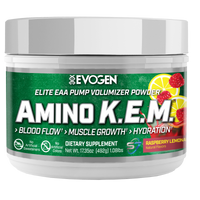
As we all know, proper recovery is essential. Pairing creatine with essential amino acids can help support recovery between sessions and prepare you for your next workout.
Amino K.E.M. EAA delivers a full spectrum of essential amino acids designed to support muscle recovery, performance, and training consistency during demanding training blocks.
The reviews speak for themselves. See what Dustin E., a verified user of Evogen products, had to say about Amino K.E.M. EAA:
"Another awesome product. Once again, the flavor was on point! This will also be going on subscription for me!"
Is a Creatine Loading Phase Necessary or Can You Skip It?
No, a creatine loading phase is not required to experience the benefits of creatine supplementation.
If you prefer, you can simply take 3 to 5 grams of creatine monohydrate daily and gradually increase your muscle creatine stores over time. The question isn't whether you'll reach saturation; it's how quickly you get there.
Loading is essentially a shortcut. A standard maintenance dose eventually produces the same result, but the timeline is much longer.
For example, a daily intake of 3 grams may take more than a month to fully saturate muscle creatine stores, while 5 grams per day can take roughly three weeks.
Increasing intake to 10 grams daily may cut that timeline to around 10 to 12 days, while a traditional 20-gram loading protocol can achieve near-full saturation in less than a week.
For performance-focused athletes, that accelerated timeline can be valuable. A loading phase may make sense if you're preparing for a competition, starting a new training block, or looking to maximize the benefits of creatine as quickly as possible.
On the other hand, recreational lifters, beginners, and athletes who aren't concerned with immediate results can comfortably skip the loading phase and follow a maintenance-only approach.
The key is consistency. Whether saturation takes six days or six weeks, taking creatine regularly is what ultimately drives long-term results.
How Long Should a Creatine Loading Phase Last?
A standard creatine loading phase lasts five to seven days. This timeframe is typically sufficient to rapidly increase muscle creatine stores and approach saturation when following the traditional protocol of 20 grams per day.
Once the loading phase is complete, transition to a maintenance dose of 3 to 5 grams daily to help maintain elevated creatine levels over the long term.
Is Creatine Loading Safe?
For most healthy adults, creatine loading is generally considered safe when used as directed. Creatine monohydrate has been used by athletes for decades and remains one of the most trusted supplements in sports nutrition.
Following recommended dosages and maintaining proper hydration can help support both performance and comfort throughout the loading phase.
Potential Side Effects of Creatine Loading
The most common side effect of creatine loading is temporary water weight gain as muscles retain more water. Some individuals may also experience stomach discomfort, bloating, or digestive upset, especially when large doses are consumed at once.
Dividing your daily intake into smaller servings can help minimize these issues. If you have a medical condition or concerns about supplementation, consult a qualified healthcare professional before beginning a loading protocol.
Common Creatine Loading Mistakes To Avoid
Many athletes make the mistake of taking their entire daily loading dose in a single serving, which can increase the likelihood of digestive discomfort.
Others stop supplementing after the loading phase instead of transitioning to a maintenance dose, causing muscle creatine levels to gradually decline.
Inconsistent dosing, inadequate hydration, and expecting immediate results after only a day or two are also common mistakes. A successful loading phase comes down to following the protocol, staying hydrated, and remaining consistent from start to finish.
How To Choose the Best Creatine Supplement for a Loading Phase
Whether your goal is to increase strength, support muscle growth, or maximize training performance, the key is using a high-quality creatine monohydrate supplement consistently throughout both the loading and maintenance phases.
Creatine monohydrate remains one of the most popular supplements for a creatine loading phase because it's the form used in the vast majority of creatine research.
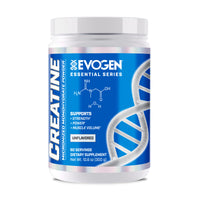
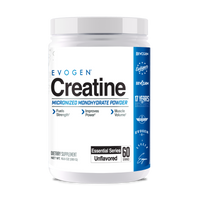
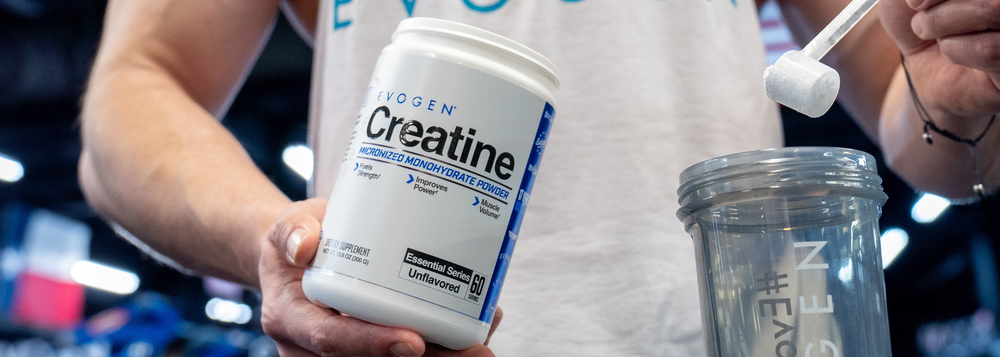
For athletes who want a proven option, Evogen's Creatine Monohydrate delivers the ingredient and dosage profile needed to support rapid muscle creatine saturation.
Our micronized creatine formula consistently earns positive feedback. For example, Alisa P. recently shared:
"Love the Evogen creatine! The unflavored is great during prep, the ingredients are clean, and the results are fire."
The best brands for creatine loading emphasize purity, quality testing, strong manufacturing standards, and ingredient transparency.
Look for products that clearly disclose their ingredients, avoid unnecessary proprietary blends, and prioritize mixability and consistency from serving to serving. Evogen checks all the boxes.
Remember that even the highest-quality creatine supplement works best when paired with adequate protein intake and a well-designed resistance-training program.
For athletes struggling to consistently hit protein targets through whole foods alone, a high-quality whey isolate can help bridge the gap.
IsoJect delivers rapidly absorbed protein to support muscle recovery, growth, and performance as part of a complete nutrition strategy.
Creatine Loading Phase: Faster Saturation, Same Long-Term Results
One of the biggest misconceptions about creatine loading is that it somehow makes creatine "work better." In reality, loading doesn't change the destination. It changes how quickly you get there.
If you're preparing for a competition, entering a high-volume training phase, or simply eager to maximize the benefits of creatine sooner, loading can be a practical tool.
If you're focused on the long game and don't mind a slower timeline, a standard maintenance dose can be equally effective.
The real lesson is that supplements should support a well-executed plan, not replace one. This philosophy has been a cornerstone of Hany Rambod's approach throughout his career as The Pro Creator.
Consistent training, intelligent nutrition, disciplined recovery, and strategic supplementation build the foundation for long-term progress. Creatine loading is simply one way to accelerate the process when timing matters.
Ready To Maximize Your Creatine Results?
A successful loading phase doesn't end after seven days. Maintaining elevated creatine stores and supporting recovery are what help turn short-term saturation into long-term performance.
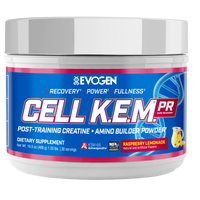
Cell K.E.M. PR combines creatine with amino acids and recovery-focused ingredients designed to support athletes after demanding training sessions, making it a smart addition to a complete muscle-building and recovery strategy.