








Here's the TL;DR:
- L-carnitine transports fatty acids into your cells to be used for energy.
- It supports fat metabolism, endurance, and recovery when combined with consistent training.
- Benefits build over time rather than after a single dose.
- Different forms serve different purposes, from athletic performance to cognitive support.
- L-carnitine stacks well with other performance supplements to support energy, strength, hydration, and recovery.
Training hard is only part of the equation. Your body also needs the right tools to efficiently produce energy and recover for the next session. So, what does L-carnitine do to help with this?
L-carnitine transports long-chain fatty acids into your cells' mitochondria, where they can be converted into usable energy through fat oxidation. This process helps your body fuel exercise more efficiently while supporting performance and recovery.
Every workout has a purpose, and every supplement should too. Understanding where L-carnitine fits into your nutrition plan can help you get more out of the work you're already putting in.
What Is L-Carnitine?
L-carnitine is a naturally occurring compound synthesized from the amino acids lysine and methionine.
Although it's often associated with amino acids, it's technically an amino acid derivative that your body produces primarily in the liver and kidneys, though it also comes from certain foods and dietary supplements.
Because it's essential for normal energy metabolism, L-carnitine has become a popular supplement among bodybuilders and others looking to support performance, recovery, and body composition.
Natural Food Sources
Your body produces L-carnitine naturally, but you also obtain it from foods. Red meat, pork, fish, poultry, and dairy are considered the best sources of L-carnitine, with red meat providing the highest amounts.
Plant foods contain very little, so supplementation can be useful for some people who follow a plant-based diet.
Types of L-Carnitine
Different forms of L-carnitine offer unique benefits depending on your goals.
- Standard L-carnitine is the naturally occurring form produced by the body. It's commonly used to support healthy carnitine levels and serves as the foundation for other supplemental forms.
- L-carnitine L-tartrate (LCLT) combines L-carnitine with tartaric acid to improve stability and absorption. It's one of the most researched forms for exercise performance, recovery, and resistance training.
- Acetyl-L-carnitine (ALCAR) contains an added acetyl group that allows it to cross the blood-brain barrier. It's commonly used to support cognitive function, focus, and mental clarity.
- Propionyl-L-carnitine has been studied primarily for cardiovascular health and healthy circulation. While less common in sports nutrition, it may support blood flow and vascular function.
- L-carnitine fumarate combines L-carnitine with fumaric acid, a compound involved in cellular energy production. It's sometimes included in comprehensive formulas to support heart health, muscle function, and energy metabolism.
Many comprehensive formulas combine multiple forms of L-carnitine to support a broader range of performance and wellness benefits.
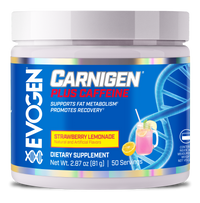
For instance, Evogen's Carnigen Plus Carnitine Powder combines L-carnitine L-tartrate, acetyl-L-carnitine, and L-carnitine fumarate with 100 mg of pure caffeine to help you push the limits of fat loss and performance.
What Does L-Carnitine Do in the Body?
L-carnitine acts as a transport molecule that shuttles long-chain fatty acids into the mitochondria, where they are converted into usable energy.
It also helps regulate cellular energy metabolism by supporting efficient fat utilization and maintaining the balance of metabolic byproducts produced during exercise, helping your cells function efficiently under increased physical demands.
Benefits of L-Carnitine
Supplemental L-carnitine offers several beneficial health effects and performance benefits that make it a valuable addition to a comprehensive training plan:
- Supports fat metabolism: Helps transport fatty acids for energy production.
- Promotes cellular energy: Supports efficient ATP generation.
- May improve endurance: Helps sustain performance during longer workouts.
- May reduce muscle soreness: Supports muscle health after intense training.
- Aids recovery: May help you bounce back between workouts.
- Supports cognitive function: ALCAR may promote focus and mental clarity.
How L-Carnitine Aids Fatty Acid Transport
The fatty acid transport function is what makes L-carnitine worth adding to a serious training stack.
Long-chain fatty acids can't pass through the inner mitochondrial membrane on their own; they need to be attached to carnitine first, forming acylcarnitine, which the transport proteins can then move across.
Consistent L-carnitine supplementation can increase muscle carnitine stores over time, particularly when taken with carbohydrates that stimulate insulin release.
How L-Carnitine Helps Energy Production
L-carnitine supports energy production by transporting long-chain fatty acids into the mitochondria, where they're converted into ATP, your body's primary source of cellular energy.
When carnitine levels are adequate, your body can rely more efficiently on fat for fuel, particularly during longer training sessions when energy demands increase.
How L-Carnitine Can Improve Exercise Performance
The effect of L-carnitine supplementation is most pronounced when training volume is high and recovery demands are significant. If you're putting in the work, this dietary supplement gives your metabolism more to work with.
Improved Endurance Capacity in Training
During long training sessions, your body shifts toward fat oxidation to spare muscle glycogen. L-carnitine accelerates that shift. With more efficient fatty acid transport, you can sustain a higher work rate for longer before hitting the wall.
Increased Strength and Power Output
The effects of L-carnitine on strength aren't as immediate as with creatine, but a systematic review and meta-analysis of randomized controlled trials examining carnitine supplementation found increases in lean mass and reductions in fatigue markers over multi-week protocols.
The mechanism likely involves reduced muscle damage and better energy availability during resistance training, both of which let you train harder, enjoy a more consistent power output, and recover faster between sets and sessions.
Effects on Recovery and Muscle Soreness
Recovery is one of the more compelling reasons to take L-carnitine consistently, particularly if you're training at high intensity or frequency.
By supporting efficient energy metabolism and limiting the buildup of metabolic byproducts during exercise, it may help reduce muscle soreness, minimize exercise-induced muscle damage, and promote faster recovery between workouts.
Who Should Take L-Carnitine?
L-carnitine is well suited for endurance athletes, bodybuilders, strength athletes, and anyone training at a high volume who wants to optimize energy metabolism and recovery.
It may also benefit older adults, whose natural carnitine levels can decline with age, and vegetarians or vegans, who typically consume less dietary L-carnitine than those who regularly eat meat.
Signs You May Benefit From L-Carnitine
You may benefit from L-carnitine supplementation if you train intensely several days per week, perform long endurance sessions, experience lingering muscle soreness, or consume little dietary L-carnitine from animal-based foods.
It can also be a smart addition if you're looking to improve recovery, meet specific physique goals, or maximize the results of a well-structured training program.
L-Carnitine Dosing and Timing Guidelines
How much L-carnitine should you take per day? The typical L-carnitine supplementation dosage ranges from 1 to 3 grams daily, with 2 grams per day being a practical target for many people.
Because L-carnitine uptake into muscle is enhanced by insulin, taking it with a carbohydrate-containing meal or post-workout shake may improve muscle carnitine stores over time, but pre-workout use is also common.
Consistency over weeks is what builds meaningful muscle carnitine concentration, so it's best taken daily as part of a long-term nutrition and training strategy.
How Long Does L-Carnitine Take To Work?
L-carnitine is not an instant-acting supplement. While it begins circulating soon after ingestion, noticeable benefits typically develop after four to 12 weeks of consistent daily use as muscle carnitine stores gradually increase.
Your diet, training volume, dosage, and whether you take it with carbohydrates can all influence how quickly you experience improvements in performance, recovery, or body composition.
Potential Side Effects of L-Carnitine Supplementation
L-carnitine is generally well tolerated when taken as directed. Some people may experience mild digestive discomfort, including nausea, stomach cramps, or diarrhea, particularly at higher doses.
Rarely, supplementation can cause a fishy body odor. If you have an underlying medical condition or take prescription medications, consult your healthcare provider before use.
What Is the Best L-Carnitine Supplement?
The best L-carnitine supplement depends on your training goals, your preferred delivery method, and whether you want additional performance support.
Look for fully disclosed formulas, multiple forms of carnitine, and quality ingredients designed to maximize absorption and effectiveness.
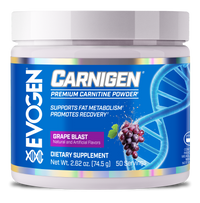
Carnigen Carnitine Powder, designed by Hany Rambod, is an excellent stimulant-free option, combining three forms of carnitine with vitamins, minerals, and bioavailability enhancers to support energy metabolism, recovery, and lean mass goals.
For those looking for additional metabolic support before cardio or training, Carnigen Plus Carnitine Powder features three premium forms of carnitine, absorption enhancers, and caffeine to help support fat utilization and performance.
If you prefer a fast-absorbing liquid, Carnigen Premium Liquid Carnitine delivers L-carnitine and acetyl L-carnitine HCL in a convenient formula designed to support energy production, endurance, recovery, and fat metabolism before training or cardio.
We've received hundreds of positive customer reviews for our carnitine products. For instance, Michael L. recently shared this:
"I stack this with my pre and have found improved performance and energy as a result. Workouts are becoming more optimal."
Can You Take L-Carnitine With Other Supplements?
Yes, L-carnitine can be combined with other performance supplements to help you target multiple performance goals without relying on a single ingredient. Consider:
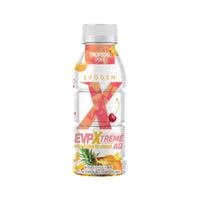
- EVP Xtreme N.O. features 200 mg of caffeine, L-citrulline, arginine nitrate, beta-alanine, lion’s mane, and creatine monohydrate to help you push through demanding workouts.
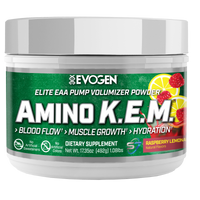
- Amino K.E.M. provides a full-spectrum EAA and BCAA formula with betaine, hydration support, electrolytes, and an S7 nitric oxide blend.
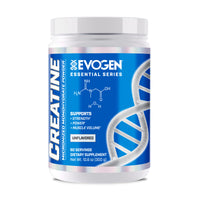
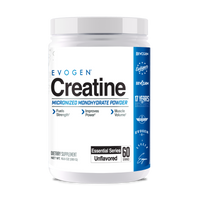
- Creatine monohydrate supports strength, power output, endurance, and recovery during high-intensity efforts.
- IsoJect Whey Protein Isolate delivers a clean, fast-digesting whey protein isolate to help support daily protein intake, muscle recovery, and lean muscle growth.
- Evogen Hydration includes electrolytes and Alpha GPC for mental focus to help support every aspect of performance.
How To Get the Most From L-Carnitine Supplementation
L-carnitine is most effective when it's part of a disciplined approach to training, nutrition, and recovery, not a replacement for them.
Those who see the best results are those who stay consistent, fuel their bodies properly, and train with purpose.
That approach reflects the philosophy of Evogen founder Hany Rambod, The Pro Creator, whose systems are built around maximizing every aspect of performance.
When your training, recovery, and supplementation work together, you give yourself the best opportunity to reach your full potential.
Supporting your performance starts with a strong nutritional foundation.
Pair your L-carnitine routine with Evogreens to help fill nutritional gaps with nutrient-dense greens, fruits, vegetables, digestive enzymes, and probiotics so you can better support overall health while chasing your performance goals.