









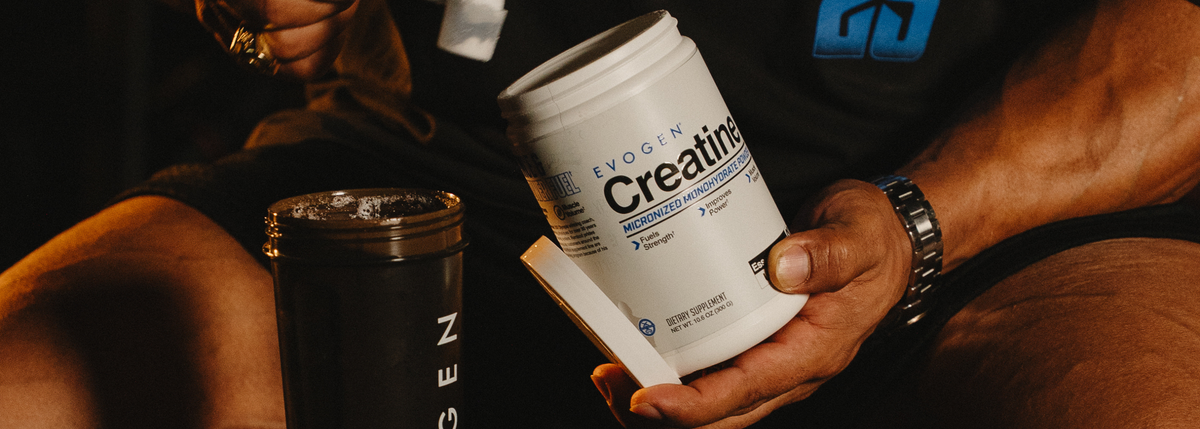
Here’s the TL;DR:
- Yes, you can put creatine in coffee. Hot coffee does not break down creatine during the time it takes to drink it.
- Take 3–5 grams of creatine monohydrate daily to support strength, power output, muscle growth, and recovery.
- Micronized creatine mixes best in warm coffee. Stir thoroughly, and drink it shortly after mixing for the best experience.
- Caffeine does not prevent creatine from saturating muscle when both are used at typical daily doses.
- Coffee is one of the easiest ways to build a consistent creatine habit, which is the key to long-term results.
Can you put creatine in coffee? If you’re looking for a simpler way to take creatine every day, you’ll be glad to know that yes, you can absolutely put creatine in coffee.
Mixing 3–5 grams of creatine monohydrate into your morning coffee is a convenient, effective strategy that supports muscle growth, strength, power, and long-term training performance. Practical reminders, such as leaving your creatine beside your coffee maker, make it easy to turn intention into action.
This complete guide explains how creatine works, how caffeine influences performance, what happens when you combine the two, and how to incorporate this habit into your routine to support long-term strength training, muscle hypertrophy, and overall physical fitness.
You’ll also learn the key benefits, potential drawbacks, and practical strategies that make this approach so sustainable.
What You Need To Know Before Adding Creatine To Coffee
Before you start mixing creatine into your coffee, it helps to understand how these two ingredients interact.
Coffee is one of the most widely consumed beverages in the United States, and creatine is one of the most studied performance-enhancing substances in sports nutrition. When combined properly, they support both energy production and alertness without interfering with each other.
Micronized creatine mixes noticeably better in warm liquids, which helps texture and compliance. If you have a sensitive stomach, test the method during training days rather than competition days, and consider splitting doses or taking creatine with a small snack to reduce GI upset.
For most athletes, this is simply the most practical strategy for staying consistent.
How Creatine and Caffeine Work Together
Creatine and caffeine both improve performance, but they do so through entirely different molecular pathways.
How Creatine Supplementation Works
Creatine works primarily inside muscle cells. Once ingested, it’s stored as phosphocreatine, which serves as a rapid reserve of phosphate groups.
During high-intensity efforts, such as heavy lifting, phosphocreatine donates a phosphate to ADP, rapidly regenerating ATP, the body's immediate energy currency. This helps maintain power output during short, intense bouts of exercise and can improve training volume over time. A daily intake of 3 to 5 grams is enough to maintain saturation.
How Caffeine Supports Performance
Caffeine acts mainly through the nervous system by blocking adenosine receptors in the brain. Adenosine normally promotes fatigue and reduces neural activity.
By preventing adenosine from binding, caffeine increases alertness, reaction time, motor unit recruitment, and perceived energy. It also increases the release of neurotransmitters such as dopamine and norepinephrine, enhancing focus and exercise intensity.
Does caffeine affect creatine? No, normal caffeine intake does not prevent creatine from accumulating in muscle or reduce its effectiveness when used consistently.
Simply put, creatine supports the engine, while caffeine helps press the accelerator.
Most athletes tolerate between 200 and 400 milligrams per day, although sensitivity varies.
What Happens When Creatine and Caffeine Are Combined?
Modern research shows that creatine and caffeine together are compatible for most athletes.
Typical use doesn’t appear to limit creatine saturation or slow progress, and most athletes handle the combo without issue. Some trials even point to improved mental focus, which is something athletes notice immediately in training.
Does Hot Coffee Break Down Creatine?
No. Hot coffee does not significantly break down creatine during the time it takes to prepare and drink your beverage. In fact, according to a recent study, “The solubility of creatine in water increases linearly with increasing temperature.”
This means that adding creatine to hot or warm beverages ensures you actually wind up drinking the full dose, rather than seeing wasted creatine in the bottom of your empty glass.
This misconception that high temperatures destroy creatine comes from the fact that creatine can slowly convert into creatinine, an inactive byproduct, when it remains dissolved in liquid for extended periods.
The rate of this conversion is influenced by several factors, including temperature, pH, and exposure time. While higher temperatures can accelerate degradation, the process is gradual rather than immediate.
In practical terms, adding 3 to 5 grams of creatine monohydrate to a freshly brewed cup of coffee and drinking it within a normal timeframe results in negligible loss of creatine.
What matters far more than coffee temperature is how long the creatine remains in solution. If creatine sits dissolved in a liquid for many hours or days, particularly in an acidic environment, conversion to creatinine gradually increases.
However, a cup of coffee consumed over 10 to 30 minutes does not provide enough time for meaningful degradation to occur.
For athletes, the takeaway is simple: mix your creatine into hot coffee, stir well, and drink it as you normally would. The convenience and consistency benefits outweigh any theoretical concerns about heat-related breakdown.
Creatine in Coffee vs. a Protein Shake
Neither coffee nor a protein shake is inherently better for taking creatine. The best option depends on your goal and, most importantly, which method helps you maintain a consistent daily intake.
For many athletes, coffee is the more practical choice. Because coffee is likely already part of your daily routine, adding 3 to 5 grams of creatine creates a simple habit that supports long-term muscle creatine saturation.
Consistency is ultimately what drives creatine's benefits, not the specific beverage used to deliver it.
A post-workout protein shake offers different advantages. Whey protein provides essential amino acids, particularly leucine, to stimulate muscle protein synthesis, while carbohydrates can increase insulin release and help replenish glycogen stores after training. Pairing your shake with a dedicated glycogen supplement such as GlycoJect can make hitting that carb target more convenient.
Together, these nutrients create a recovery-focused environment that complements creatine's role in supporting training performance and muscular adaptation.
If your priority is adherence, coffee is an excellent option. If you're already consuming a post-workout shake containing protein and carbohydrates, adding creatine can streamline your recovery strategy.
Benefits of Mixing Creatine Into Coffee
Adding creatine to coffee has become a popular strategy among strength athletes, bodybuilders, and fitness enthusiasts because it combines convenience with performance support.
Here are the most consistent benefits we see:
- Improved solubility and smoother mixing.
- Greater daily consistency.
- Easier supplementation during travel, work, and busy schedules.
- A convenient way to support long-term muscle creatine saturation.
- Enhanced mental readiness.
- A streamlined pre-training routine for athletes who train in the morning.
Improved Solubility in Warm Drinks
Warm beverages like coffee help creatine monohydrate dissolve more easily. This improves texture, reduces grit, and prevents undissolved powder from collecting at the bottom of your drink. Micronized creatine mixes especially well into warm liquids.
Pros of Mixing Creatine Into Your Routine
When creatine becomes part of an existing habit, your adherence increases. A consistent intake supports strength adaptations, muscle hypertrophy, and improved training performance.
Benefits include:
- Higher long-term consistency.
- Easier daily ingestion.
- Better compliance during travel or stressful periods.
- Reduction in forgotten doses.
Benefits of Creatine for Early Training Sessions
Athletes who train early often appreciate the combined effects of caffeine and creatine. Coffee supports alertness and neurological readiness while creatine enhances physical performance and endurance. This combination supports both immediate and long-term goals.
Cons of Mixing Creatine With Coffee and How To Manage Them
While this method works for most people, some athletes experience drawbacks that require small adjustments.
Digestive Sensitivity and Acid Upset
Coffee increases stomach acid for some athletes. When combined with creatine, this can lead to temporary bloating or cramping. You can manage this by:
- Taking creatine with food.
- Switching to cold brew, which has lower acidity.
- Using a split dose of creatine throughout the day.
Managing Overall Caffeine Intake
Coffee is only one source of caffeine. If you also use pre-workout formulas, tea, soft drinks, or energy drinks, your stimulant exposure can rise quickly. Monitoring caffeine intake also helps athletes avoid late-day overstimulation that may interfere with sleep quality and recovery. Keeping total caffeine intake moderate improves long-term performance.
Understanding Effects on Muscle Relaxation Time
Early research on creatine and caffeine raised questions about opposing effects on muscle relaxation time, particularly during high-dose loading protocols. A controlled trial found that combining creatine loading with daily caffeine (either as anhydrous caffeine or coffee) did not significantly diminish strength or sprint performance compared with creatine alone.
More recent reviews, including a 2022 systematic analysis of creatine–caffeine research, show that these effects are not consistently replicated at everyday intake levels. Still, athletes in high-skill or precision-based sports may benefit from testing the combination during training to see how their neuromuscular control responds.
How Caffeine Timing Influences Creatine Intake
Caffeine peaks 30–60 minutes after consumption, while creatine works through long-term saturation. When you mix creatine and coffee together, you may feel sharper and more energized during warm-ups, but athletes should still consider:
- How close caffeine intake is to competition or max-effort sessions.
- Whether they train twice per day and need energy reserved for a second session.
- How sensitive they are to late-day caffeine and its effect on sleep.
Individual Variability in Creatine and Coffee Tolerance
Two athletes can follow the same creatine routine and experience different results. Body size, gastric motility, stress levels, hydration, and caffeine metabolism all influence how well creatine and coffee work together.
If you notice bloating, jitteriness, or inconsistent energy, adjustments such as lowering caffeine slightly or shifting creatine intake to a post-workout shake may provide immediate relief.
Hydration and Creatine Intake Considerations
Creatine increases intracellular water retention, while caffeine acts as a mild diuretic. Neither effect is dangerous, but proper hydration helps maintain fluid balance and supports performance. Athletes should increase their water intake and consider electrolyte supplementation during hard training.
Best Way To Mix Creatine Into Coffee
You can mix creatine into nearly any beverage, but coffee remains one of the easiest methods.
The best approach is simple: add 3 to 5 grams of micronized creatine monohydrate to freshly brewed coffee, stir thoroughly, and drink it within your normal coffee-drinking window. Micronized creatine dissolves more easily in warm liquids, so you’ll notice reduced grit and improved mixability.
Using the Standard Dose of Creatine Daily
Creatine works through saturation, which means consistency is more important than timing. If you prefer faster saturation, a short loading phase is optional, but many athletes choose steady maintenance to avoid GI issues. Accurate scooping and using micronized creatine reduces texture complaints and improves adherence.
Best Practices for Athletes Who Want To Mix Creatine Consistently
Consistency is the primary driver of creatine’s benefits. In our coaching conversations, we find that athletes who pair creatine with a daily routine, like coffee, experience better long-term progress than those who constantly adjust their routines.
When your program shifts through strength, hypertrophy, or cutting phases, your supplement strategy should shift with it; adding creatine to your morning coffee can be a simple, reliable anchor across all of these blocks.
How To Build a Creatine Habit That Lasts
Instead of focusing on perfect timing, build a routine that’s simple and repeatable. Athletes who maintain full saturation typically follow habits such as:
- Taking creatine at the same time every day.
- Pairing creatine with a beverage they already drink without fail.
- Keeping creatine visible on the counter as a reminder.
- Using micronized creatine to ensure smooth mixing in any beverage.
These small environmental cues reduce decision fatigue, which is one of the biggest factors in long-term supplement consistency.
When Coffee May Not Be the Best Option
Although creatine in coffee is ideal for many athletes, others may benefit from separating them. Consider shifting creatine intake if you:
- Train late at night and want to reduce caffeine exposure.
- Follow a very low-acid diet for digestive support.
- Prefer pairing creatine with carbohydrates post-workout.
- Want a flavor-neutral option in smoothies or protein shakes.
The goal is to find a method that enhances your training rather than forcing a routine that does not fit your lifestyle.
Track Overall Caffeine Consumption
Monitoring your caffeine intake helps you manage energy, sleep, and training quality more effectively throughout the day.
When you know how much caffeine comes from coffee, pre-workouts, tea, or energy drinks, it’s easier to avoid overstimulation and protect recovery. This awareness also helps you adjust creatine timing so both supplements support your performance instead of working against your sleep or hydration needs.
Stay Within the Daily Three to Five Gram Range
Aim for a steady daily intake that you can realistically maintain; larger one-off doses rarely improve outcomes and frequently produce GI irritation, which undermines long-term consistency.
Keeping your intake in this range supports performance, recovery, and long-term adherence without unnecessary stress on the gastrointestinal system.
Mix Creatine and Caffeine Wisely With Other Supplements
At Evogen, our coaching approach emphasizes purposeful supplementation. Instead of combining multiple formulas without a plan, we teach athletes to build stacks that support their specific training phase and recovery needs.
Here’s how to do it safely.
Stacking Creatine With Pre-Workout Formulas
If you use stimulant-based pre-workout formulas, consider how much caffeine they contain. Coffee plus a strong pre-workout can lead to overstimulation.
How To Mix Creatine With Caffeine-Based Pre-Workouts Safely
When using pre-workouts such as EVP Xtreme N.O., athletes should follow basic guidelines:
- Count total caffeine intake from coffee, pre-workout, and energy drinks.
- Avoid stacking multiple creatine-containing products, which may raise intake above the optimal daily range.
- Space out stimulants if you train twice per day to prevent fatigue crashes.
Mixing creatine into coffee in the morning and using a structured pre-workout later can work seamlessly when caffeine exposure is intentionally managed.
When To Consider a Stimulant-Free Stack
Athletes who prefer clean focus without overstimulation may benefit from pairing creatine with EVP-3D, Evogen’s stimulant-free performance formula. This option supports pump, endurance, and focus without adding to caffeine load, making it ideal for:
- Evening training.
- High-skill days requiring fine motor control.
- Athletes prone to caffeine sensitivity.
Common Myths About Creatine and Coffee Debunked
Athletes often hear conflicting advice. Clear guidance removes confusion and supports better decision-making.
Many of the concerns surrounding creatine and coffee stem from outdated research, misunderstandings about supplement timing, or confusion between short-term effects and long-term adaptations. In practice, both supplements have been studied extensively and remain among the most effective tools available for supporting athletic performance.
- Myth: Creatine and coffee should never be taken together.
- Fact: For most healthy athletes, combining creatine and coffee is both safe and practical when daily caffeine intake is appropriately managed.
- Myth: The timing of creatine is more important than total daily intake.
- Fact: Creatine works through muscle saturation. Consistently consuming your daily dose matters far more than taking it at a specific time.
- Myth: Mixing creatine into coffee reduces its effectiveness.
- Fact: Normal coffee preparation and consumption habits do not meaningfully reduce creatine's ability to support strength, power, muscle growth, and training performance.
Myths To Ignore About Creatine Intake
- Myth #1: Coffee breaks down creatine.
- Myth #2: Caffeine cancels creatine.
- Myth #3: You need to follow a complicated creatine loading phase.
Who Should Be Cautious
Certain individuals should consult a health professional before combining creatine with caffeine or coffee. These include athletes who:
- Have kidney concerns.
- If you are pregnant or breastfeeding.
- Experience anxiety disorders or high blood pressure.
- Take medications influenced by caffeine metabolism.
Best Creatine Options and Stacks for Athletes Who Add Creatine to Coffee
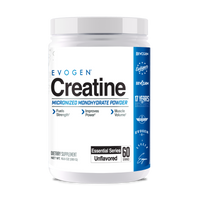
If you are putting creatine in coffee, the simplest and most consistent option is an unflavored, micronized creatine monohydrate. It blends smoothly, stays tasteless, and won’t compete with caffeine’s effects.
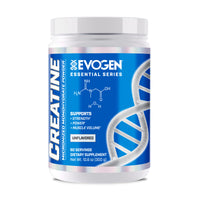
For athletes who want clean mixability and reliable performance, we recommend our micronized creatine monohydrate because it dissolves easily in warm drinks and supports daily consistency.
Evogen’s creatine consistently gets strong reviews. For example, Luis M., a verified customer, recently shared:
“I've found this creatine to be the most effective I've ever tried - my strength and recovery have improved noticeably💥”
If you prefer using creatine in a pre-workout context, adding your micronized creatine to coffee 30 to 60 minutes before training works well. Athletes who don’t drink coffee can use our creatine with our EVP Xtreme N.O. for a stimulant-driven session or EVP-3D when they want to pump and focus without caffeine. Both options keep your routine clean and stack-friendly.
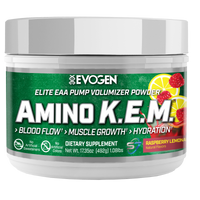
For those building a full supplement stack, our creatine pairs well with IsoJect post-workout and Amino K.E.M. around training. If you use EVP AQ, take it separately from protein since its glycerol base is intended to be paired with other pre-workouts, not shakes.
These combinations support hydration, recovery, and performance without unnecessary overlap. Hany’s coaching philosophy has always centered on consistency. If your stack fits your lifestyle and training demands, you’re far more likely to sustain it and see meaningful progress.
Why Adding Creatine to Coffee Works for So Many Athletes
Yes, you can put creatine in coffee, and for many athletes, this simple method becomes one of the most reliable ways to stay consistent with your daily creatine intake.
When a routine fits naturally into your lifestyle, you’re far more likely to sustain it, and long-term consistency is what drives real progress. Coffee provides the alertness you need to start the day, and creatine supports the strength, endurance, and training quality you build over time.
At Evogen, we teach athletes to choose the systems they can execute every day. Whether you mix creatine into your morning coffee, pair it with a post-workout shake, or blend it into a structured supplement stack, the goal is the same: saturate your muscles, recover fully, and perform at your highest level.
Pick the method that supports your training style, your schedule, and your long-term goals.
If you want an option that mixes cleanly, supports performance, and keeps your routine simple, explore Evogen's creatine monohydrate and build a daily habit that moves you forward.