










Here's the TL;DR:
- Total daily protein intake matters more than perfect timing.
- Post-workout is a convenient and effective time to take whey protein.
- Whey protein can also be beneficial in the morning, between meals, and before training.
- Most lifters should consume 1.6–2.2 g of protein per kilogram of body weight daily.
- Whey protein should be used on both training days and rest days when needed.
When it comes to protein timing, many athletes miss the bigger picture. Knowing when to take whey protein can help optimize recovery, support muscle growth, and make it easier to hit your daily nutrition targets.
The best time to take whey protein is whenever it helps you consistently meet your daily protein needs, although post-workout, morning, and between-meal servings are often the most beneficial.
Understanding how whey protein works, when to use it, and how to pair it with other supplements can help you get more value from every serving and maximize the return on your training efforts.
Why Whey Protein Remains the Gold Standard for Muscle Growth
Whey protein delivers the essential amino acids your body needs in a fast-digesting, highly bioavailable form. Few supplements offer the same combination of convenience, quality, and scientific support.
The Effects of Whey Protein on Muscle Growth
Whey protein is rich in leucine, the key amino acid responsible for triggering muscle protein synthesis, the process that repairs and builds new muscle tissue after training.
Because whey digests quickly, amino acids become available when muscles need them most.
Regular whey protein consumption supports recovery between workouts, helps reduce muscle protein breakdown, and promotes the training adaptations that lead to greater strength, size, and performance over time.
Fitness Benefits of Using Whey Protein
Whether your goal is building muscle, improving body composition, or recovering faster, whey protein can support your results.
Benefits include:
- Supports muscle growth and maintenance.
- Helps stimulate muscle protein synthesis.
- Speeds recovery after intense training.
- Convenient way to increase daily protein intake.
- Helps preserve lean muscle during fat-loss phases.
- Promotes satiety and appetite control.
- Mixes easily into shakes, smoothies, and meals.
How Whey Protein Compares to Other Types of Protein
Compared to other protein sources, whey stands out for its amino acid profile and rapid digestion. Casein digests more slowly and is often preferred before bed, while blended proteins combine fast and slow-digesting sources for sustained amino acid delivery.
Plant-based proteins can be effective, but except for soy protein, they may contain lower amounts of certain essential amino acids unless carefully formulated.
For maximizing muscle protein synthesis, whey remains one of the most effective and researched options available.
Should You Take Whey Protein Before or After a Workout?
For most people, taking whey protein after a workout is the most practical and effective choice because it helps provide the amino acids needed to support muscle repair and recovery.
That said, the best timing strategies for taking whey protein depend on your overall nutrition plan, training schedule, and daily protein intake.
Consuming whey protein either before or after training can support muscle growth, provided you're consistently meeting your protein needs throughout the day.
When Is the Best Time To Take Whey Protein?
The best time to take whey protein depends on your goals, training schedule, and overall diet.
While meeting your daily protein target remains the priority, strategically timing whey protein can help support muscle growth, recovery, appetite control, and workout performance throughout the day.
After Your Workout for Muscle Growth
Post-workout is one of the most popular times to take whey protein because resistance training increases the body's demand for amino acids. Whey protein delivers leucine and other essential amino acids quickly, helping stimulate muscle protein synthesis and support recovery.
Pairing whey protein with carbohydrates after training can further support glycogen replenishment and prepare your body for the next workout.
In the Morning, To Stop Muscle Breakdown
After several hours without food overnight, your body is primed to utilize protein. A whey protein shake in the morning provides rapidly absorbed amino acids that help shift the body from a catabolic state toward a muscle-building environment.
This strategy can be particularly useful for anyone training early in the day or struggling to consume enough protein at breakfast.
Between Meals To Curb Hunger
Whey protein can be an effective tool for managing appetite while supporting lean muscle mass. Adding a protein shake between meals keeps you feeling full, reduces cravings, and maintains a steady supply of amino acids throughout the day.
Before Bed To Support Overnight Recovery
A pre-bed protein boost can help support overnight recovery, but casein is typically a better choice than whey protein in this situation.
Whey digests quickly, whereas casein forms a slower-releasing protein source that provides amino acids over several hours during sleep.
Is Whey Protein Better Taken on Training Days or Every Day?
For most people trying to build muscle, whey protein should be used whenever it helps you reach your daily protein target, regardless of whether it's a training day or a rest day.
The repair and rebuilding processes that drive progress continue between training sessions, making adequate protein intake just as important on recovery days.
Consistently consuming enough protein throughout the week is far more important than restricting whey protein to workout days alone.
Choosing Between the Different Types of Whey Protein Supplements
With the various types of whey protein available, differences in processing methods can affect protein concentration, lactose content, digestion speed, and overall user experience. Choose the right option based on your goals, dietary needs, and performance priorities.
Whey Protein Concentrate
Whey protein concentrate is the least processed form of whey and typically contains between 70% and 80% protein by weight. The remaining portion consists of small amounts of carbohydrates, lactose, and dietary fats.
Concentrate can absolutely support muscle growth and recovery, but athletes who are sensitive to lactose or seeking the highest possible protein purity may prefer a more refined alternative.
Whey Protein Isolate
Whey protein isolate undergoes additional filtration to remove much of the lactose, fat, and carbohydrates found in concentrate. The result is a protein source that typically contains 90% or more protein by weight while remaining easy to digest and rapidly absorbed.
For athletes pursuing lean muscle growth, contest preparation, or tighter macronutrient control, isolate is often the preferred choice.
The best whey protein isolate brands focus on purity, amino acid quality, mixability, and transparent labeling.
Evogen's IsoJect combines premium whey protein isolate with exceptional taste and digestibility, making it an excellent choice for athletes who refuse to compromise on quality.
Our IsoJect consistently receives positive feedback. For instance, one verified customer recently shared:
"This company has the best tasting protein! I ordered 3 flavors, but Love this one. They are not chalkie and I can be certain that it tastes like the flavor it says it does!"
Whey Protein Hydrolysate
Whey protein hydrolysate is partially broken down through a process called hydrolysis, which allows amino acids and peptides to be absorbed even more rapidly.
Because of its advanced processing, hydrolysate is commonly found in premium recovery formulas designed for high-performance athletes, is often more expensive than concentrates or isolates, and may have a slightly bitter taste.
A Quick Comparison
While all three forms of whey can support muscle growth and recovery, understanding their key differences can help you choose the option that best aligns with your goals and nutritional preferences.
|
Type |
Protein % |
Lactose |
Digestion Speed |
Best For |
|
Concentrate |
70–80% |
Higher |
Fast |
General use |
|
Isolate |
90+ |
Very low |
Fast |
Lean muscle, sensitive stomachs |
|
Hydrolysate |
Varies |
Very low |
Fastest |
Advanced athletes, recovery |
The Quality of Whey Protein Matters
The source and manufacturing standards behind a protein supplement can be just as important as the type of whey it contains.
The best whey protein brands, such as Evogen, focus on ingredient quality, protein purity, transparent labeling, rigorous testing, and effective serving sizes rather than relying on flashy marketing claims.
How Much Whey Protein Do I Need To Increase Muscle Mass?
Most lifters maximize muscle growth by consuming approximately 1.6 to 2.2 grams of protein per kilogram of body weight daily, which works out to roughly 0.7 to 1.0 grams per pound of body weight.
For most athletes, a serving containing 20 to 40 grams of protein provides enough essential amino acids to effectively stimulate muscle protein synthesis.
Larger athletes, individuals carrying more lean mass, and those in demanding training phases often benefit from servings closer to 40 grams.
Tips for Maximizing Protein Synthesis
To get the greatest return on your training and nutrition efforts, focus on the factors that maximize protein synthesis throughout the day rather than relying on a single shake or feeding window.
- Hit the leucine threshold. Most athletes need approximately 2 to 3 grams of leucine per meal. High-quality whey protein naturally provides one of the richest sources of leucine available.
- Distribute protein intake evenly throughout the day. Instead of consuming most of your protein at dinner, spread intake across three to six meals and snacks to provide a more consistent anabolic stimulus.
- Pair protein with carbohydrates after training. This can support glycogen replenishment, recovery, and preparation for future training sessions.
- Stay hydrated. Muscle tissue is largely composed of water, and proper hydration supports recovery, nutrient delivery, performance, and overall health.
- Prioritize sleep quality. Much of the recovery process occurs while you sleep. Poor sleep can negatively affect recovery, performance, and muscle-building potential.
- Choose quality protein supplements. When comparing whey protein brands, look for complete amino acid profiles, transparent labeling, rigorous quality control standards, and protein sources that align with your performance goals. Evogen checks all the boxes.
Avoid These Common Timing Mistakes
Whey protein timing can help support muscle growth and recovery, but many athletes place too much emphasis on minor details while overlooking the factors that actually drive results.
Mistake #1: Thinking Timing Matters More Than Total Protein
The biggest mistake is obsessing over nutrient timing while failing to consume enough protein overall. Whether you take a shake immediately after training or an hour later matters far less than consistently hitting your daily protein target.
Mistake #2: Saving All Protein for One Meal
Your body can utilize protein throughout the day more effectively than it can from a single massive meal. Distributing protein across multiple meals creates more opportunities to stimulate muscle protein synthesis and support recovery between training sessions.
Mistake #3: Skipping Protein on Rest Days
Rest days are when damaged muscle tissue is repaired and rebuilt, making adequate protein intake just as important on off days as it is on training days.
Mistake #4: Ignoring Product Quality
Products that contain inferior ingredients, inaccurate labeling, excessive fillers, or lower-quality protein sources may not provide the amino acid profile needed to fully support performance, recovery, and muscle growth.
Mistake #5: Underestimating Sleep and Recovery
No amount of perfectly timed supplements can compensate for chronic sleep deprivation or poor recovery habits.
Recovery is where training adaptations occur, making quality sleep, stress management, hydration, and proper nutrition essential components of any muscle-building program.
Smart Stacking Strategies To Pair With Whey Protein
A well-designed supplement stack supports everything from strength and training capacity to joint health, recovery, and post-workout replenishment.
For Muscle Size & Strength
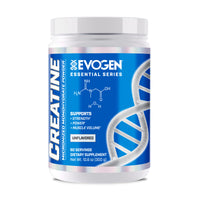
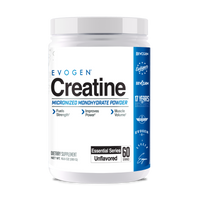
Pairing whey protein with creatine is one of the most effective strategies for supporting muscle growth and strength development. Whey supplies the building blocks for recovery, and creatine helps replenish ATP for improved power output and training performance.
For Improved Overall Recovery
Recovery involves more than muscle tissue alone. Combining whey protein with a high-quality collagen supplement can help support tendons, ligaments, and joints.
Adding casein protein creates a complementary fast-and-slow protein strategy, with whey supporting immediate recovery and casein providing a steady release of amino acids over several hours.
For Post-Workout Recovery
Whey protein paired with fast-digesting carbohydrates helps provide the nutrients needed for muscle repair while replenishing depleted glycogen stores.
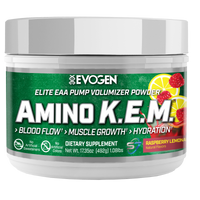
Athletes looking for additional recovery support can add essential amino acids (EAAs), such as Amino K.E.M., to help maintain amino acid availability around training.
Branched-chain amino acids (BCAAs) found in products such as AminoJect can also support demanding training programs.
Make Whey Protein Work Harder for Your Goals
Throughout his career, Hany Rambod, Evogen's founder, aka The Pro Creator, has emphasized mastering the fundamentals that drive long-term progress, but many athletes still spend too much time searching for the perfect supplement schedule and not enough time building repeatable habits.
The reality is that whey protein works best when it supports a consistent nutrition strategy built around quality training, adequate recovery, and sufficient daily protein intake.
Use whey protein strategically, stay consistent with your nutrition, and let disciplined execution compound into results.
Building muscle requires more than protein alone. EvoGreens is a convenient way to increase your intake of nutrient-dense greens, fruits, vegetables, digestive enzymes, and probiotics that help support the healthy foundation you need to perform at your best.