







Here's the TL;DR:
- Cutting is about losing body fat while preserving lean muscle.
- Protein helps support muscle growth and retention and keeps hunger under control.
- Creatine can help maintain strength and performance during calorie deficits.
- Fat burners offer modest support but won’t replace diet discipline.
- Recovery support matters more when calories, energy, and training capacity drop.
- The best cutting stack should match your specific goals and weak points.
The best supplements for cutting won’t burn fat for you, but they can make the process far more effective. A successful cut still comes down to maintaining a calorie deficit, training hard, and protecting muscle mass while body fat comes down.
The right supplements can help support performance, recovery, satiety, hydration, and energy when calories get lower. For many athletes, that includes protein powder, fiber supplements, creatine, amino acids, pre-workout formulas, and thermogenic support.
What Is a Cutting Cycle?
A cutting cycle is a phase where the goal shifts from building size to reducing body fat while holding onto as much lean muscle as possible. Unlike a bulking phase, which typically involves eating in a calorie surplus to support growth, cutting requires a calorie deficit.
That deficit can make training feel harder by increasing hunger, lowering energy, slowing recovery, and raising the risk of muscle loss. That’s why many lifters look for supplements that help preserve performance while calories are lower.
Do You Need Supplements During a Cutting Phase?
No, supplements aren’t required to get lean. Your results will still come down to consistent training, a properly structured calorie deficit, high protein intake, and smart recovery habits.
That said, supplements can make a cut more manageable when training volume stays high, calories get aggressive, or hunger starts working against your plan.
The right products can help fill nutritional gaps, support workout performance, improve recovery, and make it easier to stay consistent when energy and motivation start dipping.
Best Protein Supplements for Cutting Cycle
Protein becomes even more important when calories drop.
During a cut, your body needs enough high-quality protein to help preserve lean muscle tissue while you’re working to reduce body fat. It also helps increase satiety, which makes it easier to stay on track when hunger ramps up.
Protein supplements can simplify your nutrition plan by giving you convenient, lower-calorie options that help you hit your daily intake without adding unnecessary carbs or fats.
Whey Protein Isolate
Whey protein isolate is one of the most effective options during a cut because it delivers fast-digesting protein with minimal carbs, fats, and excess calories. It’s especially useful after training when your muscles need quick amino acid delivery to support recovery.
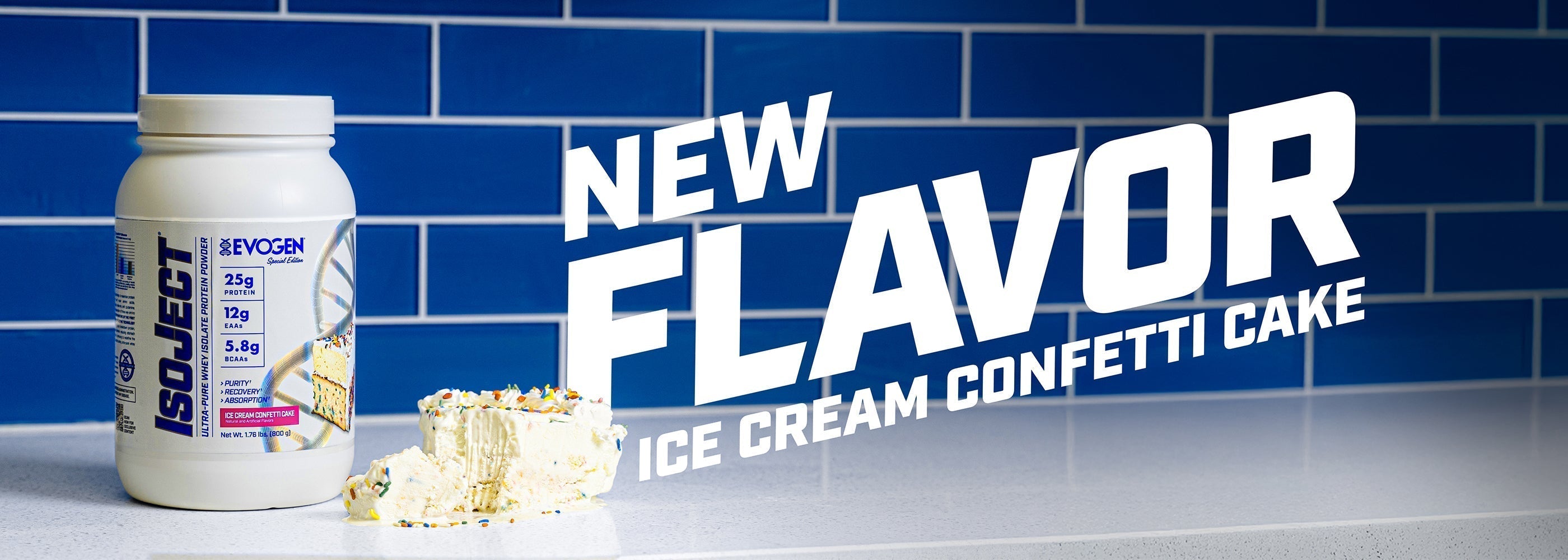
IsoJect Whey Protein Isolate gives you a lean protein source that's designed for athletes who want premium protein without the nutritional extras that can slow cutting progress.
Casein Protein
Casein protein digests more slowly than whey, making it a strong option when you need longer-lasting satiety. Many athletes use casein between meals or before bed to help stay full and support muscle recovery during longer stretches without food.
During aggressive cuts when cravings tend to spike, a slower-digesting protein source can help you stay disciplined without constantly feeling hungry.
Protein Powder Blends
Protein blends offer flexibility when you want more than just fast absorption. By combining multiple protein sources, these formulas can support both immediate recovery and longer-lasting satiety.
They’re especially useful for busy athletes who need a convenient shake between meals or as part of a structured nutrition plan. EvoFusion delivers a versatile option that fits seamlessly into a cutting phase without making your meal prep more complicated.
We know that EvoFusion is a great product, but you don't have to take our word for it. Here's what John F. had to say:
"Absolutely love the vanilla and s’mores flavors. I typically use a blender but it still mixes well by hand or shaker bottle."
What Are the Best Protein and Fiber Supplements for a Cutting Cycle?
One of the biggest challenges during a cut isn’t training; it’s managing hunger while staying consistent in a calorie deficit. That’s why protein and fiber are such a powerful combination.
Protein helps preserve lean muscle, while fiber slows digestion, supports fullness, and helps maintain digestive regularity when overall food intake drops.
Fiber Supplements
If your calories are lower, your overall food volume may drop too, which can make it harder to hit your daily fiber intake.
Fiber supplements such as psyllium husk, inulin, and glucomannan can help improve fullness while supporting digestion. Evogen's Premium Fiber Support Powder can be a practical addition when your meal plan needs extra support to keep hunger under control.
Protein + Fiber Pairing Strategies
This combination works well because it helps you stay fuller for longer without dramatically increasing calories. A protein shake paired with a fiber supplement can be useful between meals, during busy workdays, or when cravings start creeping in.
Many athletes also use this strategy as part of meal replacement plans or higher-volume nutrition approaches to make cutting more sustainable.
Creatine for Cutting: Should You Keep Taking It?
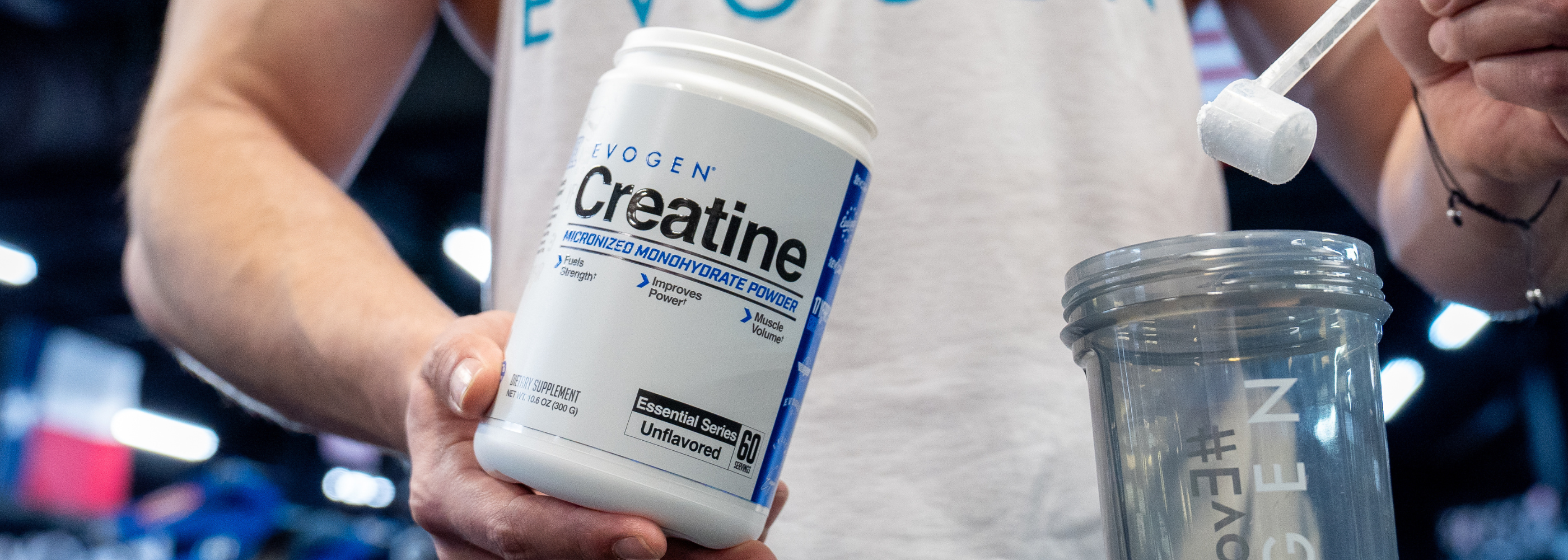
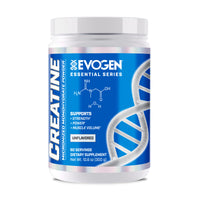
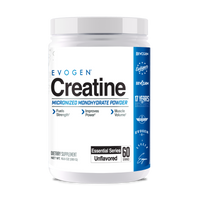
In most cases, yes, you should absolutely keep taking creatine while cutting. Creatine helps support strength output, training performance, muscle retention, and recovery, which becomes even more important when calories are restricted.
Some athletes stop using creatine because they worry about water retention, but that concern is often misunderstood. Creatine primarily pulls water into muscle cells, not under the skin, so it doesn’t automatically make you look softer.
Creatine Monohydrate can help you maintain performance while you work to get leaner. Our creatine formula consistently gets positive reviews. For example, Shawna R. shared this:
"This creatine is definitely a top contender on the market. Its fine consistency(grit) helps ensure that it dissolves in liquid instead of settling at the bottom of the cup. I take every day... No bloating or cramping for me like other brands. Overall high quality supplements!"
Pre-Workout Supplements for Cutting
Training intensity often takes a hit when calories drop. Lower carb intake, reduced energy availability, and overall diet fatigue can make even your normal workouts feel harder than they should. That’s where a well-formulated pre-workout can help.
Ingredients such as caffeine may help improve energy and focus, while citrulline can support blood flow and pumps during training sessions.
Beta-alanine may help improve muscular endurance, and nootropic ingredients can help you stay mentally locked in when motivation starts fading.
The goal isn’t to rely on stimulants; it’s to maintain training quality so you can keep signaling your body to hold onto hard-earned muscle while cutting body fat.
Fat Burners and Thermogenic Supplements: Are They Worth It?
This is where expectations need to stay realistic. Fat burners can support a cutting phase, but they won’t override poor nutrition or inconsistent training.
Most thermogenic supplements work by modestly increasing calorie expenditure, supporting appetite control, or helping improve energy levels during lower-calorie phases.
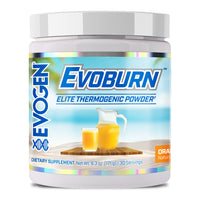
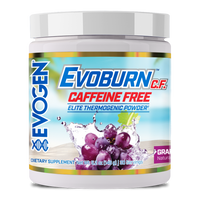
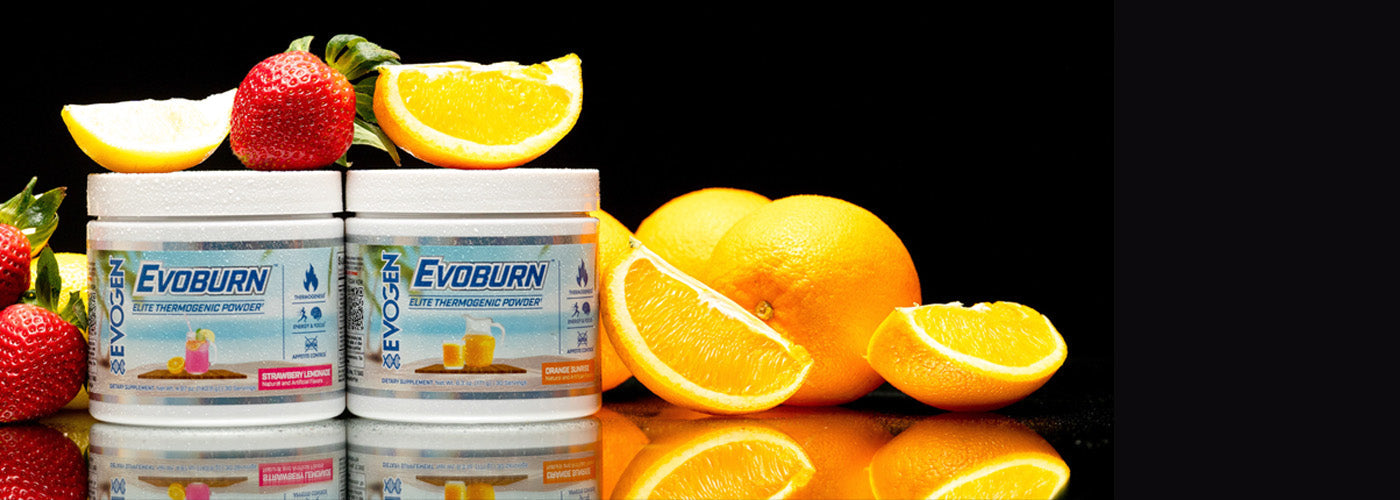
For those who want stimulant-free support, Evoburn Elite Thermogenic Powder can help support fat-loss efforts without adding more stimulants to your routine.
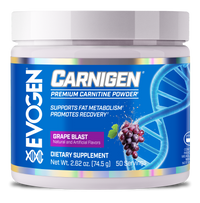
Carnigen is another option often used to support fat metabolism, while Lipocide IR Metabolic Accelerator Powder is designed for athletes and lifters looking for more aggressive metabolic support.
Just remember that supplements can enhance a disciplined cutting plan, but they can’t replace one.
Amino Acids and Workout Recovery Supplements During a Cut
Recovery often feels harder during a calorie deficit. You’re asking your body to train hard while giving it fewer calories to work with, which can increase soreness, fatigue, and performance drop-offs over time.
The right recovery supplements won’t replace sleep, nutrition, or proper programming, but they can help you stay consistent when training volume remains high.
BCAAs and EAAs
When calories are low, amino acid supplements can help support training performance and recovery, especially for athletes training fasted or spacing meals further apart.
BCAAs are commonly used during workouts to help support muscle preservation, while EAAs provide all nine essential amino acids, including leucine, needed for muscle protein synthesis.
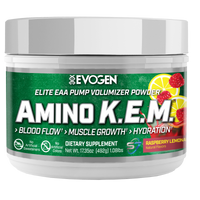
Amino K.E.M. EAA is a strong option for those who want full-spectrum amino support, while AminoJect offers another convenient intra-workout option during demanding cuts.
Glutamine
Glutamine isn’t a direct fat-loss supplement, but it can still be beneficial during aggressive cutting phases.
When training volume is high and recovery demands increase, glutamine may help support muscle recovery and immune health, both of which can take a hit during prolonged calorie restriction.
Evogen's Glutamine can be a useful addition for athletes pushing hard while trying to stay recovered.
Electrolytes
Sweat loss doesn’t disappear just because calories are lower. If you’re doing high-volume training, cardio sessions, or cutting carbohydrates, which can reduce water retention, electrolytes become even more important.
Proper hydration supports muscle contractions, endurance, and recovery. Hydration Full Spectrum Electrolyte Powder helps replenish key minerals so you can continue performing at a high level during demanding cutting phases.
Best Supplements To Support Overall Health When Cutting
Cutting successfully requires making sure your body still gets the vitamins, minerals, and micronutrients it needs to perform well. When calories drop, food variety often shrinks, which can increase the risk of nutritional gaps and deficiencies.
A quality multivitamin such as Evovite can help cover foundational nutrient needs, while EvoGreens can help increase daily micronutrient intake when your diet feels repetitive.
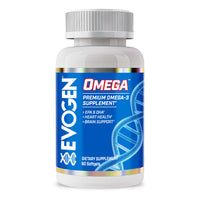
Depending on your training demands, omega-3s, hydration support, and digestive support products may also help keep your body performing at its best while you lean out.
Timing Supplements for Best Results
The best supplement in the world won’t do much if your overall nutrition and training plan are inconsistent, but timing can still help you maximize results.
- Fast-digesting protein is often ideal after training when recovery is a priority.
- Slower-digesting protein may work better between meals or before bed to help manage hunger.
- Pre-workouts are typically used before training sessions when energy is low.
- Amino acids and hydration products can be useful during longer workouts.
- Fiber supplements often work best between meals when appetite control becomes a challenge.
Keep it simple: use supplements when they solve a specific problem in your cut.
Supplements To Avoid During a Cutting Cycle
Not every supplement marketed for fat loss deserves a place in your stack.
Be cautious with overhyped “rapid fat loss” products that promise extreme results with little effort. Many rely on excessive stimulants that can increase jitters, disrupt sleep, and hurt recovery, which becomes a major problem during a calorie deficit.
You should also be wary of proprietary blends that hide ingredient dosages, redundant products that overlap unnecessarily, and supplements that make unrealistic claims about melting fat. If it sounds too good to be true, it usually is.
Your cutting stack should support performance, recovery, and consistency, not create more problems than it solves.
How To Choose the Right Cutting Supplements for Your Goals
The best cutting stack depends on what’s actually limiting your progress.
- If your biggest concern is preserving muscle, prioritize protein and creatine.
- If hunger is making your deficit harder to maintain, fiber supplements and slower-digesting protein may help.
- If your workouts feel flat, pre-workout support and hydration products can help maintain training intensity.
- Recovery-focused athletes may benefit from amino acids, glutamine, and electrolyte support.
For beginners, a simple stack of protein, creatine, and a multivitamin may be enough. More advanced athletes may layer in fiber support, thermogenics, recovery products, and performance supplements based on their specific needs.
Build your stack around your weak points, not hype.
Use the Best Supplements for Cutting for a Smarter Fat-Loss Stack
The best cuts are built on precision, not desperation. Too many athletes slash calories aggressively, pile on cardio, and start throwing random fat burners into their routine when progress slows. That approach usually leads to muscle loss, poor workouts, and burnout.
A smarter cut focuses on protecting performance while gradually reducing body fat. That means keeping protein high, maintaining training intensity, prioritizing recovery, and using supplements that solve real problems such as low energy, hunger, hydration issues, or recovery setbacks.
This is the same performance-first philosophy that helped Hany Rambod coach elite physiques at the highest level: strategic adjustments produce better long-term results than extreme shortcuts.
Build a stack that matches your goals, stay consistent with your nutrition plan, and let discipline do what gimmicks never can.
Want clean energy without the crash during tough cutting workouts? EVP AQ Liquid Glycerol delivers pump support, focus, and performance ingredients without relying on heavy stimulants.