







Here's the TL;DR:
- Whey protein isolate undergoes additional filtration, resulting in higher protein content with less lactose, fat, and carbohydrates than whey concentrate.
- Both forms support muscle growth, but whey isolate is the better choice for cutting, body recomposition, and athletes seeking the leanest protein source.
- Whey concentrate provides excellent value and remains an effective option for bulking or anyone without lactose concerns.
- Look beyond protein grams when choosing a supplement. Ingredient quality, digestibility, and overall formulation matter just as much.
- Pairing whey protein with creatine, hydration, and targeted performance supplements can further improve strength, recovery, and muscle-building results.
Whey isolate vs. concentrate: which is better? The wrong choice won't ruin your results, but the right one can help you recover better, stay leaner, and get more from every serving.
Whey protein isolate contains more protein and less lactose, fat, and carbohydrates because it undergoes additional filtration. Whey concentrate is less processed, more affordable, and retains more naturally occurring milk components.
For serious athletes and physique-focused lifters, those differences matter. Your current goal, whether you're cutting, building muscle, or preparing for competition, should determine which form belongs in your shaker bottle.
How the Two Main Types of Whey Protein Are Produced
Whey is a byproduct of cheese making. Enzymes or acids are added to milk, causing it to separate into solid curds and liquid whey.
The whey is collected, filtered to remove much of the water, lactose, and fat, and then further purified using microfiltration or ultrafiltration to concentrate the protein.
The resulting liquid is pasteurized, spray-dried into a fine powder, and packaged as either whey protein concentrate or isolate, depending on the level of processing.
Although whey protein concentrate and whey protein isolate are the most common forms, whey protein hydrolysate can also be produced.
This form of whey protein undergoes further enzymatic processing to create a "pre-digested" protein, but it's the most expensive option and has a bitter taste.
What's the Difference Between Whey Protein Isolate and Concentrate?
The primary difference between whey isolate and concentrate is how much each is filtered after production. Whey isolate undergoes additional processing to remove more fat and lactose, resulting in a higher protein concentration per serving.
Whey isolate is not inherently a higher-quality protein than whey concentrate. Both originate from whey and provide all nine essential amino acids. The primary differences are protein concentration, lactose content, and overall macronutrient profile.
|
Feature |
Whey Protein Isolate |
Whey Protein Concentrate |
|
Protein Content |
Typically 90% or more |
Typically 70 to 80% |
|
Lactose |
Very low |
Higher |
|
Fat & Carbohydrates |
Minimal; often less than 1 gram of each per serving |
Slightly higher; typically 1–3 grams of each per serving |
|
Calories |
Lower; ~100–120 calories per serving |
Slightly higher; ~120–140 calories per serving |
|
Cost |
Higher |
More affordable |
|
Best for |
Cutting, lactose sensitivity, lean muscle goals |
Everyday use, bulking, value |
Processing
Both forms begin as liquid whey collected as a byproduct of the cheese-making process, but whey isolate undergoes additional filtration.
Advanced techniques such as cross-flow microfiltration or ultrafiltration remove more lactose, fat, and other non-protein compounds while preserving the amino acid profile.
Whey concentrate requires less processing, leaving more naturally occurring milk components intact.
Protein Content
Whey protein isolate typically contains at least 90% protein by weight, while whey concentrate generally contains between 70% and 80%. Because isolate contains less fat and lactose, each scoop delivers more protein and fewer calories.
Absorption and Digestion Speed
Both whey isolate and concentrate digest rapidly compared to other protein sources, making either an excellent post-workout choice.
Whey isolate may absorb slightly faster because it contains less fat and lactose, but the difference is small and unlikely to affect muscle protein synthesis or recovery for most lifters.
Lactose, Mineral, Carbohydrate, and Fat Content
The additional filtration used to produce whey isolate significantly reduces lactose, fat, and carbohydrates while also removing some naturally occurring milk minerals, such as calcium, magnesium, and potassium.
Whey concentrate retains more of these components, giving it a slightly richer nutritional profile but making it less suitable for those sensitive to lactose.
Solubility, Taste, and Texture
Whey isolate typically mixes more easily in water and produces a thinner, cleaner protein shake with less foam. Whey concentrate often has a creamier texture and fuller dairy flavor because it retains more milk fat and lactose.
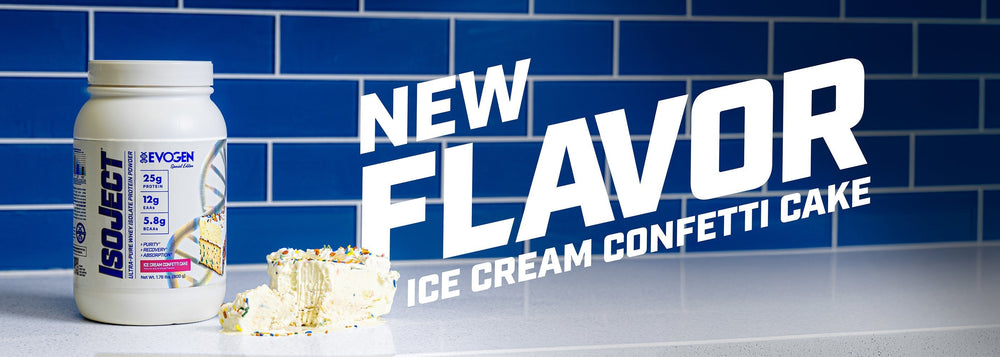
Taste ultimately depends on the product's formulation and flavoring ingredients. For instance, IsoJect was specially formulated by 25x Olympia-winning coach Hany Rambod with a triple cold-filtration process and comes in over 18 delicious flavors.
IsoJect reviews speak for themselves. See what Hashim B., a verified user of IsoJect, recently shared:
"I recently purchased IsoJect Whey Isolate from Evogen, and I am very impressed with the quality. The protein mixes easily without clumps, tastes great, and is easy to digest. It provides a high-quality source of protein that supports my workout recovery and fitness goals.
I also appreciate the clean ingredient profile and the fact that it doesn't leave a heavy feeling after drinking it. The flavor is excellent, and the overall product quality meets the high standards I expect from Evogen."
Cost
Because it requires additional filtration and processing, whey isolate is usually more expensive than whey concentrate.
For many lifters, concentrate provides excellent nutritional value, but isolate is often worth the extra expense for those prioritizing maximum protein, lower calories, or minimal lactose.
Pros and Cons of Whey Isolate and Whey Concentrate
Both forms of whey protein are effective, complete protein sources that can support muscle growth, recovery, and athletic performance. The right choice depends on your goals, budget, digestion, and overall nutrition plan.
Benefits of Whey Protein Isolate
- Delivers approximately 90% or more protein by weight.
- Lower in calories, carbohydrates, and fat.
- Contains very little lactose.
- Provides a fast-digesting source of essential amino acids.
- Makes it easier to increase daily protein intake without significantly affecting calorie or macronutrient targets.
- Mixes smoothly and typically has a lighter texture.
Drawbacks of Whey Isolate
- Typically costs more.
- May offer little practical advantage for muscle growth when total daily protein intake is adequate.
- Often has a thinner texture that some users find less satisfying.
- Contains fewer naturally occurring milk compounds.
- Not always the best value for athletes in a calorie surplus or mass-gaining phase.
Benefits of Whey Protein Concentrate
- More affordable than whey isolate.
- Provides a complete protein source rich in all essential amino acids, including leucine.
- Naturally contains small amounts of healthy fats and carbohydrates that lend a creamier taste and texture.
- Excellent option for bulking phases and general muscle-building programs.
- Works well for most healthy individuals who tolerate dairy products.
- Often offers exceptional value on a cost-per-serving basis.
Drawbacks of Whey Concentrate
- Contains more lactose.
- Provides fewer grams of protein per serving.
- Includes slightly more fat, carbohydrates, and calories.
- May not fit as easily into aggressive cutting diets or contest preparation.
- Mixes into a thicker shake that some users dislike.
Is Whey Isolate or Concentrate Better for Muscle Growth?
Both whey protein isolate and concentrate effectively support muscle growth because they provide all nine essential amino acids and are naturally rich in leucine, the key amino acid that stimulates muscle protein synthesis.
However, whey isolate has the edge for serious athletes and physique-focused lifters. Its higher protein concentration, faster absorption, and lower calorie, carb, and fat content make it easier to maximize daily protein intake while staying lean.
During a cutting phase, isolate is generally the better choice because it delivers more protein per calorie, helping preserve muscle mass while maintaining a calorie deficit.
Choosing Between Whey Protein Isolate and Whey Protein Concentrate
The best choice depends on your goals, budget, digestive tolerance, and nutrition plan.
Choose a high-quality whey protein isolate if your priority is maximizing protein intake with fewer calories, carbohydrates, fat, and lactose. Whey concentrate is a solid option if you're looking for a more budget-friendly protein and tolerate dairy well.
Before buying, compare the protein per serving, ingredient list, added sugars, artificial fillers, third-party testing, digestibility, and how well the formula aligns with your training goals, recovery needs, and nutrition plan.
Is Whey Isolate Worth the Extra Cost?
For many serious athletes, yes. If you're cutting, preparing for competition, tracking macros closely, or have difficulty digesting lactose, whey isolate's higher protein concentration and leaner nutritional profile can justify the additional cost.
Who Should Choose Whey Isolate?
Whey isolate is the better choice for:
- Athletes in a calorie deficit.
- Physique competitors during contest prep.
- People with lactose intolerance.
- Lifters who want maximum protein with minimal carbohydrates and fat.
- Anyone prioritizing lean muscle while closely managing daily macronutrients.
Who Should Choose Whey Concentrate?
Whey concentrate is the better choice for:
- Budget-conscious lifters.
- Beginners building a consistent nutrition routine.
- Athletes focused on gaining size during a bulk.
- Individuals without lactose sensitivity.
- Anyone seeking a high-quality protein source with exceptional value per serving.
Which Whey Protein Should I Buy if I Want the Leanest, Cleanest Option?
If your goal is maximum protein with minimal carbs, fat, and lactose, Evogen's IsoJect is an outstanding choice.
Formulated with premium, triple cold-filtered whey protein isolate, IsoJect delivers 25 grams of protein per serving with no fillers and virtually zero fat to support lean muscle growth, recovery, and body recomposition without excess calories.
It's an ideal option for athletes, competitors, and anyone committed to building quality muscle while staying lean.
Stacking Strategically for Performance and Muscle Growth
Whey protein supplements are only one component of an effective performance nutrition strategy.
Pairing whey protein with evidence-based supplements can improve strength, recovery, hydration, training intensity, and your ability to consistently build lean muscle.
Creatine Monohydrate
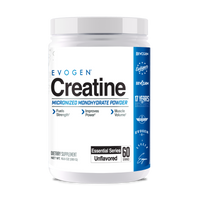
Adding a quality creatine monohydrate to your daily routine is one of the simplest ways to improve performance.
Creatine helps replenish ATP, increasing strength, power output, and training volume while supporting greater long-term muscle growth when combined with progressive resistance training.
EAAs and BCAAs
Although whey protein already supplies all essential amino acids, EAAs and BCAAs can still be valuable around training, especially when workouts are long or performed fasted.
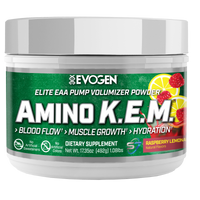
Amino K.E.M. contains a full spectrum of EAAs and BCAAs to support hydration, endurance, recovery, and muscle protein synthesis throughout demanding training sessions.
Post-Workout Formula
Recovery begins as soon as your workout ends. Pairing whey protein with a comprehensive post-workout formula that supplies creatine, amino acids, and recovery-supporting ingredients helps replenish nutrients, support muscle repair, and prepare your body for the next high-intensity training session.
Evogen's Cell K.E.M. is designed specifically for this purpose.
Carbohydrates
Carbohydrates remain one of the most important nutrients for serious training. They replenish muscle glycogen, sustain high-intensity performance, and help support recovery after demanding workouts.
Pairing whey protein with an appropriate carbohydrate source after training can further enhance glycogen restoration and create a more anabolic environment for muscle growth.
Whey Protein Isolate vs. Concentrate: The Form You Choose Matters
For casual gym-goers, whey concentrate can certainly support muscle growth, but for athletes who demand maximum protein, tighter macronutrient control, and the leanest possible nutrition, whey isolate is the clear choice.
Every gram of protein, every calorie, and every recovery session contributes to long-term progress.
That relentless attention to detail is the philosophy behind Evogen and its founder, "The Pro Creator" Hany Rambod. When your goal is to build championship-level physiques, small advantages consistently applied become appreciable results.
Protein supports recovery, but hydration supports nearly every step of the muscle-building process. Pair your daily whey protein with Hydration Full Spectrum Electrolyte Powder to replace essential electrolytes, promote optimal hydration, and help you perform at your best.