











Here's the TL;DR:
- Amino acids are the building blocks of protein and are essential for muscle growth, recovery, and overall health.
- All nine essential amino acids (EAAs) are required to maximize muscle protein synthesis.
- Whole-food protein should be your foundation, with EAA supplements providing targeted support around training.
- EAAs are more complete than BCAAs because they supply everything needed to build new muscle protein.
- Strategic amino acid intake helps optimize recovery, performance, and long-term muscle development.
Muscle isn't built while you're lifting. It's built during recovery, and amino acids are an essential part of that process. So, what are amino acids exactly?
They're the compounds your body uses to build proteins that drive muscle growth, recovery, and nearly every biological process. In essence, they're the raw materials that repair muscle, support muscle protein synthesis, and help your body adapt to training.
Whether your goal is building size, improving performance, or recovering faster between workouts, understanding how they work can help you get more from your nutrition, your workouts, and your amino acid supplements.
What Are Amino Acids and What Do They Do in the Body?
Every muscle contraction, repair process, enzyme reaction, and recovery adaptation depends on amino acids.
These small compounds do far more than build muscle. They support countless biological functions while providing the raw materials your body needs to repair tissue, produce hormones, maintain metabolism, and adapt to training.
Amino Acids: The Building Blocks of Proteins
Amino acids are organic compounds composed of carbon, hydrogen, oxygen, nitrogen, and sometimes sulfur.
Every amino acid contains a central carbon atom, an amino group, a carboxylic acid group, a hydrogen atom, and a unique side chain known as an R-group that determines its structure and function.
Although only 20 amino acids are used to build proteins in the human body, those 20 can be arranged in virtually endless combinations to create thousands of different proteins.
When you eat protein-rich foods, your digestive system breaks them down into individual amino acids and small peptides. Then, those amino acids combine in specific sequences based on your body's needs.
Some become contractile proteins such as actin and myosin that power muscle movement, while others form enzymes, hormones, transport proteins, antibodies, and connective tissues.
Amino acids also contribute to energy metabolism, cellular signaling, and countless biochemical reactions that help your body function properly.
The Many Roles of Amino Acids in the Body
While amino acids are best known for supporting muscle growth, their responsibilities extend throughout nearly every system in the body.
- They help produce enzymes that drive metabolic reactions, hormones that regulate physiological processes, neurotransmitters that support communication between nerve cells, and antibodies that help defend against illness.
- Amino acids help maintain skin and connective tissue, bones, internal organs, and other tissues by continually replacing worn or damaged proteins.
- Certain amino acids help transport nutrients, regulate fluid balance, support immune function, and contribute to energy production during prolonged exercise.
How Amino Acids Support Muscle Protein Synthesis
Amino acids are the foundation of muscle protein synthesis (MPS), the process of repairing and building new muscle proteins after training.
Resistance exercise creates microscopic damage to muscle fibers, which temporarily increases both muscle protein breakdown and the demand for amino acids needed to rebuild stronger tissue.
Essential amino acids, particularly leucine, are necessary for stimulating MPS. Leucine acts as a signaling molecule that helps activate the cellular pathways responsible for initiating muscle repair.
However, leucine alone cannot complete the job. All nine essential amino acids must be available to construct new muscle proteins efficiently.
Consuming adequate high-quality protein or a complete essential amino acid formula around training helps shift the balance toward muscle repair rather than breakdown to support recovery, adaptation, and long-term increases in lean muscle mass.
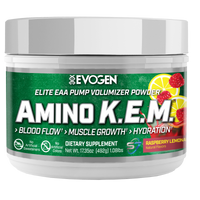
For serious athletes looking for a formula containing the full spectrum of EAAs and BCAAs as well as hydration and volumizing support, Amino K.E.M. by Evogen is an excellent choice.
Users of our EAA formula consistently praise both the flavors and the results they see. For example, Ricardo S. had this to say:
"Fuels my workout and muscle growth perfectly."
Types of Amino Acids: Essential vs. Nonessential vs. Conditionally Essential
Amino acids are classified into three categories based on whether your body can produce them on its own, and each group is uniquely important for health, performance, and muscle growth.
The 9 Essential Amino Acids
Essential amino acids (EAAs), sometimes referred to as indispensable amino acids, cannot be synthesized by the body in sufficient amounts, so they must come from your diet or supplementation.
All nine are required for muscle protein synthesis, tissue repair, enzyme production, and numerous metabolic processes. A deficiency in even one EAA can limit your body's ability to build new proteins efficiently.
- Histidine: Supports growth, tissue repair, immune function, digestion, and the production of histamine.
- Isoleucine: Helps regulate energy production, muscle metabolism, and blood sugar while supporting recovery and the production of hemoglobin.
- Leucine: The primary trigger for muscle protein synthesis and one of the most important amino acids for muscle growth.
- Lysine: Essential for collagen formation, calcium absorption, immune health, and tissue repair.
- Methionine: Supports protein synthesis, methylation, antioxidant production, healthy metabolism, and the absorption of minerals such as zinc and selenium.
- Phenylalanine: Serves as a precursor for neurotransmitters involved in focus, mood, and cognitive function.
- Threonine: Contributes to collagen, elastin, connective tissue, and immune health.
- Tryptophan: Required for the production of serotonin, melatonin, and niacin.
- Valine: Supports muscle recovery, endurance, and energy production during exercise.
Nonessential Amino Acids
Nonessential amino acids differ from essential amino acids because your body can produce them from other amino acids and metabolic compounds, even when dietary intake is limited. That, however, doesn't make them less important.
They remain critical for protein synthesis, metabolism, and overall health, but they typically don't need to be consumed directly through food.
Examples include alanine, asparagine, aspartic acid, and glutamic acid. These amino acids participate in energy metabolism, nitrogen transport, neurotransmitter production, and numerous cellular functions.
Conditionally Essential Amino Acids
Conditionally essential amino acids are normally produced by the body but may become essential during periods of increased demand, such as intense training, injury, illness, surgery, severe stress, or rapid growth, which can increase requirements beyond what the body can manufacture.
Conditional amino acids include:
- Arginine: Supports nitric oxide production, blood flow, and wound healing.
- Cysteine: Contributes to antioxidant defense through glutathione production.
- Glutamine: Fuels immune cells and supports intestinal health and recovery.
- Glycine: Helps form collagen, connective tissue, and creatine.
- Proline: Essential for collagen synthesis and tissue repair.
- Serine: Supports cell membranes, nervous system function, and metabolism.
- Tyrosine: Serves as a precursor for dopamine, norepinephrine, and thyroid hormones.
EAAs vs. BCAAs
EAAs and BCAAs are both popular supplements, but there is a difference.
- Branched-chain amino acids (BCAAs) consist of just three essential amino acids: leucine, isoleucine, and valine. BCAAs, especially leucine, help stimulate muscle protein synthesis, but they don't provide all the building blocks needed to complete the process.
- Essential amino acid (EAA) supplements deliver all nine essential amino acids, which means they're a more complete option for supporting muscle growth, recovery, and adaptation after training.
Food Sources vs. Amino Acid Supplementation
Whole foods should form the foundation of your amino acid intake, but supplementation can provide targeted support when training demands increase.
For athletes pursuing maximum muscle growth, performance, and recovery, combining a high-protein diet with strategically timed amino acid supplements can help ensure your muscles have the building blocks they need when they need them most.
Dietary Sources of Amino Acids
Animal-based proteins such as lean beef, chicken, turkey, fish, eggs, and dairy are complete proteins that naturally provide all nine essential amino acids.
Plant-based sources such as soy, quinoa, buckwheat, beans, lentils, tofu, nuts, and seeds also contribute valuable amino acids, but many are incomplete proteins.
To maximize amino acid benefits, consume complete proteins containing all nine essential amino acids. Those following a vegetarian or vegan diet can still obtain all EAAs by eating a variety of foods throughout the day.
Which Amino Acid Supplements Help With Muscle Growth and Recovery?
Free-form essential amino acid supplements are rapidly absorbed, making them an effective way to support muscle protein synthesis before, during, and after training.
Because they provide all nine EAAs, they offer more complete support than BCAA-only products.
If your goal is maximizing muscle growth and recovery, consider:
- Amino K.E.M.: A complete essential amino acid formula designed to stimulate muscle protein synthesis, improve recovery, and support lean muscle growth.
- Amino K.E.M. Naturally Sweetened: The same comprehensive EAA profile with a naturally sweetened formula for those who prefer an alternative to artificial sweeteners.
- AminoJect: Convenient amino acid support that makes it easy to fuel recovery and maintain amino acid availability around workouts or throughout the day.
Are Amino Acids Better Than Protein Powder?
Neither is inherently better because they serve different purposes. Protein powders, such as IsoJect, provide complete proteins that digest into amino acids over time while also helping you meet your daily protein goals.
Free-form amino acid supplements are absorbed more quickly, making them ideal for delivering essential amino acids around training to support muscle protein synthesis and recovery.
When To Supplement With Amino Acids
Amino acid supplements are most beneficial when training hard, dieting, or training fasted and when whole-food protein is not practical.
Taking a complete EAA formula before, during, or after workouts helps ensure your muscles have the essential amino acids needed to maximize muscle protein synthesis, accelerate recovery, and support consistent progress from every training session.
Train Hard. Recover Smarter. Grow Consistently.
Building muscle is about much more than lifting heavier weights or spending more time in the gym. Progress comes from consistently giving your body the raw materials it needs to adapt to training, recover efficiently, and build new muscle tissue.
Known for helping athletes maximize every aspect of training, nutrition, and recovery, Hany Rambod, Evogen's founder, has always emphasized that exceptional physiques are built by mastering the fundamentals and executing them consistently.
When your nutrition matches the intensity of your training, every workout becomes another opportunity to move closer to your goals.
Recovery doesn't stop when your workout ends.
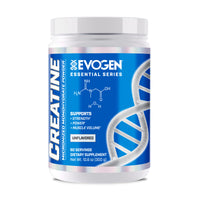
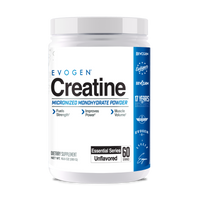
Pair a strong amino acid and protein strategy with Evogen's Creatine Monohydrate to support strength, training performance, power output, and long-term lean muscle growth so you can get more from every session and every rep.