









Here's the TL;DR:
- Berberine is the most impactful supplement for increasing GLP-1 and improving glucose metabolism.
- Fiber, prebiotics, and probiotics enhance satiety by supporting gut-driven GLP-1 release.
- Strategic supplementation timing can amplify appetite control.
- Whole foods such as protein, fiber, and fermented options naturally support GLP-1 production.
- Supplements work best when paired with consistent training, sleep, and nutrition habits.
If you’re serious about fat loss, appetite control, and metabolic efficiency, dialing in supplements that increase GLP-1 levels can give you a measurable edge.
The most effective options include berberine, fiber, prebiotics, probiotics, and apple cider vinegar, all of which support satiety and blood sugar control through natural pathways.
When combined with smart training and diet management, these tools help you stay consistent, leaner, and more in control of your results.
How GLP-1 Supports Weight Loss
GLP-1 (glucagon-like peptide-1) is a hormone released in the gut in response to food intake that directly impacts appetite regulation and metabolic control. It slows gastric emptying, helping you feel fuller for longer, while signaling the brain to reduce hunger and calorie intake.
GLP-1 also enhances insulin secretion and improves blood sugar control, creating a more efficient environment for fat loss and sustained energy during training.
Supplements That Boost GLP-1 Naturally
If you want to elevate fat loss, appetite control, and metabolic efficiency, certain natural alternatives to GLP-1 medications can help amplify your body’s natural GLP-1 response.
The best supplements that increase GLP-1 include berberine, prebiotics, probiotics, fiber, and apple cider vinegar, with additional support from compounds such as capsaicin, curcumin, and ginseng for targeted metabolic benefits.
At a Glance
The most popular supplements that increase GLP-1, such as berberine, prebiotics, probiotics, and fiber, are considered more effective than supplements such as ginseng and capsaicin, which need more human studies to determine their influence on GLP-1 levels.
Here's a quick look at the top supplements for increasing GLP-1 levels, compared and ranked from most effective to least effective:
|
Supplement |
Best For |
Key Benefit |
|
Berberine |
Blood sugar control, fat loss |
Strongest GLP-1 and AMPK activation |
|
Fiber (Psyllium) |
Appetite control |
Slows digestion, increases satiety hormones |
|
Prebiotics & Probiotics |
Gut health |
Enhances GLP-1 secretion via microbiome |
|
Apple Cider Vinegar |
Blood sugar balance |
Improves insulin sensitivity and satiety |
|
Curcumin |
Inflammation control |
Supports metabolic signaling pathways |
|
Capsaicin |
Thermogenesis |
May enhance satiety and calorie burn |
|
Ginseng |
Energy and glucose metabolism |
Mild support for GLP-1 and insulin response |
Berberine
Berberine is considered to be the most powerful natural GLP-1 enhancer due to its ability to activate AMPK (AMP-activated protein kinase), a key regulator of energy balance and glucose metabolism.
It helps improve insulin sensitivity while increasing GLP-1 secretion, making it a high-impact addition for body recomposition.
For best results, take 500 mg 2–3 times daily with high-carb meals. Evolog by Evogen was designed by "The Pro Creator" Hany Rambod with improved bioavailability of berberine in mind and comes highly recommended.
Here’s one example of our customer experiences with Evolog. Jason O. recently shared:
"The best product for when I periodically have a cheat meal it helps process all the bad stuff faster then I don’t feel as guilty! Love all the products with Evogen wish I would’ve found them sooner!"
Prebiotics and Probiotics
A well-balanced gut microbiome directly influences GLP-1 production, which makes prebiotics and probiotics essential for long-term metabolic health. Beneficial bacteria help ferment fibers into short-chain fatty acids, which stimulate GLP-1 release.
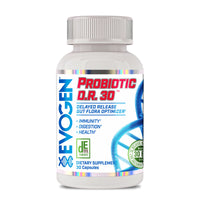
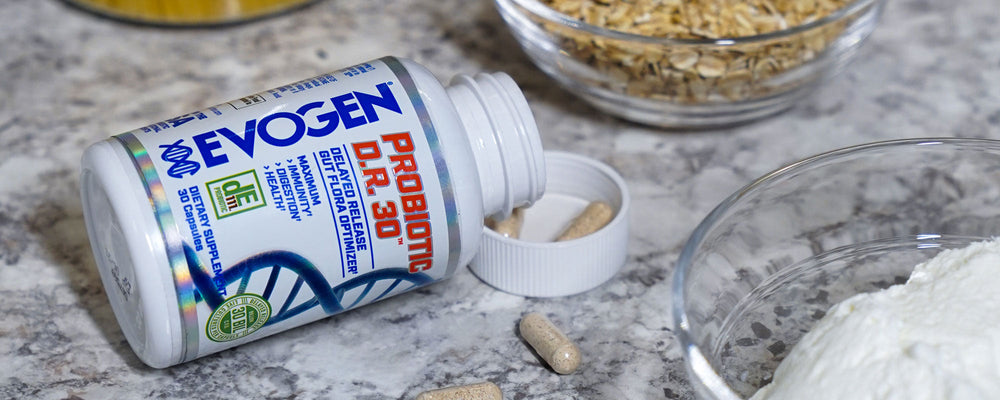
Daily use of a high-quality formula such as Evogen’s Probiotic D.R. 30 supports digestion and hormone signaling. Prioritize consistent daily intake, preferably with meals, to build and maintain gut integrity.
Fiber
Dietary fiber, especially psyllium husk, slows gastric emptying and enhances satiety signals. It helps regulate blood sugar and reduces overall calorie intake without sacrificing performance.
Soluble fiber is broken down by gut bacteria into short-chain fatty acids (SCFAs) such as acetate, propionate, and butyrate. These SCFAs activate FFAR2 and FFAR3 receptors, which stimulate GLP-1 release.
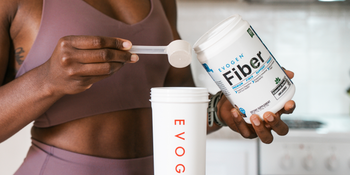
Supplement with 5–10 grams of fiber before meals, particularly higher-carb meals. Evogen Fiber makes it easy to stay consistent and support both digestion and appetite control.
Customer responses speak for themselves. Check out what Corrine B., a verified buyer, had to say about Evogen Fiber:
"Liked this so much I decided to set a subscription! This has really helped me with my digestion!"
Apple Cider Vinegar
Apple cider vinegar (ACV) supports GLP-1 indirectly by improving insulin sensitivity and slowing digestion, leading to better appetite control. It can reduce post-meal blood sugar spikes, which helps maintain a more stable metabolic environment.
Take 1–2 tablespoons diluted in water before meals, especially carb-heavy ones.
Curcumin
Curcumin supports GLP-1 activity by reducing inflammation and improving insulin signaling. While not a direct stimulator, it enhances the environment needed for optimal hormone function and can be a strong addition to a comprehensive performance and recovery stack.
For best absorption, take 500–1,000 mg daily with black pepper extract (piperine or BioPerine).
Capsaicin
Capsaicin, the active compound in chili peppers, promotes thermogenesis and may enhance GLP-1-related satiety signaling. It increases calorie expenditure while slightly reducing appetite, making it useful during fat-loss phases.
Effective dosing typically ranges from 2–10 mg of capsaicin extract per day. It’s best taken with meals to support digestion and maximize its impact without gastrointestinal discomfort.
Gingseng
Ginseng provides mild support for GLP-1 levels by improving glucose metabolism and insulin response. While less potent than other options, it can enhance energy, endurance, and metabolic balance.
A typical dose ranges from 200–400 mg of standardized extract daily. It works best as a complementary ingredient rather than a primary driver of GLP-1 elevation, especially in performance-focused stacks.
GLP-1 Supplements: Safety and Side Effects
Most supplements that support GLP-1 are safe when used as directed. Berberine is generally well-tolerated, though some people experience mild gastrointestinal upset initially. Taking it with food minimizes this.
If you're on blood sugar medications or have type 2 diabetes, consult your physician or dietitian before adding berberine.
Fiber supplements can cause bloating, gas, and cramping, though this typically resolves as the gut adjusts. Gradually increasing intake and staying hydrated prevent most issues.
Prebiotics and probiotics rarely cause problems beyond temporary digestive changes as your microbiome adjusts. ACV, curcumin, capsaicin, and ginseng can cause mild digestive upset, but this isn't common.
*None of these supplements replaces medical treatment for obesity, type 2 diabetes, metabolic syndrome, or other metabolic conditions.
How To Increase GLP-1 Naturally
To naturally boost GLP-1 levels, focus on improving gut health, stabilizing blood sugar, and optimizing digestion speed. This means prioritizing fiber-rich foods, quality protein, and fermented foods while strategically using supplements such as berberine and probiotics.
Pair this with consistent training, slower eating habits, and proper sleep to create the metabolic environment needed for stronger GLP-1 signaling and weight management.
Strategies To Support GLP-1 Production
Maximizing GLP-1 is all about stacking the right habits to create a metabolic environment that consistently supports appetite control and nutrient utilization.
When training, nutrition, and supplementation align, your body becomes significantly more efficient at regulating hunger, blood sugar, and fat loss.
Supplement Strategically
Use supplements with intent, not randomly. Take berberine alongside higher-carb meals to improve glucose handling and amplify GLP-1 response. Consume fiber or a fast-digesting whey isolate before meals to slow gastric emptying and increase satiety.
Stay consistent daily, and track appetite, energy, and body composition over several weeks to gauge effectiveness and adjust dosing.
Increase Daily Exercise
Regular training directly enhances GLP-1 secretion and improves insulin sensitivity, making your body more responsive to nutrients. Resistance training combined with steady-state or interval cardio creates the strongest effect.
Start with 4–5 sessions per week, prioritizing intensity and consistency. Even low-intensity movement, such as walking post-meal, can support glucose control and appetite regulation.
Focus on Eating Slowly
Slowing down your eating pace gives your body time to release GLP-1 and other satiety hormones before overeating occurs. Rapid eating bypasses these signals, leading to excess calorie intake.
Focus on controlled bites, thorough chewing, and minimizing distractions during meals.
Create a Healthy Gut Environment
A healthier gut produces more short-chain fatty acids, which directly increase GLP-1 levels. Prioritize prebiotic fibers, probiotic-rich foods, and targeted supplementation to improve bacterial diversity.
Consistency here pays off in better digestion, reduced inflammation, and stronger metabolic signaling over time.
Reduce Stress Levels
Chronic stress disrupts hormone balance, including those responsible for appetite and blood sugar regulation. Elevated cortisol can blunt GLP-1 signaling and increase cravings, especially for high-calorie foods.
Focus on incorporating stress management strategies such as structured training, breathwork, or short recovery sessions.
Prioritize High-Quality Sleep
Sleep is one of the most underrated drivers of GLP-1 function and appetite control. Poor sleep reduces satiety signaling and increases hunger hormones, making fat loss significantly harder.
Your goal should be 7–9 hours of uninterrupted, high-quality sleep each night. This will help reinforce everything else in your performance plan.
Foods That Increase GLP-1
Dialing in your food choices is one of the most effective ways to naturally elevate GLP-1. The right foods slow digestion, improve gut health, and enhance satiety signals, giving you a measurable edge in fat loss and performance.
Foods Rich in Fiber and Prebiotics
Fiber-rich and prebiotic foods directly stimulate GLP-1 by slowing digestion, increasing short-chain fatty acid production, and feeding beneficial gut bacteria. Focus on foods such as oats, lentils, chickpeas, asparagus, onions, garlic, and green bananas.
Consistently hitting fiber targets improves fullness, stabilizes blood sugar, and supports long-term metabolic efficiency.
High-Quality Sources of Protein
Protein enhances GLP-1 release while supporting muscle retention and recovery. Prioritize lean animal sources such as chicken, turkey, eggs, and fish, along with plant-based options such as tofu, tempeh, and legumes.
For convenience and precision, IsoJect Whey Protein Isolate is a fast-digesting option that helps increase satiety before meals while delivering high-quality amino acids to support performance and body composition.
Healthy Fats
Healthy fats help slow gastric emptying and extend feelings of fullness, indirectly supporting GLP-1 activity.
Include sources such as avocados, olive oil, nuts, seeds, and fatty fish such as salmon. These fats improve hormonal balance and nutrient absorption while keeping hunger controlled between meals.
The key is moderation. Use fats strategically to enhance fullness without overshooting calorie targets.
Fermented Foods and Probiotics
Fermented foods introduce beneficial bacteria that support gut health and GLP-1 production. Regularly include options such as Greek yogurt, kefir, sauerkraut, kimchi, and kombucha.
These foods improve microbiome diversity, which enhances short-chain fatty acid production and hormone signaling. Consistent intake helps improve digestion, reduce inflammation, and create a stronger foundation for appetite regulation.
Dark Chocolate
Dark chocolate, particularly varieties with 70% or higher cocoa content, may support GLP-1 through its polyphenol and antioxidant content and effects on gut bacteria. It can help improve insulin sensitivity and reduce cravings when used strategically.
Stick to small portions to avoid adding excessive calories to your daily intake.
Supplements That Increase GLP-1 vs. GLP-1 Medications
GLP-1 supplements and GLP-1 medications operate on the same pathway but at very different levels of impact.
Supplements such as berberine, fiber, and probiotics affect GLP-1 production naturally, creating gradual, sustainable improvements in appetite regulation and metabolism. Prescription GLP-1 medications, however, deliver a potent, direct effect on satiety and blood sugar.
What Supplements Should I Take With GLP-1 Medications To Enhance Results?
When using GLP-1 medications, the goal is to support nutrient intake, preserve muscle, and maintain metabolic output.
- Prioritize a high-quality whey isolate such as IsoJect to maintain protein intake despite reduced appetite.
- Add fiber to support digestion and satiety, and a probiotic to stabilize gut health.
- Berberine can further improve glucose control when used strategically with meals.
Keep dosing moderate and consistent to complement, not compete with, the medication’s effects.
A Performance-Driven Approach to GLP-1 Optimization
Optimizing GLP-1 doesn't automatically mean chasing extremes. It’s simply about building a system your body can sustain and perform on.
When you combine targeted supplementation with disciplined nutrition and training, you create a feedback loop that drives consistent fat loss and appetite control.
This is the same performance-first mindset that Hany Rambod has built into Evogen from day one: precision, consistency, and results that compound over time.
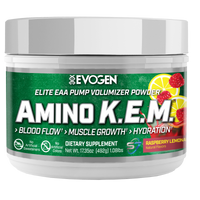
To help control appetite while supporting recovery and performance, try adding a high-quality EAA formula such as Evogen Amino K.E.M. It’s a simple way to stay anabolic, hydrated, and performance-ready while dialing in your physique.