















Last Updated: January 2026
Key Takeaways
- EAA vs BCAA is not an either-or decision when performance and recovery matter.
- Essential amino acids provide the full building blocks required for muscle protein synthesis.
- Branched-chain amino acids play a targeted role in reducing muscle breakdown and fatigue.
- Timing and training style determine whether EAAs, BCAAs, or both make the most sense.
- Strategic stacking allows athletes to support strength, endurance, and disciplined growth.
Is one worthless if the other doesn’t exist? Must you have all of the essential amino acids in order to maximize your results? What’s the real difference between BCAA and EAA supplements?
EAA vs BCAA is one of those debates that refuses to die, mostly because it gets framed the wrong way. Walk into any gym, and you’ll hear people arguing sides like it’s politics. EAAs are better. No, BCAAs are enough. The truth is simpler and more useful than that.
These are not competing supplements. They are different tools. Essential amino acids and branched-chain amino acids affect the body in different ways, at different times, during a workout, and across the training day. If you understand what each does and how high-quality amino acid supplements are actually formulated, the confusion disappears fast.
If you do not, you end up throwing money at an amino acid supplement that does not match your training, your nutrition, or your recovery needs.
What Are Essential Amino Acids (EAA) and Why Do They Matter?
Essential amino acids are exactly what the name implies. They are essential. Your body cannot make them, and without them, muscle growth does not happen. Protein synthesis does not complete. Recovery slows down.
EAAs contain all nine essential amino acids your body needs to build and repair muscle tissue. When you take EAAs, you are supplying the full set of building blocks required to stimulate muscle protein synthesis from start to finish. Miss even one, and the process stalls.
This is why EAAs are often compared to whey protein. Both provide a complete amino acid profile. The difference is speed and digestion. Free-form essential amino acids absorb quickly, making them useful around workouts when heavy protein digestion is not ideal.
EAAs vs Whey Protein During Training Windows
Whey protein earns its place in a solid nutrition plan, but it is not always the best tool during training itself. Whole protein sources, including whey, typically take 30 to 60 minutes to digest and enter circulation.
Free-form amino acids move much faster. EAAs and BCAAs can begin circulating within 15 to 20 minutes. That speed makes them more practical during workouts or immediately before training, when heavy digestion can interfere with performance.
This is why EAAs are not a replacement for protein. They are a timing tool. They fill the gap when whole protein is too slow or too heavy to be effective.
Know About EAAs and Why All Nine Matter
Muscle tissue does not care about marketing claims. It responds to availability. To build muscle mass and support recovery, all nine essential amino acids must be present at the same time.
Each plays a specific role in performance, metabolism, and overall health:
- Leucine initiates muscle protein synthesis by activating mTOR
- Isoleucine supports glucose uptake and energy production during exercise
- Valine helps manage muscle fatigue and endurance output
- Methionine supports metabolic processes and cellular repair
- Phenylalanine contributes to neurotransmitter production and focus
- Threonine helps maintain protein balance and immune support
- Tryptophan influences serotonin production and recovery quality
- Lysine plays a role in tissue repair and calcium utilization
- Histidine supports nerve function and muscle tissue health
This complete amino acid profile is what separates EAAs from partial solutions.
What Are Branched-Chain Amino Acids (BCAA)?
Branched-chain amino acids are a subgroup of essential amino acids.
What makes BCAAs different is how the body uses them. Unlike most amino acids, BCAAs bypass the liver and are metabolized directly in muscle tissue.
This is why BCAA supplements are commonly used during long training sessions, endurance workouts, or calorie-restricted phases where reducing muscle breakdown matters more than driving new muscle growth.
Why BCAAs Make Up a Large Portion of Muscle Tissue
Branched-chain amino acids are not just present in muscle; they dominate it. Roughly 35% of the essential amino acids stored in skeletal muscle come from leucine, isoleucine, and valine.
That concentration explains why BCAAs play such a noticeable role during endurance training and prolonged workouts. When glycogen levels fall, and energy demands stay high, muscle tissue can oxidize BCAAs directly for fuel. This is one reason endurance athletes, cyclists, and runners often rely on BCAAs late in training sessions when fatigue would otherwise limit output.
This does not make BCAAs superior for muscle growth, but it does explain why they are so effective at sustaining performance when workouts stretch long, and recovery resources are limited.
How Leucine, Isoleucine, and Valine Support Training
Each branched-chain amino acid contributes something specific to workout performance.
Leucine acts as the primary signal for muscle protein synthesis, but on its own, it cannot complete the job. Isoleucine supports energy regulation by improving glucose uptake in muscle cells. Valine plays a role in managing central fatigue, helping athletes stay mentally sharp as physical stress builds.
BCAAs are not a complete muscle-building solution. They are a targeted tool to help preserve muscle tissue, support endurance, and reduce fatigue during demanding training conditions. Used correctly, they fill gaps that EAAs and dietary protein do not always cover in real-world training.
How Amino Acids and Amino Acid Supplements Drive Protein Metabolism
Every conversation about muscle growth eventually comes back to protein metabolism. That is where EAAs and BCAAs earn their place in sports nutrition. Protein from food has to be broken down into individual amino acids before it can be used. Only then can protein synthesis begin.
This is where amino acid supplements change the game. Instead of waiting on digestion, free-form amino acids enter circulation quickly and go straight to work in skeletal muscle. That speed matters during and around a workout, when muscle tissue is most sensitive to nutrient availability.
The difference between EAAs and BCAAs shows up here. EAAs provide everything required to complete protein synthesis. BCAAs influence parts of the process, but they do not finish it on their own.
Research-Backed Benefits of EAAs Beyond the Gym Floor
Most athletes think EAAs are only relevant if you’re chasing PRs or stage-ready muscle. The research says otherwise.
Studies have shown that EAA supplementation can significantly improve lean muscle mass and strength outcomes, particularly in populations where muscle preservation matters most. Older adults, for example, have demonstrated improved muscle tissue retention and functional strength when supplementing with EAAs. That matters because muscle loss is not just a performance issue; it is a long-term health issue.
For hard-training athletes, this research reinforces something simple. EAAs do not just help you grow muscle. They help you keep it. That becomes increasingly important during high-volume training blocks, calorie restriction, or periods of accumulated fatigue, where recovery capacity is tested.
EAA vs BCAA in Muscle Protein Synthesis vs Muscle Breakdown
Muscle growth is not just about building. It is about controlling loss. Every workout creates a push-pull effect between muscle protein synthesis and muscle breakdown. Progress happens when synthesis outweighs breakdown over time.
EAAs and BCAAs influence different sides of that equation:
- Essential amino acids are necessary to stimulate muscle protein synthesis and support muscle repair
- Branched-chain amino acids help reduce muscle breakdown during training stress
- Leucine acts as the trigger, but without the other essential amino acids, the signal fades
- Isoleucine and valine support energy and endurance when glucose availability drops
This is why relying on BCAAs alone limits long-term muscle development. They help protect muscle, but they do not supply all the building blocks needed to grow it.
Where BCAAs Still Matter in Training
This is where many athletes get confused. Just because EAAs drive muscle protein synthesis more effectively does not mean BCAAs are useless. Far from it.
BCAAs play a distinct role in muscle metabolism, especially during workouts that challenge endurance, energy availability, or recovery capacity. Because branched-chain amino acids are metabolized directly in muscle, they can be oxidized for energy when glycogen runs low.
Used this way, BCAA supplements help maintain performance and protect muscle tissue when conditions are less than ideal.
BCAAs, Cortisol, and Training Stress
Hard training does not just stress muscles. It stresses the entire system. One of the key players in that stress response is cortisol, a hormone that rises during intense or prolonged exercise and promotes muscle breakdown when it stays elevated.
BCAA supplementation has been shown to blunt exercise-induced increases in cortisol. That matters most during calorie restriction, fasted training, or high-volume phases where recovery margins are thin. By reducing the hormonal signals associated with muscle breakdown, BCAAs help create a more favorable environment for preserving lean tissue even when training demands stay high.
This is not about building new muscle in the moment. It is about protecting what you have already earned.
When to Take EAAs for Training Performance
Timing is where most athletes either unlock results or waste a good supplement. Knowing when to take EAAs matters because essential amino acids are only useful if they show up when muscle tissue is ready to use them.
EAAs are most effective when taken around training windows where protein digestion is delayed or impractical. Consuming EAAs before or during training supplies essential amino acids needed to support muscle tissue when breakdown risk is highest. This is especially useful during fasted training or long gaps between meals.
From a physiological standpoint, consuming EAAs around training ensures the body has access to essential amino acids necessary for repair and adaptation. EAAs may also support energy and muscle output during high-volume sessions when fatigue builds.
Practical Intra-Workout Dosing Without Overthinking It
Timing matters, but so does dosage. Most athletes either underdose amino acids or overcomplicate the process.
A practical range that works well for most training scenarios looks like this:
- EAAs: approximately 10 to 15 grams per training session, which aligns with evidence showing maximal stimulation of muscle protein synthesis occurs as total EAA intake approaches the mid-teens, with diminishing returns beyond that range.
- BCAAs: approximately 5 to 7 grams per training session, typically consumed as part of a daily intake that may reach 15 to 20 grams split across multiple doses, especially during longer training days or calorie-restricted phases.
Many athletes start sipping their amino acid drink shortly before training and continue throughout the workout. This approach maintains amino acid availability while avoiding digestive stress. The goal is not precision to the gram. The goal is consistency and coverage when muscle tissue is most responsive.
When to Take BCAAs During Training
BCAAs are not about building muscle from scratch. They are about managing stress. Athletes often take BCAAs during training sessions that challenge endurance, hydration, or recovery capacity.
Because branched-chain amino acids are metabolized directly in muscle, they are useful when glycogen drops and training intensity stays high. BCAAs can help reduce fatigue and support performance in these conditions.
Situations where BCAAs are most effective include:
- Long or high-volume workouts
- Calorie-restricted phases
- Fasted cardio or conditioning sessions
- Training blocks focused on preventing muscle loss
In these scenarios, BCAAs are great for preserving output and protecting muscle tissue under stress.
EAAs, BCAAs, and Conditionally Essential Amino Acids
There are 20 different amino acids in total, and they fall into different categories. Understanding the types of amino acids helps athletes make smarter supplementation decisions instead of guessing.
Some amino acids are nonessential, some are conditionally essential amino acids, and others must be obtained through diet or supplementation. EAAs fall into the last category. The body cannot produce them, which is why EAAs are non-negotiable for muscle development.
How EAAs and BCAAs Work Together
The debate is often framed as EAA or BCAA, but that mindset limits progress. In real-world training, BCAAs and EAAs serve different roles across the day.
A practical approach looks like this:
- EAAs before or after training to promote muscle repair
- BCAAs during training to help reduce muscle soreness and fatigue
- Strategic use to maximize their benefits across performance phases
This is how experienced athletes take EAAs and BCAAs without overlapping their roles.
Choosing the Right Supplement for Your Goals
Choosing the right supplement starts with honesty about training goals. Not every athlete needs the same amino acid strategy, and no single supplement covers every need.
Ask yourself what the priority is:
- Muscle growth and repair
- Endurance and fatigue management
- Preserving lean muscle during dieting
- Supporting muscle recovery between sessions
If the goal is to promote muscle growth, EAAs make more sense because EAAs are essential for muscle protein synthesis. If the goal is managing fatigue and endurance, BCAAs also play a role.
Why Supplement Quality and Sourcing Matter
Not all amino acid supplements are created equal. The supplement industry is lightly regulated, which means label accuracy and ingredient quality matter more than branding.
High-quality amino acid supplements are often:
- Third-party tested for purity and label accuracy
- Free from banned substances or contaminants
- Produced using fermentation rather than chemical synthesis
Fermented amino acids tend to offer better digestibility and fewer gastrointestinal issues during training. For competitive athletes or anyone training at a high level, these details are not optional. They are part of responsible supplementation.
Dietary Amino Acids and Overall Health Beyond the Gym
Amino acids are often discussed only in the context of training, but their role extends beyond muscle tissue. Amino acids are the building blocks for enzymes, hormones, neurotransmitters, and immune support.
Amino acids have a unique role in supporting recovery from physical stress, regulating mood, and managing fatigue. This matters for athletes who train frequently or are balancing high stress outside the gym.
Understanding the amino acids that your body needs, and when they are required, allows supplementation to support performance instead of just chasing pumps.
Who Benefits Most From Strategic EAA and BCAA Use?
Different athletes stress their bodies in different ways. That changes how amino acid supplementation fits into the bigger picture.
Endurance athletes benefit from BCAAs during long sessions where energy and fatigue management matter most. Strength athletes rely more heavily on EAAs to support muscle repair and adaptation. Athletes training in calorie deficits or following plant-based diets often use EAAs to help cover protein quality gaps.
The common thread is intent. Amino acids work best when they support the demands you are actually placing on your body.
EAAs vs BCAAs Supplements Athletes Trust
Athletes looking for elite performance and recovery are not choosing between EAAs vs BCAAs. They are using both with intent.
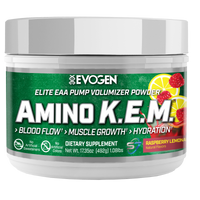
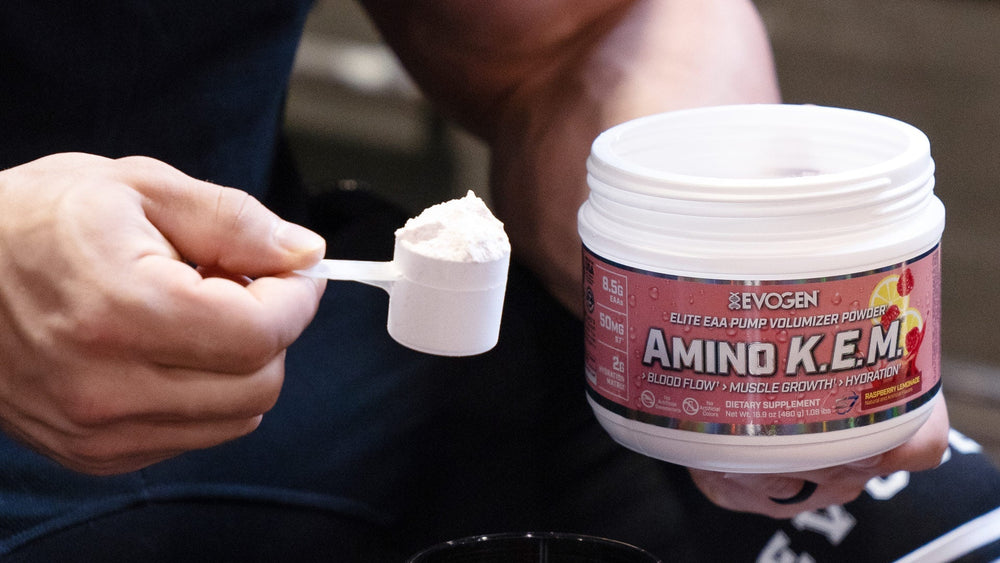
Our Amino K.E.M. delivers all 9 essential amino acids plus branched-chain amino acids in one formula, supporting muscle protein synthesis, training output, and lean mass development. It is commonly used before, during, or after training when strength, size, and disciplined growth are the priority.
For endurance, conditioning, and recovery-heavy sessions, our AminoJect serves a different purpose. Its fermented BCAAs, paired with glutamine and electrolytes, help reduce muscle breakdown, support hydration, and manage fatigue during long workouts, fasted training, or calorie-restricted phases. This makes it a go-to option when preserving muscle and sustaining performance matter more than driving new growth in the moment.
The best EAAs vs BCAAs picks are not either-or decisions. Research favors combining EAAs and BCAAs for the greatest response across strength and endurance goals. Amino K.E.M. supports muscle building and recovery, while AminoJect helps maintain output and protect lean tissue. Used together, they give athletes a practical system for performance, recovery, and long-term progress without overcomplicating supplementation.
Train With Purpose and Precision
There is no shortcut around fundamentals. Muscle growth, recovery, and performance all come back to supplying the body with the right amino acid support at the right time. That focus on formulation and function reflects how Evogen Nutrition approaches its products, with Hany Rambod, CEO and Founder, directly involved in ingredient selection and dosing decisions.
EAAs and BCAAs are not competing ideas. They are complementary tools. Products like our Amino K.E.M. are built to deliver a complete essential amino acid profile to support muscle protein synthesis and recovery, while our AminoJect focuses on preserving performance, hydration, and endurance when training stress runs high. Used with intent, each serves a distinct role in a disciplined training system.
Train with purpose. Fuel with intent. That is how progress stacks up over time.