









Vitamins for anxiety can help keep you calm and focused during intense training and stressful days. Nearly 40 million adults in the United States experience anxiety each year, and athletes feel that pressure even more when physical performance mixes with real-world stress. While traditional treatments matter, the nutrients you take in play a surprisingly powerful role in how your brain and body handle stress. We see it all the time with the athletes we work with. Once their micronutrient game is dialed in, their ability to stay steady under pressure changes dramatically. Many athletes also stack these nutrients with a non-stimulant pre-workout to support smooth, dialed-in focus without caffeine spikes.
Several vitamins prove particularly effective for anxiety relief. B vitamins, especially B6, B9, and B12, help produce neurotransmitters like serotonin and GABA that keep your mood balanced and your nervous system anchored. Vitamin D, magnesium, and omega-3 fatty acids also show strong connections to decreased anxiety levels. When these nutrients fall short, your stress response becomes less resilient. Addressing those gaps, either through diet or supplementation, can help restore mental clarity and emotional stability.
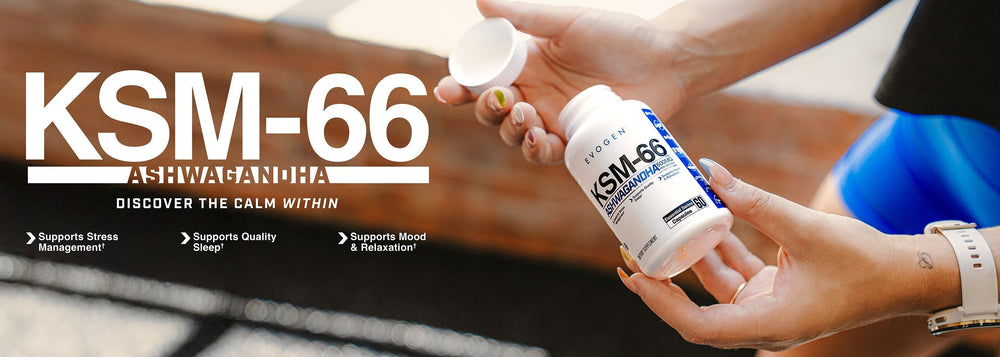
Ashwagandha is another well-supported option for managing stress, especially during demanding training cycles. Standardized forms like KSM-66® help regulate cortisol and support a calmer baseline, and many athletes use it alongside foundational vitamins for better mood balance and recovery.
How Do Vitamins Help Reduce Anxiety?
Your stress response relies on neurotransmitters and nutrients working together. When even one of those pieces slips, your mood, sleep, and performance feel it. Most athletes don’t realize how much their micronutrient status influences their mental well-being until things improve, and suddenly, the irritability, nervousness, or sleep issues aren’t as overwhelming.
The Role of Neurotransmitters in Anxiety
GABA is the calming force in your brain, responsible for slowing racing thoughts and helping you relax. Serotonin helps stabilize mood and supports sleep. Vitamin B6 helps convert amino acids into GABA, so when B6 levels drop, that calming signal weakens. It’s one of the reasons athletes dealing with high stress often feel edgy or overstimulated.
Nutritional Deficiencies and Anxiety Symptoms
Low B12 can produce symptoms so similar to anxiety that people often think something serious is going wrong physiologically. Magnesium deficiency is also common in athletes and strongly linked to anxiety and disrupted sleep. When these deficiencies are corrected, athletes often notice improvements such as:
- Better sleep quality
- More emotional balance
- Reduced feelings of nervousness
- A calmer stress response during training
Many athletes do not realize that deficiencies in B12, magnesium, or vitamin D can contribute to both anxiety and depression, especially during long training cycles. Some symptoms overlap so closely that identifying the source becomes difficult without proper testing. Addressing these nutritional gaps early is one of the most practical steps for managing anxiety before it begins to interfere with performance.
Vitamins and Minerals Linked to Anxiety
Athletes burn through vitamins and minerals quickly. Through sweat, heavy workloads, and high metabolic demands, micronutrients drain faster than most realize. When levels fall too low, anxiety and low mood can surface even if training is going well. Magnesium, B6, B12, and vitamin D3 all support neurotransmitter function, cortisol balance, and general mental well-being.
These vitamins and minerals play a growing role in treating anxiety, especially for athletes who prefer targeted, nutritional strategies. While supplementation cannot replace clinical treatment for specific health conditions, optimizing micronutrient intake offers real support for managing anxiety during demanding training periods. Many athletes notice that once their nutrient levels stabilize, they regain clarity, consistency, and emotional balance.
How Low Vitamin Levels Affect the Nervous System
Your nervous system relies on a constant flow of nutrients to operate efficiently. When deficiencies show up, you may notice:
- Reduced serotonin activity
- Decreased GABA signaling
- Poor sleep quality
- Heightened anxiety
- Increased irritability or tension
Vitamin D3, in particular, plays a major role in immune function and brain health, and low levels are consistently associated with anxiety disorders.
Why Athletes Need Higher Intake
Athletes lose micronutrients through:
- Sweat
- Long training sessions
- High stress
- Increased metabolic demands
We remind athletes constantly that repairing nutrient gaps is just as important as repairing muscle tissue. It reflects the philosophy Hany, our Founder and CEO, brings to every athlete he coaches: build the foundation, stay consistent, and let the results stack over time. When your body finally has what it needs, your stress response, recovery, and performance all move in the right direction.
Essential B Vitamins for Anxiety and Panic Attacks
B vitamins help keep your nervous system stable and your brain functioning efficiently. Because they are water-soluble, your body uses them quickly and needs regular replenishment.
Vitamin B6 (Pyridoxine) and GABA Production
Vitamin B6 helps create the calming neurotransmitter GABA. Without enough B6, your brain struggles to keep that balance, which can leave you feeling overstimulated, restless, or anxious.
Vitamin B12 for Nervous System Support
Vitamin B12 helps maintain the myelin sheath, protecting your nerve cells. Low B12 levels can produce symptoms that mimic anxiety or panic episodes. Once the deficiency is corrected, improvements often include:
- Better focus
- Improved mood
- Steadier energy
- Reduced anxiety symptoms
Other B Vitamins That May Help
Folate (B9) works with B12 to support the production of serotonin and dopamine. Thiamine (B1) helps support energy, nerve function, and stress tolerance. A complete B-complex ensures these nutrients work together to support mental well-being and performance.
Several findings come from randomized controlled studies exploring how B vitamins influence neurotransmitter activity and stress tolerance. One controlled trial showed that B-complex supplementation supported mood stability in participants under chronic stress. While more research is needed, early data from each randomized controlled trial suggest that adequate B-vitamin status plays a meaningful role in anxiety relief and overall cognitive performance.
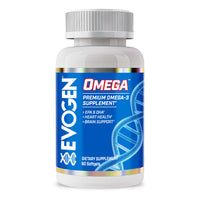
Omega-3s, Serotonin, and GABA Support
Omega-3 fatty acids influence neuron communication and inflammatory pathways. EPA and DHA support brain health, mood stability, and cognitive clarity.
How Omega-3s Influence Mood
Omega-3s support:
- Serotonin function
- Cell membrane strength
- More stable mood
- Neurotransmitter efficiency
- Lower inflammatory stress
Low omega-3 intake is associated with nervousness and anxiety disorders, especially in people under high stress.
Choosing the Right Omega-3 Supplement
Athletes often benefit from omega-3 supplementation because it supports:
- Joint comfort
- Faster recovery
- Better cognitive function
- Improved mood stability
A common daily intake is 250 to 500 mg of combined EPA and DHA.
Magnesium Supplements for Anxiety Relief
Magnesium affects hundreds of reactions in the body and plays a major role in calming neural activity and improving sleep. Many athletes don’t realize how much magnesium they burn through during intense training until they supplement it and finally start sleeping well again.
How Magnesium Affects the Nervous System
Magnesium helps:
- Regulate cortisol
- Support GABA receptors
- Reduce nerve overexcitability
- Promote better sleep
- Ease nervous system tension
Choosing the Right Magnesium Supplement
Magnesium glycinate is the top choice for anxiety and sleep support because it is well absorbed and gentle on digestion. Magnesium citrate also works but may cause digestive issues in higher doses. Most people start with:
- Ideally taken before bed
Magnesium Deficiency and Its Effect on Anxiety
Magnesium deficiency is extremely common and can show up as:
- Heightened anxiety
- Poor sleep
- Muscle tension
- Irritability
- Slower recovery
Once athletes replenish magnesium levels, they often notice a calmer overall baseline and better sleep quality.
Natural Herbs and Supplements That Calm Anxiety
Certain herbs have long histories of supporting emotional balance and relaxation. Modern research backs many of their benefits, especially when combined with vitamins for anxiety and panic attacks.
Ashwagandha for Stress Reduction
Ashwagandha helps regulate cortisol and supports recovery. Standardized extracts between 300 and 600 mg daily have shown measurable reductions in anxiety symptoms without causing drowsiness.
Kava and Its Effect on Anxiety
Kava interacts with GABA receptors to promote calm without impairing cognitive sharpness. When choosing kava, quality matters, so standardized extracts are your best bet.
Other Dietary Supplements to Consider
Athletes often explore:
- L-theanine for relaxed alertness
- Rhodiola for stress hormone regulation
- Omega-3s for neurotransmitter support
5-HTP and Serotonin Support
5-HTP supports serotonin production and may help reduce anxiety symptoms by improving neurotransmitter availability.
How 5-HTP Works in the Brain
Low serotonin may cause:
- Anxiety
- Irritability
- Sad mood
- Sleep disturbance
5-HTP crosses the blood-brain barrier and helps replenish serotonin levels.
When to Use 5-HTP
5-HTP works best when paired with:
- Healthy sleep habits
- Supportive nutrients like B6 and magnesium
- Consistent nutrition
- A well-structured training routine
People taking certain medications should consult their doctor before using it.
Practical Stacking Tips for Athletes
If you are training hard and need more calm in your sessions, start with:
- A complete B-complex
- Magnesium glycinate
- Vitamin D3 if levels are low
For overnight recovery, athletes often combine:
- Magnesium glycinate
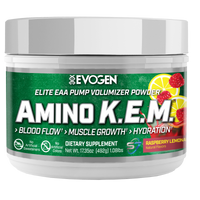
- Our Amino K.E.M.
- Our Isoject
Hany’s coaching philosophy centers on discipline and consistency, and the athletes who follow that approach see the biggest improvements. Supplementation works the same way.
What to Test and When
Testing helps athletes understand exactly where their nutrient levels stand. Focus on:
- Vitamin D
- Vitamin B12
- Magnesium levels
Tracking these gives you a performance roadmap that supports both training and mental well-being.
Safety Notes and When to Speak With a Healthcare Provider
Supplements can be helpful, but they are not replacements for professional care. Always talk to your healthcare provider before adding high-dose vitamins or mixing supplements with medication. If anxiety symptoms become severe or sudden, medical attention is important.
A Better Routine for Anxiety Support
A strong routine might include:
- Prioritizing quality sleep
- Staying consistent with nutrition
- Adding a B-complex and magnesium glycinate
- Testing vitamin D and B12
- Using amino support when needed
- Tracking mood, sleep, and training weekly
Top Vitamins for Anxiety for Training, Sleep, and Steady Focus
When athletes come to us asking which vitamins for anxiety keep them calm, sharp, and ready to grind, we always point them to the same foundation: B6, B12, vitamin D3, and magnesium glycinate. These nutrients support serotonin and GABA, the messengers that help you stay level when training intensity spikes. Layering this foundation with our EVP-3D Non-Stim gives you that smooth, jitter-free focus.
For better sleep and faster recovery, magnesium glycinate or a solid ZMA formula is often the game-changer athletes never knew they needed. If vitamin D3 runs low, those restless nights usually get worse, so bringing it back into range matters. Glycine is another simple add that helps your body downshift and settle into deeper sleep. When athletes pair these essentials with our Amino K.E.M. and our Isoject, they usually notice the difference the next morning: less tension, steadier mood, and a recovery window that finally feels productive again.
Among the athletes we work with, the most popular vitamins for anxiety are B-complex, vitamin D3, and magnesium, because they deliver calm energy and clear-headed focus when the pressure is on. Combine them with our EVP-3D Non-Stim and our Amino K.E.M., and you get consistent performance without crashes or stimulation swings. It mirrors the way Hany approaches every protocol: build a strong base, keep the stack intentional, and stay consistent long enough to let the science do its job.
Next Steps You Can Take Today
Start by testing D3 and B12 if you have not checked them recently. Try magnesium glycinate at night for a few weeks and monitor changes in sleep, recovery, and mood. If you are an athlete, pairing vitamins with targeted amino support can make a real difference in overnight repair.
Bring Calm Under Pressure
Nutrition gives you another tool to manage stress and perform at your best. B-complex, vitamin D3, and magnesium form the foundation of an effective anxiety support plan. For athletes who rely on steady focus under pressure, combining these vitamins with our EVP-3D Non-Stim and our Amino K.E.M. can support balanced, jitter-free performance. Build the basics, stay consistent, and watch your recovery and resilience improve.
If you’re ready to take the next step, start with the essentials and layer in support the same way Hany coaches our athletes: one intentional choice at a time. Explore our EVP-3D Non-Stim for smooth focus, our Amino K.E.M. for recovery and hydration support, and our Isoject to help reinforce the foundation you’re building. When your nutrition, supplementation, and training are all aligned, staying calm under pressure becomes part of your performance, not a fight against it.