






Here's the TL;DR:
- Chronic stress and elevated cortisol may contribute to appetite changes, poor sleep, and abdominal fat accumulation, but cortisol is rarely the sole cause of belly fat.
- KSM-66 ashwagandha has some of the strongest evidence for supporting healthy cortisol levels and managing the body's response to stress.
- Magnesium, phosphatidylserine, and adequate fiber can complement a cortisol-focused strategy by supporting sleep, exercise recovery, blood glucose control, and satiety.
- Supplements work best alongside the fundamentals of fat loss, including a controlled calorie intake, sufficient protein, structured training, quality sleep, and effective stress management.
Training is on point, and your diet is tight, but your midsection won't budge. Chronic stress might be the roadblock. Elevated cortisol may promote visceral fat accumulation, eat into hard-earned muscle, and wreck sleep right when you need recovery most.
When you're stressed and searching for real solutions, start with the pillars: consistent sleep, a small calorie deficit, and structured training. Then consider using targeted supplements to reduce cortisol and belly fat.
Ashwagandha may reduce perceived stress and promote healthy cortisol levels. Phosphatidylserine may help blunt stress from training sessions. Magnesium glycinate may promote quality sleep. Fiber may support blood glucose control, satiety, and a healthier stress response.
Remember to time your caffeine earlier in the day and raise protein to protect lean mass. Own the process, stay consistent, and let your midsection reflect the work you put in.
Can Supplements Actually Reduce Belly Fat Caused by Cortisol, or Is That a Myth?
The honest answer: supplements can’t target belly fat directly. What they may do is support the factors that make fat loss harder when stress is high, like poor sleep, cravings, and recovery. Think of them as tools, not shortcuts.
If your sleep is broken, your training volume is excessive, and you're eating in a massive surplus, no capsule is going to fix that.
What targeted supplementation can do is work alongside your lifestyle to blunt the hormonal stress response that makes fat so stubborn.
Chronically elevated cortisol may increase appetite, drive cravings for calorie-dense foods, and promote visceral fat storage, specifically around the abdomen.
Supplements such as ashwagandha, phosphatidylserine, magnesium glycinate, and fiber may help lower serum cortisol, improve sleep, and combat cortisol spikes that follow intense training.
Why Does High Cortisol Cause Belly Fat To Accumulate?
Cortisol and belly fat have an indirect and complex relationship. Cortisol is your body's primary stress hormone, released by the adrenal glands in response to physical or psychological stress.
In short bursts, it's useful. It mobilizes energy, sharpens focus, and prepares you to perform. The problem starts when cortisol stays elevated for days, weeks, or months at a stretch.
Visceral fat tissue, the deep abdominal fat that sits around your organs, has a high density of cortisol receptors. When cortisol stays elevated, this may signal the body to store fat in that region.
At the same time, elevated cortisol raises blood glucose and promotes insulin secretion, creating a cycle that makes fat storage easier and fat burning harder. It also suppresses testosterone and growth hormone, two key players in maintaining lean mass.
So even if your calories are in check, chronically elevated cortisol may stall your progress and potentially add inches to your waist.
However, high cortisol is rarely the sole cause of belly fat gains. Genetics, age, diet, lifestyle, exercise levels, and other hormones tend to have a greater influence.
What Are the Best Supplements To Reduce Cortisol and Belly Fat?
The best options are those that address the factors connecting chronic stress, recovery, appetite, and fat loss. Ashwagandha has the strongest case for supporting healthy cortisol levels, while magnesium may support sleep and stress regulation.
Phosphatidylserine may help manage exercise-induced cortisol responses, and fiber supports satiety and blood glucose control. Together, they can complement a calorie-controlled diet, structured training, and quality sleep.
KSM-66 Ashwagandha for Cortisol Control
Ashwagandha is one of the most researched adaptogens for cortisol reduction. If you're serious about managing stress-induced fat accumulation, KSM-66 ashwagandha may be a good place to start.
KSM-66 ashwagandha is a patented, highly concentrated, full-spectrum extract made exclusively from the root of the ashwagandha plant.
The ashwagandha-cortisol-belly fat connection is well documented, making it a top consideration in any cortisol-focused supplement stack.
How KSM-66 Works
KSM-66 ashwagandha is a full-spectrum root extract standardized to a high concentration of withanolides, the active compounds responsible for ashwagandha's adaptogenic effects.
It works primarily by modulating the hypothalamic-pituitary-adrenal (HPA) axis, the system that regulates cortisol release.
By normalizing HPA activity, KSM-66 may reduce the magnitude and duration of the cortisol response to stress rather than blocking it entirely.
It's also thought to have mild anxiolytic properties and may help reduce perceived stress without sedation. That matters for athletes who want stress resilience without impaired alertness.
Dosage Guidelines for Ashwagandha
Most clinical studies on KSM-66 use doses between 300 and 600 mg per day. A 300-mg dose taken twice daily with meals is a common protocol, but one 600-mg dose daily is typically well tolerated for those who prefer a single dose.
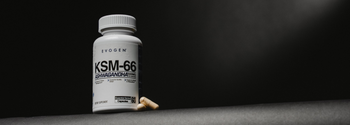
Evogen's KSM-66 Ashwagandha packs each capsule with 600 mg of pure ashwagandha extract for easy once-daily dosing.
Customer feedback for our KSM-66 is consistently positive. For example, Scott S. recently shared:
"I love this Ashwaganda! It helps keep me calm and focused. I take it daily with my multi. The KSM-66 is the version I prefer. Another home run by Evogen!"
Jesus P. had this to say:
"Woow i feel like new person. Don’t hesitate to try it!"
Consistency matters more than timing; ashwagandha builds up its effects over four to eight weeks of daily use, so don't expect overnight results.
Key Studies on Ashwagandha Benefits
A double-blind, randomized, placebo-controlled trial published in the Indian Journal of Psychological Medicine found that adults taking 300 mg of KSM-66 twice daily for 60 days showed a 27.9% reduction in serum cortisol compared to placebo.
Participants also reported significant reductions in perceived stress and improvements in sleep quality.
A separate study in the Journal of the International Society of Sports Nutrition found that KSM-66 supplementation improved muscle recovery and reduced exercise-induced cortisol in resistance-trained men.
Phosphatidylserine for Exercise-Induced Cortisol
Phosphatidylserine (PS) is a naturally occurring phospholipid found in cell membranes, including those of the brain and adrenal glands. In sports nutrition, it has been studied for its potential to moderate the cortisol response to strenuous exercise.
By helping regulate HPA axis activity, PS may support a more balanced stress response without directly suppressing normal cortisol production.
Phosphatidylserine Dosage and Timing
A daily dose of phosphatidylserine can range from 200 to 400 mg for general stress support, with some products providing higher amounts. Avoid assuming that more provides greater benefit.
For exercise-related cortisol support, follow the serving size and dosing instructions provided by the manufacturer. Taking PS consistently, including around your training schedule, may provide more practical benefit than focusing on a precise timing window.
Magnesium Supplements To Support Stress Relief
Magnesium is one of the most overlooked minerals in sports nutrition, and its ability to lower cortisol is supported by research. Low magnesium amplifies the HPA axis response to stress, meaning your body releases more cortisol than it needs to.
Correcting a deficiency, therefore, may improve stress resilience and support muscle function, sleep quality, and glucose metabolism, all of which factor into your ability to reduce belly fat.
Best Magnesium Forms for Cortisol
According to a 2025 systematic review and meta-analysis, organic forms, such as magnesium citrate, glycinate, lactate, and malate, are generally more soluble and have higher bioavailability than inorganic forms, such as oxide, sulphate, and chloride.
For cortisol and sleep, magnesium glycinate may be the best choice, though additional studies are needed to fully understand its impact.
The glycine component is thought to have calming properties, and the glycinate form is absorbed efficiently without causing the digestive issues common with magnesium citrate or oxide.
Magnesium threonate is another solid option if cognitive performance is a priority, as it crosses the blood-brain barrier more effectively. Magnesium oxide has poor bioavailability and therefore may be less effective for stress support.
Timing and Dosage Tips
A daily dose of 200 to 400 mg of elemental magnesium from magnesium glycinate is the standard range for stress and sleep support.
Try taking it 30 to 60 minutes before bed to align with its sleep-promoting effects and support the natural overnight drop in cortisol that your body needs for recovery. If you're also using L-theanine for evening calming, the two pair well together.
Magnesium Deficiency and Stress Response
Studies estimate that up to 60% of adults in the U.S. don't meet the recommended daily intake for magnesium. Athletes who routinely sweat heavily are at even higher risk because intense training increases magnesium excretion through sweat.
When magnesium is low, the stress response may become exaggerated. Cortisol may spike higher and stay elevated longer, and sleep architecture may suffer as a result.
Fiber for Stress Hormone Balance and Belly Fat
Dietary fiber doesn't get much attention in cortisol conversations, but it plays an important role in the hormonal picture. Adequate fiber intake may stabilize blood glucose, which reduces the insulin spikes that may compound cortisol-driven fat storage.
It also feeds the gut microbiome, and some research links gut health to HPA axis regulation. A disrupted microbiome may amplify the stress response and worsen cortisol dysregulation.
For athletes focused on cortisol and belly fat, soluble fiber may help. Sources such as psyllium husk, oats, legumes, and flaxseed slow glucose absorption and promote satiety, which helps control appetite even when cortisol is pushing cravings upward.
Aim for 25 to 38 grams of total fiber per day from whole food sources first. If you're consistently falling short, Evogen's Premium Fiber Support Powder offers a convenient fix.
Pair higher fiber intake with adequate hydration to avoid digestive discomfort, especially if you're increasing intake quickly. Even mild dehydration is thought to increase cortisol production, as we explain in our article on hydration and stress.
How To Combine Supplements To Lower Cortisol Safely
The best supplements to reduce cortisol and belly fat work through different mechanisms, which means smart stacking may cover different aspects of your strategy without creating redundancy or unnecessary load.
Here's a practical framework:
- Take KSM-66 ashwagandha with breakfast or another meal you eat consistently.
- Phosphatidylserine taken 30 minutes before your session may help blunt the post-workout cortisol spike.
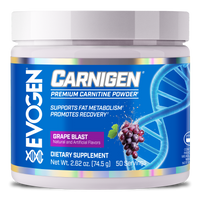
- Evogen's Carnigen Carnitine Powder can complement your training and nutrition plan, particularly when taken before training.
- In the evening, magnesium glycinate and L-theanine support sleep quality and overnight cortisol regulation.
Keep the stack tight, stay consistent, and give each compound several weeks before evaluating results.
Making Your Supplement Stack Work for You
Stubborn belly fat can be influenced by chronic stress and the hormonal changes that accompany it. The smartest approach is to address the entire recovery and fat-loss picture rather than chase a single hormone.
Hany Rambod, Evogen's founder and 25x Olympia-winning coach, built his reputation on disciplined execution, and the same principle applies here: build the foundation, use supplements strategically, and stay consistent long enough to see what works.
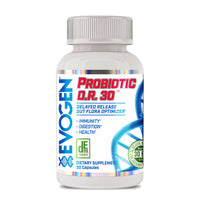
Your supplement stack works best when your digestive system can efficiently handle the nutrition supporting your training, recovery, and physique goals. Evogen's Probiotic D.R. 30 delivers 30 billion CFU from multiple probiotic strains plus prebiotic inulin in a delayed-release capsule designed to support digestive and immune health.