







TL;DR:
- The best fiber supplements for women combine soluble, insoluble, and prebiotic fibers.
- Powder formulas typically provide more effective dosing and cleaner ingredient profiles than capsules or gummies.
- Consistent fiber intake can support appetite control, digestive regularity, gut health, and long-term body composition goals.
- Increasing fiber gradually and staying well hydrated helps minimize bloating and improve tolerance.
- Strategic supplement stacking with probiotics, protein, and hydration support can amplify fiber’s benefits.
Most women know fiber matters, but many still aren't getting enough of it. The best fiber supplement for women contains a well-balanced blend of soluble, insoluble, and prebiotic fibers that supports digestion, satiety, and overall wellness.
When daily nutrition falls short, the right supplement can help close the gap, improve consistency, and support everything from appetite control to gut health.
Choosing a high-quality fiber supplement can be one of the simplest ways to strengthen your nutritional foundation.
The Importance of Fiber for Women
Fiber does far more than support regular digestion. For women, getting enough fiber can help stabilize appetite, support healthy blood sugar levels, promote gut health, and make it easier to maintain a lean physique without constantly fighting cravings.
Fiber can also support heart health and help women feel fuller between meals, especially during busy training cycles, fat-loss phases, or high-stress routines where nutrition consistency matters most.
How Fiber Supports Appetite Control and Weight Management
Fiber slows digestion and helps increase feelings of fullness, which can make it easier to manage calorie intake without feeling deprived. Soluble fibers, in particular, form a gel-like consistency in the digestive tract that helps curb hunger and reduce unnecessary snacking.
For active women focused on body composition, consistent fiber intake can support better dietary adherence and more controlled eating habits, which is something we could all use a little help with.
Daily Fiber Needs for Women
Most women should consume roughly 21 to 28 grams of fiber daily, though needs can vary based on age, activity level, calorie intake, and overall health goals.
Unfortunately, many women fall short of those numbers, especially on busy days or when focusing on low-calorie dieting strategies.
How Women's Fiber Needs Change With Age
Fiber needs often shift as women get older due to changes in hormones, metabolism, digestion, and activity levels.
Younger active women may benefit from more grams per day to support performance nutrition and appetite control, while women over 40 often prioritize digestive regularity, heart health, and blood sugar management.
Can You Get Enough Daily Fiber From Food Alone?
Technically, you can get enough fiber from food alone, but consistently hitting the recommended amount can be difficult for many women.
Even women who eat relatively healthy diets often fall short, which is where strategic fiber supplementation can help close nutritional gaps without adding excessive calories or unnecessary ingredients.
High-Fiber Foods Women Should Eat More Often
Whole foods should always form the foundation of a strong nutrition plan. Women looking to increase fiber intake should prioritize foods that deliver both fiber and micronutrient support, including:
- Berries and nuts
- Oats
- Chia seeds and flaxseeds
- Lentils and beans
- Avocados
- Broccoli and Brussels sprouts
- Pears and apples
- Sweet potatoes
- Whole grains
Do You Need a Fiber Supplement? When Supplementation Makes Sense
Fiber supplementation can be useful when digestion feels inconsistent, hunger stays elevated between meals, or daily fiber intake regularly falls short despite eating nutritious foods.
Women following higher-protein diets, calorie deficits, or fast-paced lifestyles often struggle to consume enough fiber consistently.
A quality supplement can help support digestive regularity, satiety, and gut health without forcing major changes to an already structured nutrition plan.
Understanding the Different Types of Fiber
Different forms of fiber support digestion, appetite control, gut health, and stool consistency in different ways, which is why understanding the differences matters when choosing an effective supplement.
Soluble Fiber
Soluble fiber dissolves in water and forms a gel-like substance during digestion. This type of fiber can help slow digestion, support fullness, and promote healthy blood sugar and cholesterol levels.
Common sources include psyllium husk, oats, legumes, and certain fruits. Many high-quality fiber supplements rely heavily on soluble fiber because of its versatility and digestive benefits.
Insoluble Fiber
Insoluble fiber doesn't dissolve in water and primarily helps add bulk to stool to support regular bowel movements. It's commonly found in vegetables, whole grains, nuts, and seeds.
While soluble fiber often gets more attention for appetite control, insoluble fiber remains important for maintaining digestive efficiency and overall gut function.
Prebiotic Fiber
Prebiotic fibers help feed beneficial gut bacteria to support a healthier digestive environment, improve nutrient utilization, aid in digestive comfort, and promote regularity.
Examples of prebiotic fiber include partially hydrolyzed guar gum (PHGG), inulin, fructooligosaccharides (FOS), galactooligosaccharides (GOS), resistant starches, and acacia fiber, which is a solid option if you're prone to bloating and gas.
Pairing prebiotic fiber with Evogen Evogreens adds probiotics and micronutrients to the mix, which can help combat oxidative stress from intense training and fight cravings while nourishing beneficial gut bacteria and improving digestion overall.
If you frequently miss your goals for fruits and vegetables, Evogreens is a great-tasting option. Don't just take our word for it, though. See what Kaitlynn B. recently shared about Evogreens:
"The perfect way to start my day!! Tastes like a chocolate milkshake, fills in all the nutritional gaps and easy to digest. Trust the chocolate flavor is the best- I thought how could chocolate greens taste good…? But Evogen has pulled it off."
Powder vs. Capsules vs. Gummies: Which Is Best for Women?
When looking for the best fiber supplements for women, you'll find that top-rated options offer fiber supplementation in the form of powder, capsules, or gummies, but they're not equally effective.
Powders typically deliver high fiber doses without requiring multiple pills, making them the most practical and versatile option for women serious about digestive health, appetite control, and performance nutrition.
Capsules often underdeliver on total fiber content, while gummies frequently include unnecessary sweeteners, fillers, or lower-quality ingredients that compromise overall formula quality.
What Is the Best Daily Fiber Supplement for Women?
The best daily fiber supplement for women should do more than just keep you regular.
A high-quality formula should provide recommended fiber doses, mix easily, support digestive comfort, help manage appetite, and fit seamlessly into a performance-focused nutrition plan without adding unnecessary sugars or fillers.
Powder formulas are often superior because they allow for more effective dosing, better ingredient combinations, and greater flexibility with daily intake.
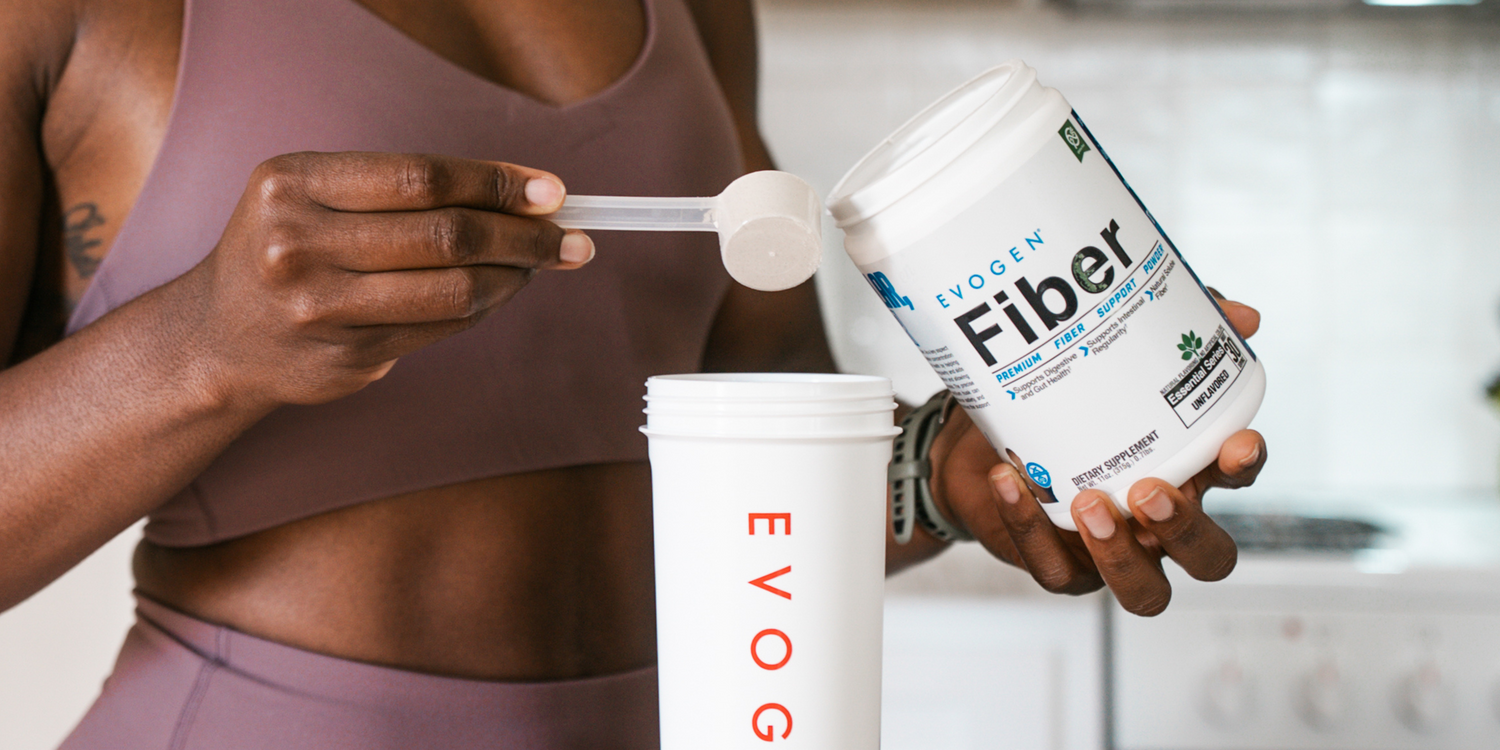
When you're comparing the top choices of fiber supplements for women, Evogen's Fiber should be at the top of the list because it was designed with both effectiveness and daily usability in mind.
It delivers premium fiber support without the bloating, grit, or overloaded ingredient panels commonly found in lower-quality products.
Our customers consistently rank Evogen Fiber highly. For instance, James C. recently shared:
"I was using Metamucil for the psyllium husk to naturally help my high cholesterol. I still wasn’t feeling the greatest. Once I started using your product, I feel so much better. I noticed a difference right away. Thank God for Evogen and your amazing supplements."
Ingredients Commonly Found in Fiber Supplements
The effectiveness of a fiber supplement depends heavily on its ingredients. Different fiber sources support digestion, satiety, gut health, and stool consistency in different ways, which is why understanding the label matters before choosing a product.
- Psyllium Husk: A soluble fiber known for supporting regularity, fullness, and healthy digestion. Commonly used in high-quality powder formulas because of its strong water-absorbing capacity.
- Methylcellulose: A synthetic soluble fiber often used to support bowel regularity with less fermentation in the gut.
- Wheat Dextrin: A processed wheat-based fiber that can help increase total daily fiber intake.
- Inulin: A prebiotic fiber that helps nourish beneficial gut bacteria and support digestive health.
- Calcium Polycarbophil: A bulk-forming fiber commonly used for digestive regularity and stool consistency support.
- Glucomannan: A highly absorbent fiber derived from konjac root that may help support fullness and appetite management.
The best formulas combine effective fiber sources without overloading the digestive system or relying on unnecessary additives.
While there are many brands that offer fiber supplements for women, Evogen's Fiber Powder stands out because it prioritizes ingredient transparency, performance-focused formulation, digestive comfort, and practical daily use instead of flashy marketing or underdosed blends.
Ingredients To Avoid
Some fiber supplements contain synthetic fiber, excessive added sugars, artificial fillers, low-quality sweeteners, or proprietary blends. Others rely heavily on gummy delivery systems that prioritize taste over fiber content.
Women looking for long-term digestive and body composition support should avoid formulas loaded with unnecessary additives that can increase bloating, digestive discomfort, or empty calorie intake without delivering substantial fiber benefits.
How To Choose the Best Fiber Supplement for Your Goals
The best fiber supplement depends on what you actually want it to do.
Women focused on appetite control and body composition typically benefit from soluble fibers that help increase fullness, while those prioritizing digestive regularity or gut health may need a broader blend that includes insoluble and prebiotic fibers.
Formula transparency, effective dosing, mixability, digestive comfort, and ingredient quality should all matter more than trendy packaging or exaggerated marketing claims.
Guidelines for Increasing Fiber Intake
Increasing fiber too aggressively can backfire, especially for women already eating high-protein diets or pushing hard in the gym.
- Start with a smaller serving, and gradually increase intake over one to two weeks to give your system time to adapt.
- Hydration is essential. Fiber pulls water into the digestive tract, so not drinking enough fluids can worsen bloating or chronic constipation instead of improving digestion.
- Consistency is equally important. Taking fiber daily, preferably around meals, typically produces better results than using it sporadically when digestive issues appear.
*If you have a GI condition, such as irritable bowel syndrome (IBS), or other serious health concerns, consult with a registered dietitian before making major dietary changes.
Stacking Strategies When Taking a Fiber Supplement
Fiber works best when it supports a larger performance and wellness strategy instead of acting as a standalone fix.
Pairing fiber with targeted digestive, recovery, and hydration support can help women improve nutrient utilization, appetite control, digestive consistency, overall gut health, and daily performance.
Prebiotics and Probiotics
Prebiotic fibers help nourish beneficial gut bacteria, while probiotics help introduce and support those healthy bacterial strains within the digestive system.
Together, they create a stronger gut-health foundation that may improve digestion, regularity, and nutrient utilization.
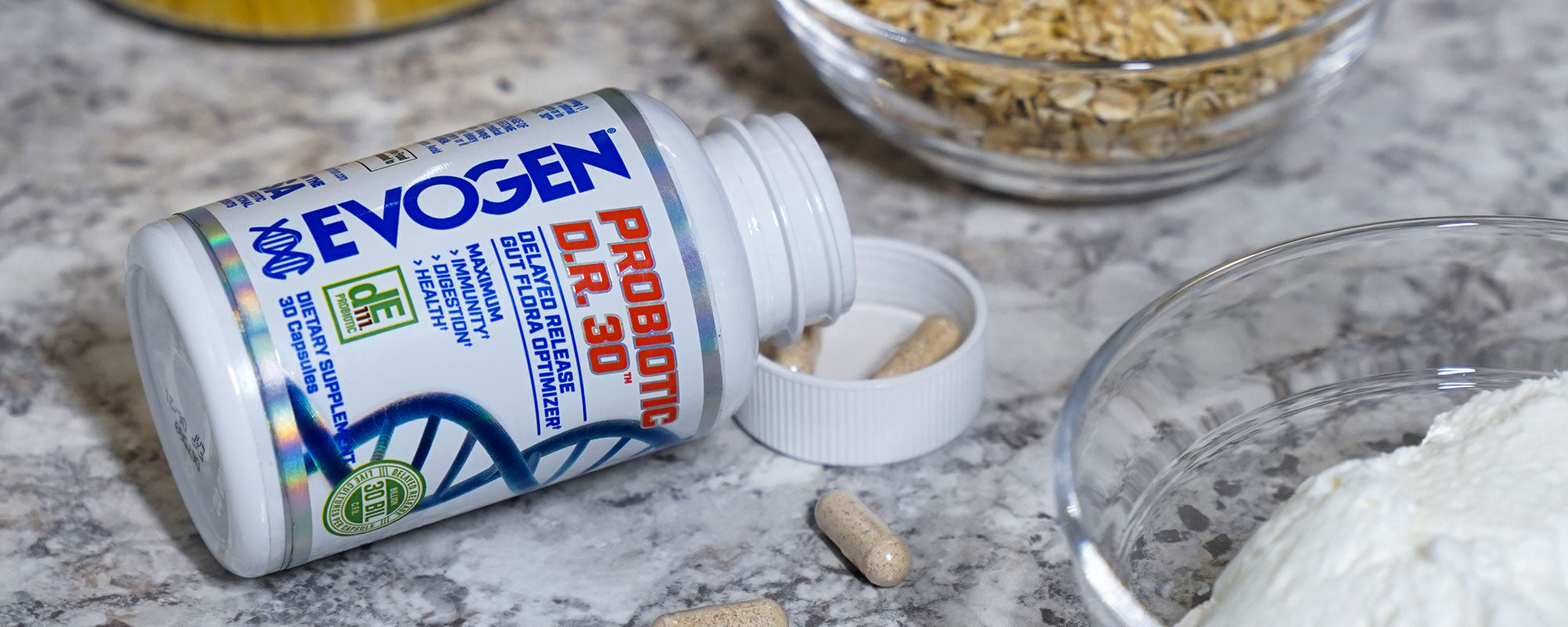
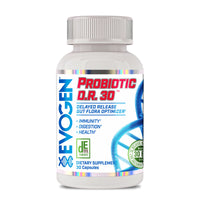
Evogen's Probiotic DR30 pairs well with a quality fiber supplement because it delivers targeted probiotic support designed to help maintain digestive balance during demanding training phases or high-protein nutrition plans.
High-Quality Protein
Higher-protein diets can sometimes leave fiber intake lagging behind, especially during fat-loss phases where food choices are more restrictive. Combining fiber with a clean protein source helps support satiety, digestion, recovery, and lean muscle maintenance simultaneously.
IsoJect is a strong stacking option because its high-quality whey protein isolate formula supports recovery and performance without adding unnecessary heaviness that can complicate digestion.
Hydration Formulas
Fiber and hydration go hand in hand. Without adequate fluid intake, even high-quality fiber supplements can contribute to bloating, sluggish digestion, or discomfort.
Electrolyte support is also critical for active women training intensely, sweating heavily, or following structured nutrition plans.
Evogen Hydration delivers a full electrolyte profile and helps support fluid balance, hydration status, and performance when you're increasing daily fiber intake.
The Right Fiber Supplement Can Support More Than Digestion
Fiber is often treated like a simple digestive tool, but for women focused on performance, recovery, and long-term wellness, it can be a foundational part of a smarter nutrition strategy.
Better digestion can support better consistency, and consistency is what drives meaningful progress, whether your goal is improved body composition, better energy, or simply feeling better day to day.
That kind of intentional, results-driven thinking aligns with the philosophy behind Evogen and its founder, “The Pro Creator,” Hany Rambod, whose approach has always centered on optimizing every detail that contributes to better outcomes.
Real progress comes from mastering the details most people overlook, and dialing in fiber intake is one of those small upgrades that compounds into measurable change over time.
If you're ready to build a more complete wellness routine, consider pairing your fiber support with Evovite, a comprehensive multivitamin that can help fill additional nutritional gaps, support recovery, and complement the daily habits that keep your body performing at its best.