















Here's the TL;DR:
- Semaglutide can slow digestion, causing nausea, bloating, cramps, and irregular bowel movements.
- Gradual dose increases, smaller meals, and careful food choices reduce stomach discomfort and maintain nutrient absorption.
- Targeted enzyme, probiotic, and fiber supplements support digestive balance and performance consistency.
- Hydration and electrolyte support are critical to prevent fatigue, headaches, and GI-related performance dips.
- Monitoring symptoms and knowing when to consult a doctor ensures safety while continuing training and recovery.
- Strategic timing of injections and meals minimizes side effects without compromising workouts or muscle retention.
Semaglutide can be effective, but the digestive side effects can hit hard.
Nausea, bloating, and stomach pain can disrupt how you eat, train, and recover if you don’t stay ahead of them.
Finding semaglutide stomach pain relief involves controlling digestion, hydration, and food choices while your body adapts. For most users, stomach symptoms subside in a few weeks.
When you support your system the right way, you stay consistent where it matters most. That’s the difference between stalled progress and staying locked in with your nutrition, performance, and overall health and wellness strategy.
How Semaglutide Works
Semaglutide is a GLP-1 receptor agonist that slows gastric emptying, reduces appetite, and helps regulate blood sugar, which is critical for those with type 2 diabetes.
But that delayed stomach emptying is where most digestive side effects start. Food sits in the stomach longer, which can lead to nausea, fullness, bloating, and even cramping, especially as your body adjusts to the compound.
Semaglutide also influences gut-brain signaling, which means that your hunger cues, digestion speed, and satiety all shift at once. That’s effective for fat loss, but it can disrupt your normal digestive rhythm early on.
How Long Do the Effects Last?
Although the gastrointestinal upset can be uncomfortable or even painful when taking GLP-1 drugs like Ozempic and Wegovy, most people adapt within a few weeks. The key is to support your gut during the initial transition.
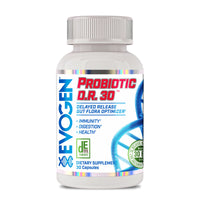
For those who train with intent and want fast relief, pairing Evogen Probiotic DR 30 to reinforce healthy gut flora with Evogreens can provide added digestive support and micronutrients while your system recalibrates.
One athlete shared their experience after adding DR 30 for digestive support:
"I really love this product because I was having a lot of bloating and I wasn’t having a bowel movement everyday. Sometimes I’d go multiple days without having a bowel movement. I now wake up less bloated, and I have a bowel movement everyday sometimes twice a day."
Common Side Effects of Semaglutide
When you take Ozempic or other medications containing semaglutide, you're introducing a compound that directly slows digestion and alters hunger signaling, and your GI system is going to respond.
For athletes who rely on precise fueling, these side effects can quickly impact performance, recovery, and overall output if not managed correctly.
Nausea and Vomiting
Nausea is the most common issue, especially in the early weeks or after dose increases. Because gastric emptying is slowed, food lingers longer in the stomach, creating that heavy, unsettled feeling.
Push portions too aggressively, and it can escalate into vomiting. For athletes, this disrupts nutrient timing, reduces caloric intake, and can compromise both training intensity and recovery if not controlled.
Gas and Bloating
Bloating and gas are often caused by delayed digestion and increased fermentation in the gut. When food sits longer than normal, especially carbs and fiber, it can lead to pressure, distention, and discomfort.
That “full” feeling isn’t just annoying; it can interfere with intra-workout performance, bracing, and even sleep quality, all of which matter when you’re pushing for progression.
Constipation and Diarrhea
Semaglutide can slow overall gut motility, leading to constipation in some people, while others experience irregular swings toward diarrhea.
Both of these can disrupt consistency. Constipation can cause abdominal pain and sluggishness, while diarrhea impacts hydration, electrolyte balance, and nutrient absorption.
Either scenario can throw off your routine, making it harder to stay locked in with both training and physique goals.
Other Common Side Effects
On top of digestive upset, semaglutide and other GLP-1 medications can impact how you feel and perform throughout the day.
- Fatigue and drowsiness often occur when calorie intake drops too quickly.
- Headaches and dizziness can stem from shifts in hydration, electrolyte levels, and blood sugar.
- Some athletes also report blurred vision or mood changes as their system adapts.
None of this is random; it’s your body recalibrating. The key is tightening up hydration, nutrient timing, and overall recovery so these dips don’t derail your output.
How Long Does Nausea Last With Semaglutide?
For most athletes, nausea is strongest during the first 1–2 weeks or after a dose increase. After that, it gradually tapers as the body adapts to slower gastric emptying.
The timeline depends on how aggressively dosing progresses and how well nutrition, hydration, and meal size are managed. Dial those in early, and you can shorten the adjustment window and keep performance from taking a hit.
How Long Does Semaglutide Bloating Last?
Bloating typically follows a similar pattern; it's usually most noticeable in the first few weeks and then improves as your digestive system adapts. If you’re consistently overeating relative to your slowed digestion, it can linger longer.
Keeping meals controlled, choosing easily digestible foods, and supporting gut health can significantly reduce both the severity and duration.
How To Find Semaglutide Stomach Pain Relief
If you want to stay consistent in the gym while using semaglutide, you have to manage your digestion like you manage training: intentionally. These strategies are about reducing GI stress so you can keep fueling, recovering, and performing at a high level.
1. Start With a Low Dose and Increase Gradually
Running doses up too quickly is one of the fastest ways to wreck your digestion. A slower ramp allows your gut to adapt to delayed gastric emptying without overwhelming it.
From a performance standpoint, this means fewer disruptions to appetite, nutrient timing, and training output. Patience here pays off with more consistency and fewer setbacks.
2. Try Small, Frequent Meals
Large meals hit differently when digestion is slowed. They sit heavier and longer and increase the likelihood of nausea. Breaking your intake into smaller, more frequent meals keeps nutrients moving without overloading the stomach.
This is where digestive support is important. Adding Evozyme can help your body break down proteins, carbs, and fats more efficiently, reducing that heavy, sluggish, bloated feeling after eating.
One long-time Evozyme user, Melissa T., shared her experience after using this consistently:
"I've been using this product for a few years and I can definitely tell a difference when I stop using it for any period of time."
3. Avoid Foods That Trigger Nausea
High-fat, greasy, and heavily processed foods tend to slow digestion even further, compounding semaglutide’s effects. For athletes and bodybuilders, that’s a double hit of more nausea and less efficient nutrient use.
Stick to cleaner, performance-driven food choices that digest predictably. The goal is to minimize variables so your body can adapt without constantly fighting what you’re putting into it.
4. Choose Bland, Stomach-Soothing Foods
When nausea is elevated, simple foods are best. Think lean proteins, rice, oats, and potatoes. These foods are easy to digest and don’t irritate the stomach.
Bland foods may not be the most exciting choice, but they put you in control. You’re giving your body nutrients it can actually process without triggering additional GI stress, keeping recovery and muscle retention on track.
5. Try Ginger or Peppermint
Ginger and peppermint actively support gastric comfort and can help reduce nausea. Whether it’s tea, capsules, or a few drops added to a protein shake or cool water, they can take the edge off during tough adjustment phases.
For elite athletes pushing through training despite reduced appetite, even small improvements in stomach comfort can make a noticeable difference.
6. Stay Hydrated
Hydration is even more critical when digestion, appetite, and electrolyte balance are all shifting. Dehydration can worsen nausea, headaches, and fatigue, which is exactly what you don’t want mid-training cycle. It can also increase the risk of kidney problems.
Remember to drink plenty of water throughout the day to stay hydrated and support digestion. Using our electrolyte powder can help keep electrolyte levels optimized, support fluid balance, and maintain performance, especially when food intake or digestion isn’t fully dialed in.
7. Limit Activity After Meals
Jumping into intense movement right after eating can amplify nausea when gastric emptying is already slowed. Give your body time to start the digestive process before training or high-output activity.
This doesn’t mean you should be totally inactive. Just be more strategic when planning workouts. Proper timing keeps nutrients where they need to be and reduces the chances of discomfort derailing your session.
8. Avoid Lying Down After Meals
Lying flat too soon after eating can increase the pressure in your stomach and worsen nausea or reflux-like symptoms. Staying upright supports more efficient digestion and helps food move through the system as intended.
For athletes of all types, this is a small adjustment that can reduce the risk of stomach discomfort and pain and keep your focus on performance, where it belongs.
9. OTC Anti-Nausea Medications
When symptoms spike, over-the-counter anti-nausea or antacid medications can provide short-term relief. The key is using them strategically, not as a crutch.
If you’re relying on them daily, something else, such as dose, food choices, or timing, is off. Dial in your fundamentals first, and then use these tools when needed to stay on track.
10. Time Injections Strategically Around Meals
When you take your injection can also influence how your body responds to it. Many people find it easier to manage side effects by timing doses away from large meals or before lower-demand days.
This gives your body space to adjust without interfering with key training sessions or high-calorie refeeds, helping you maintain both consistency and performance.
Supplementing for Stomach Pain Relief From Using Semaglutide
When digestion slows down, your margin for error shrinks. If food is not moving efficiently, you feel it fast. The right supplements can help restore flow, improve tolerance, and keep nutrient uptake consistent.
One of the biggest issues with semaglutide is reduced gut motility. Adding a structured fiber source such as Evogen Fiber can help support regularity, reduce pressure buildup, and keep digestion moving without adding unnecessary stress to the system.
Don’t forget that micronutrient density and gut health matter more when your food intake drops. Evogen Evogreens delivers greens, antioxidants, and probiotic support that help maintain digestive balance and improve nutrient utilization during lower-calorie phases.
This is about control. When digestion is predictable, everything else follows, including training, recovery, and physique progression.
When To See Your Doctor About Semaglutide Side Effects
Most semaglutide-related side effects are manageable, but severe symptoms require immediate medical attention.
- Seek medical care if you experience severe or persistent pain in your abdomen, chest pain, or continuous vomiting or diarrhea.
- Yellowing skin or eyes could signal liver or gallbladder issues.
- Any signs of pancreatitis, such as sharp abdominal pain, nausea, or vomiting, should be treated as urgent.
- Low blood sugar episodes (hypoglycemia), sudden dizziness, or blurred vision also call for professional guidance.
- Some irritation at the injection site is common, but if you note signs of infection, see your doctor as soon as possible.
Staying proactive with your healthcare provider can help ensure that you can continue your training and nutrition plan safely and comfortably.
Take Control of Semaglutide Side Effects
Semaglutide side effects can challenge even the most disciplined athletes, but you can maintain performance with the right approach.
Managing your digestion, hydration, and meal timing allows you to fuel hard, recover fully, and push intensity in the gym without compromise. Plus, targeted supplements, high-quality protein, and nutrient-rich greens can help keep your system balanced while your body adapts.
These strategies reflect the same precision that Hany Rambod, Evogen’s founder, applies in his training methods: attention to detail and control over every variable separates good results from elite results.
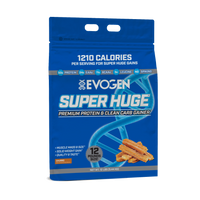
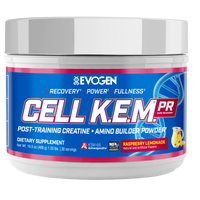
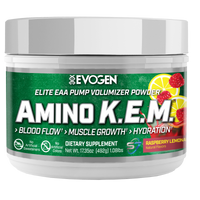
If you’re looking for extra support while adjusting to semaglutide, Evogen’s supplements can help you keep your protein up when your appetite is low, stay properly hydrated, and make sure you’re getting essential vitamins and nutrients.


