












Here’s the TL;DR:
- Muscle loss can occur with semaglutide but is preventable with training and nutrition.
- High protein intake, creatine, EAAs, and omega-3s support retention.
- Consistent resistance training is non-negotiable to maintain strength, performance, and lean mass during fat loss.
Semaglutide can lead to some muscle loss, especially when weight drops quickly and training or nutrition aren’t dialed in. That said, the issue isn’t the medication itself; it’s how your body responds to a calorie deficit without enough stimulus or support to maintain lean mass.
With the right strategy, you can absolutely lose fat while maintaining strength, performance, and muscle. High protein intake, proper hydration, smart supplementation (such as creatine, EAAs, and omega-3s), and consistent resistance training all play a key role in protecting lean tissue.
The bottom line: semaglutide doesn’t have to cost you your muscle… You just need to give your body a reason to keep it.
Does Semaglutide Cause Muscle Loss During Rapid Weight Reduction?
Yes, semaglutide can lead to loss of muscle mass and strength, especially during rapid weight loss, but this isn’t unique to the drug. Any rapid calorie deficit increases the risk of a loss in lean mass alongside fat.
During rapid weight loss, the body may draw from multiple tissue sources, not just fat, especially when nutrition and training aren’t fully optimized.
How Fat Loss Can Lead To Loss of Lean Mass
When calories drop hard, your body shifts into preservation mode. It doesn’t just burn fat; it breaks down muscle tissue for amino acids to support essential functions. Lower training intensity, reduced protein intake, and impaired recovery amplify the effect.
Without a consistent anabolic signal from resistance training and targeted nutrition, your body prioritizes survival over performance, sacrificing lean muscle to maintain energy balance.
How Supplements Can Help Protect Lean Muscle Mass
Supplements work best when paired with consistent physical activity and strength-focused training. They support recovery, maintain protein synthesis, and help preserve performance even in a calorie deficit.
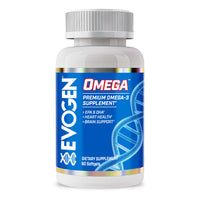
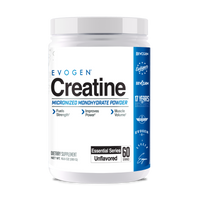
The best supplements to prevent muscle loss are protein powders, omega-3 fatty acids, amino acids, and high-quality creatine, such as creatine monohydrate.
Together, they help maintain training output, reduce muscle breakdown, and keep your body in a more anabolic state so that you hold onto lean mass while fat mass drops.
How Much Protein Do I Need When Taking Semaglutide Treatment?
Aim for 0.7 to 1.0 grams of protein per pound of body weight daily. Most men will need between 150 and 220 grams, while many women perform best around 100 to 150 grams. When preserving lean mass, consistency is more important than timing.
Stacking Strategically
For athletes focused on maintaining performance, pairing a protein supplement like Evogen's Isoject with a premium creatine supplement can help support strength, recovery, and cellular hydration during a calorie deficit.
Add essential amino acids intra-workout to support protein synthesis and omega-3 fatty acids to manage inflammation. This approach keeps training output high while protecting skeletal muscle mass under metabolic stress.
Which Protein Supplement Supports Muscle Retention on a GLP-1 Plan?
Look for a multi-source protein that combines fast- and slow-digesting proteins, delivers at least 20–25 grams per serving, and includes a complete amino acid profile to sustain muscle protein synthesis and support clean digestion and consistent absorption.
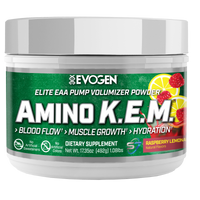
For athletes looking for high-quality protein powders and EAA formulas to keep lean mass, Evofusion Protein Blend and Evogen Amino K.E.M. could be a great fit.
Is Muscle Loss From Semaglutide Reversible After Stopping the Drug?
Yes, the effects of semaglutide on skeletal muscle mass loss can be reversed with the right approach.
Resistance training, high enough protein intake, and strategic supplementation are essential. Without them, any regained weight is more likely to come back as fat, not lean, performance-driven muscle.
Fighting Muscle Loss When Taking Semaglutide
Semaglutide changes your appetite, not your standards. If you want to hold onto muscle, you need to give your body a reason to keep it. Train with intent, fuel with precision, and you can stay strong and perform at a high level while cutting body fat.
This is where the difference shows. Passive dieting leads to muscle loss. Intentional training and nutrition protect it. Maintaining lean mass isn’t luck; it’s execution, consistency, and making the right calls daily.
If you want to go a step further, optimizing digestion can help you get more out of every calorie you consume. Maximizing protein absorption with Evozyme Enzyme Complex can help support recovery, muscle function, and retention, especially when calories are low and margins are tight.
Rhea G., a very satisfied Envozyme user, shared this:
“Literally have it with every meal! Works wonderfully for digestion.”


