






Here's the TL;DR:
-
Most people underconsume fiber, but hitting 30 grams daily is realistic with structure.
-
Fiber supports digestion, satiety, blood sugar control, and overall performance.
-
A layering approach of meals, snacks, and add-ons makes hitting your target easier.
-
Distributing fiber intake throughout the day improves digestion and energy levels.
-
Whole foods should be the foundation, with supplements used strategically to fill gaps.
Most people think they’re eating enough fiber... until they actually track it. The reality is that most fall well short of the 25–30 grams needed to support performance, recovery, and body composition.
Hitting 30 grams of fiber a day is simple: build meals around high-fiber foods, add 1–2 fiber-rich snacks, and use add-ons or supplements to close the gap.
Fiber does more than support digestion. It helps control appetite, stabilize energy, and improve gut health, which we all know is a key part of a comprehensive health and wellness strategy.
Why 30 Grams of Fiber a Day Matters for Performance
Sure, hitting 30 grams of fiber daily is terrific for your digestion, but it’s a performance play. A healthy gut supports nutrient absorption so that the protein, carbohydrates, and fats you’re dialing in actually get used.
Fiber also helps stabilize blood sugar, giving you more consistent energy in and out of the gym. Add in stronger satiety for tighter body composition control and a boost to heart health, and it’s clear: better fiber intake supports better training, recovery, and long-term results.
What Are the Best Ways To Get 30 Grams of Fiber a Day?
The most effective way to increase your fiber intake and hit 30 grams of fiber per day is to break it down into manageable targets and build with intention. Aim for a mix of soluble fiber (for satiety and blood sugar control) and insoluble fiber (for digestion and gut movement).
The key is a layering strategy: whole-food meals as your base, fiber-rich snacks to fill gaps, and add-ons such as seeds or powders to top it off. Spread intake across the day, not all at once, and stay on top of hydration to support digestion and performance.
Evogen Hydration, designed by Hany Rambod, provides a full electrolyte profile and delivers a 2 1/2 to 1 ratio of potassium to sodium for full hydration support during intense training.
According to Natalia M., a verified Hydration user:
"Really impressed with this hydration drink. It tastes good, not overly sweet, and easy to drink throughout the day or during training. Simple, effective, and something I’d actually keep using."
How To Get 30g of Fiber a Day
To get 30 grams of dietary fiber a day, keep it simple and structured. Aim for 8–10 grams at each main meal and another 3–5 grams from snacks.
For example, breakfast could be oats with berries and chia seeds, lunch a quinoa bowl with vegetables, and dinner a protein source with lentils and greens. Add in a fruit-and-nut snack or two, and you’re there.
Consistency beats perfection. Hit your targets most days, and the results follow. If you're still struggling to hit your target, a dietitian can help you create a plan that you can actually stick to.
High-Fiber Foods List
Building your meals around fiber-dense foods makes hitting 30 grams far easier.
-
Carbs, such as oats (~4g per ½ cup), quinoa (~5g per cup), and whole grain bread (~3–5g per slice), are solid staples.
-
Fruits such as raspberries (~8g per cup), pears (~5–6g), and apples (~4g) pull double duty for carbs and fiber.
-
Vegetables such as broccoli (~5g per cup), Brussels sprouts (~4g), and carrots (~3–4g) add volume and micronutrients.
-
Legumes, including lentils (~15g per cup), black beans (~15g), and chickpeas (~12g), are heavy hitters.
-
Healthy fats and add-ons such as chia seeds (~10g per 2 tbsp), flaxseeds (~5g), and almonds (~3–4g per ounce) are easy wins.
Easy Ways To Get More Fiber
You don’t need a full diet overhaul to hit your fiber goals; you just need smarter swaps and add-ons.
-
Toss chia seeds, flax, wheat germ, or oat bran into your shakes.
-
Swap refined carbs for whole-grain products.
-
Make vegetables non-negotiable at lunch and dinner.
-
Choose fruit instead of processed snacks and desserts.
-
Lean on legumes as a carb source when possible.
Small, repeatable habits stack up fast, and that’s how you consistently hit your numbers without forcing it.
Understanding the Different Types of Fiber (and Why They Matter)
Not all fiber works the same, and that matters when performance is the goal. Different fiber types influence digestion speed, fullness, and how your body handles nutrients.
Understanding the basics helps you hit 30 grams more strategically, not just randomly. When you know what each type does, you can build meals and stacks that support energy, recovery, and body composition more effectively.
Soluble Fiber
Soluble fiber dissolves in water and forms a gel-like substance in the gut to slow digestion and help regulate blood sugar. That slower release translates to more stable energy and fewer crashes. It’s also highly effective for satiety, making it a key tool during fat loss phases.
You’ll find soluble fiber in oats, beans, lentils, apples, and chia seeds, all of which are staples that support both performance and appetite control.
Insoluble Fiber
Insoluble fiber doesn’t dissolve in water. Instead, it adds bulk to stool and helps move food through the digestive tract efficiently. For lifters and athletes increasing food volume, this matters.
It keeps digestion regular, reduces the risk of bloating, and helps you stay comfortable as intake goes up. Whole grains, vegetables such as broccoli and carrots, and nuts and seeds are reliable sources to keep things moving.
Functional Fiber (Supplemental Fiber)
Functional fiber refers to isolated or synthetic fibers, such as psyllium, inulin, and resistant starch, added to foods or taken as supplements.
These are efficient tools when whole-food intake falls short or appetite is low. They can support fullness and gut health without adding significant volume.
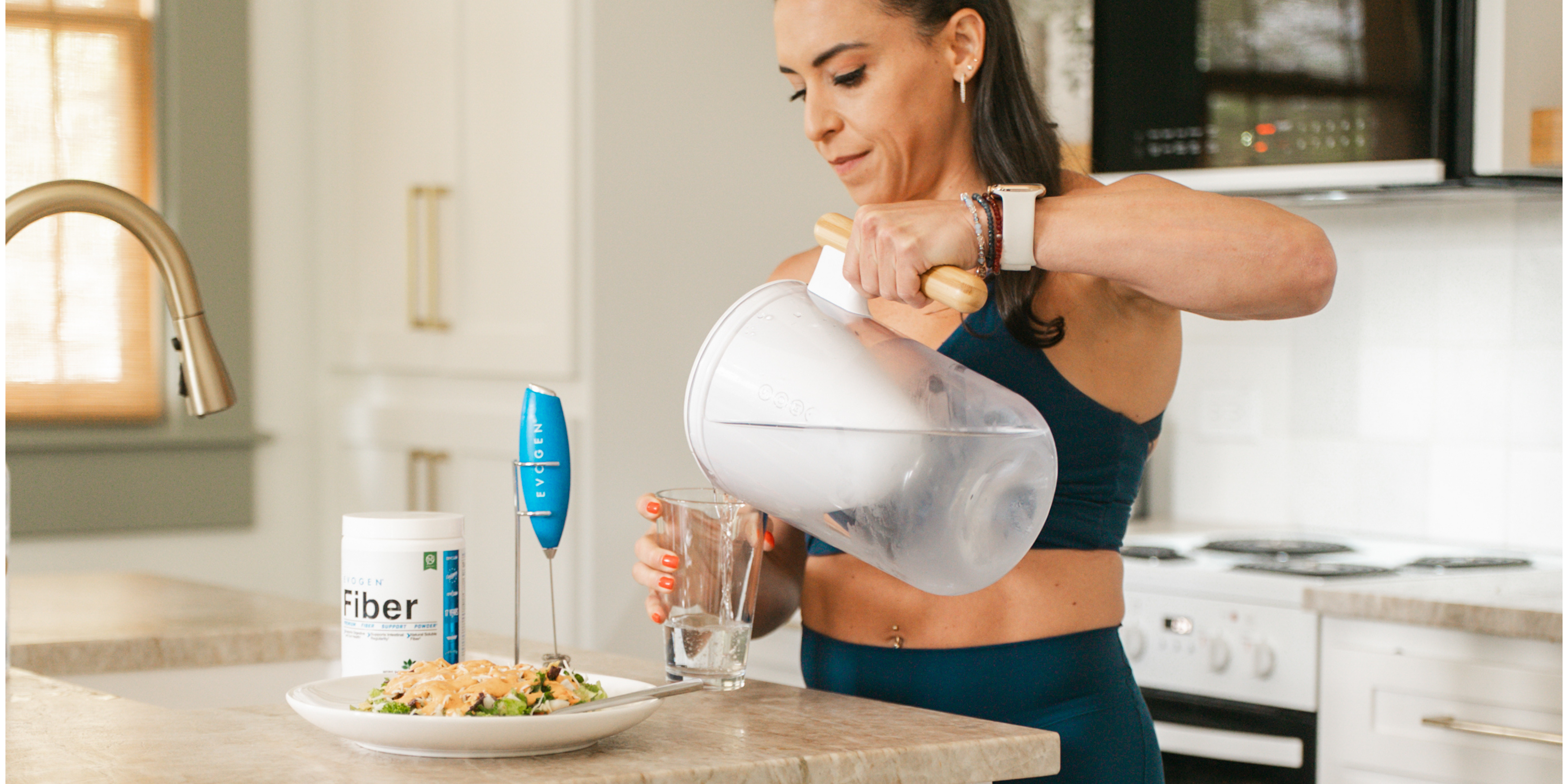
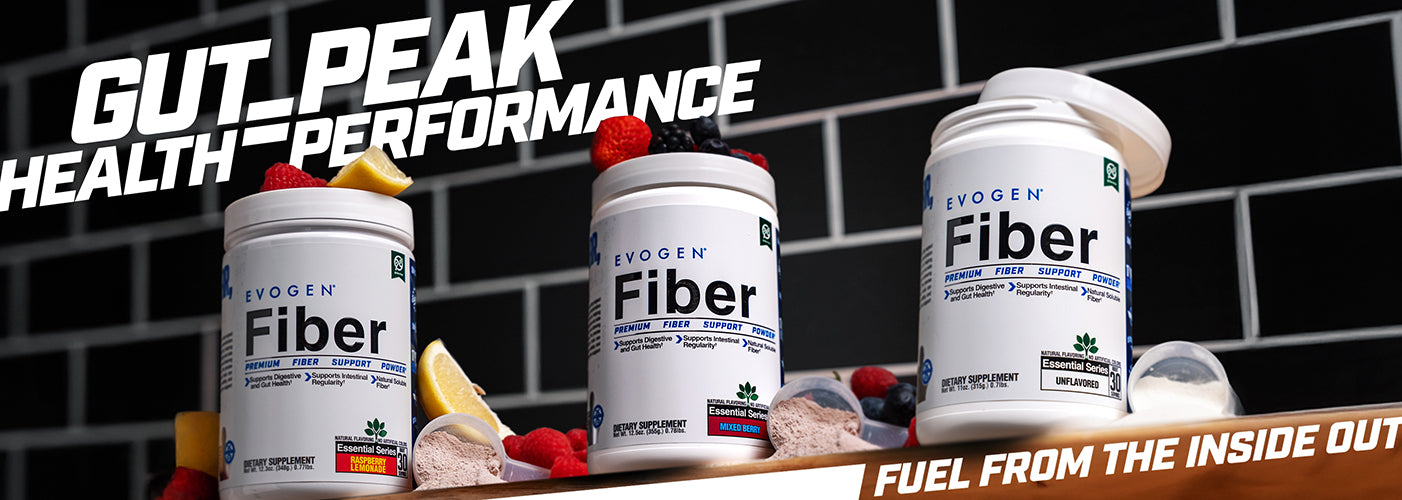
Evogen Fiber gives you a convenient way to close the gap and stay consistent with your daily target.
James C., a very satisfied user of Evogen Fiber, shared this:
"I was using Metamucil for the psyllium husk to naturally help my high cholesterol. I still wasn’t feeling the greatest. Once I started using your product, I feel so much better. I noticed a difference right away. Thank God for Evogen and your amazing supplements 🙏🏼"
Which Type of Fiber Is Best?
There’s no single “best” type. You need all of them working together. Whole foods naturally provide a mix, which is why they should be your foundation. Supplements help fill gaps, not replace variety.
For a stronger digestive stack, pair a fiber supplement with Probiotic DR30 to support breakdown, absorption, and overall gut health. With every capsule, you're delivering 30 billion CFUs designed to survive stomach acid and reach the gut where they’re most effective.
Which Fiber Supplements Help Me Reach My Goal of 30 Grams a Day?
Fiber supplements aren’t a replacement for whole foods, but they’re a powerful tool when consistency gets tough. If you’re busy, managing appetite in a deficit, or just not hitting your numbers, supplements can bridge the gap.
Options such as psyllium husk (satiety and regularity), inulin (gut health support), methylcellulose (gentle digestion), and resistant starch (microbiome support) all bring value.
Evogen’s fiber support powder can be the perfect solution for days when your diet is lacking; it helps you reliably push toward that 30-gram target without forcing more food volume.
You can also stack fiber into your routine by adding it to shakes along with EvoFusion, giving you a combination of protein, digestion support, and sustained fullness in one move.
How To Eat More Fiber
The key to increasing fiber is control, not overload. Gradually build your intake to avoid GI stress, especially if you’re starting low.
Pair fiber with a high-quality whey protein isolate, such as IsoJect, to maximize satiety and support muscle. Hydration is non-negotiable, as fiber needs water to do its job effectively.
Timing matters too. Adding fiber before meals can help control appetite, while keeping post-workout meals balanced, i.e., not overloaded with fiber, helps maintain digestion speed and nutrient delivery when your body needs it most.
30 Grams of Fiber a Day Meal Plan
Here’s what a performance-friendly day hitting ~30–35 grams of fiber can look like without overcomplicating things:
-
Breakfast (~10g): Oatmeal with berries and chia seeds.
-
Snack (~5g): Apple with a handful of almonds.
-
Lunch (~8g): Grilled chicken salad with quinoa and mixed vegetables.
-
Snack (~4g): Greek yogurt with ground flaxseed.
-
Dinner (~10g): Salmon with roasted vegetables and lentils.
This structure keeps fiber evenly distributed, supports steady energy, and avoids digestive overload so that you’re fueled, not slowed down. Simple food group item swaps can keep each day's menu exciting and fresh so that you still look forward to eating.
Consistently Hitting Your Fiber Target Changes Everything
Hitting 30 grams of fiber a day isn’t about checking a box. It requires building a system that supports how you train, recover, and perform.
When your digestion is dialed in, your body actually uses the nutrients you’re working hard to consume. Energy stays steady, appetite stays controlled, and your physique goals become easier to manage over time.
This is the kind of foundational discipline Hany Rambod has always emphasized: master the basics, and everything else levels up.
If you’re already pushing your nutrition and want to take digestion and nutrient absorption even further, a targeted support supplement makes sense.
Evozyme is designed to help your body break down and utilize the foods you’re eating so you get more out of every meal, not just more on your plate.