







Here's the TL;DR:
- You can lose muscle mass while taking Ozempic, but it’s primarily driven by rapid weight loss, low protein intake, and lack of resistance training.
- Preserving muscle requires consistent strength training, adequate protein, and controlled calorie reduction.
- Muscle loss can reduce metabolism, strength, recovery, and overall physique quality.
- Training intensity is critical. Your body retains muscle only when it’s challenged.
- High-quality protein and smart nutrition strategies help support lean mass during appetite suppression.
Ozempic and other GLP-1 medications are changing the standard approach to fat loss, especially for those dealing with obesity or type 2 diabetes.
As more people turn to these weight-loss drugs for rapid results, a new concern has emerged: preserving lean mass as the scale drops quickly.
Because appetite is suppressed, many users unintentionally don't eat or train enough, setting the stage for unwanted muscle loss alongside fat reduction.
So, does Ozempic cause muscle loss? Yes. Without sufficient resistance training, adequate protein intake, and structured nutrition, weight loss from Ozempic can lead to a reduction in skeletal muscle mass, not just body fat.
You don’t just want to lose weight. You want to build a stronger, leaner, more capable body in the process. That starts with smart training, intentional fueling, and a commitment to high-quality protein.
Does Ozempic Cause Muscle Loss?
Yes, Ozempic can lead to muscle loss, especially during rapid weight loss phases. However, it’s not the drug itself that causes it; it’s the environment it creates.
When appetite drops, calories fall, protein intake often slips, and training intensity can decline. That combination increases the likelihood of losing lean mass along with body fat. The key is understanding that muscle loss is preventable with the right strategy.
Ozempic and Muscle Loss: How Are They Related?
Ozempic drives weight loss primarily by suppressing appetite, which leads to a calorie deficit. While that deficit is necessary to lose fat, it also creates a scenario in which the body breaks down both fat and muscle for energy.
Without adequate protein intake and resistance training, lean tissue becomes vulnerable. Muscle loss here isn’t caused directly by the drug; it’s a byproduct of an underfueled and understimulated system.
Understanding the Effects of Semaglutide Weight Loss on Skeletal Muscles
When appetite is reduced, total daily protein intake often drops, sometimes well below what’s needed to support skeletal muscle mass. At the same time, lower calorie intake can lead to fatigue, making it harder to train with intensity.
This combination may also blunt anabolic signaling, further limiting muscle protein synthesis. The result is an internal environment that works against muscle retention and can negatively impact bone health unless you deliberately counter it.
How Common Is Muscle Loss With Ozempic?
Studies show that when taking GLP-1 medications such as Ozempic and Wegovy, it’s common for about 30% of total weight lost to come from lean muscle mass, depending heavily on how you approach your nutrition and training.
Higher protein intake, consistent resistance training, and a controlled rate of weight loss can significantly reduce muscle loss and shift more of that weight loss toward body fat instead.
How Muscle Loss Impacts Performance and Metabolism
Muscle, of course, impacts how you look, but it’s also a primary driver of performance and metabolism. The more lean mass you carry, the more efficiently your body burns calories at rest and during training.
When you lose muscle, your metabolic rate can slow, making long-term fat loss harder to sustain. Performance takes a hit too as strength drops, recovery lags, and overall output declines. This is how people end up “skinny-fat.”
Signs You May Be Losing Muscle on Ozempic
Muscle loss doesn’t always show up on the scale, but your performance will tell the story.
If your strength is consistently dropping, especially on compound lifts, that’s a red flag. Increased fatigue during workouts, a flatter or “deflated” look, and struggling to maintain intensity are all signs your body may be breaking down muscle.
Rapid weight loss, especially more than 2 pounds per week over time, can increase the risk. Catching these signs early allows you to adjust before real muscle loss sets in.
How To Prevent Muscle Loss When on Ozempic
If you’re going to use Ozempic as a fat loss tool, you need a strategy to protect performance. Muscle retention doesn’t happen by accident. It’s the result of deliberate training, nutrition, and recovery habits executed consistently.
Prioritize Daily Exercise
Daily movement sets the foundation. When calories drop, your body naturally tries to conserve energy by reducing activity. This is where NEAT (non-exercise activity thermogenesis) matters.
Hitting a consistent step count, staying active throughout the day, and avoiding long sedentary periods help maintain overall energy expenditure.
Simple habits such as walking, light cycling, or staying mobile between workouts go a long way in supporting fat loss without compromising muscle.
Add in Strength and Resistance Training
If there’s one non-negotiable for preserving muscle, it’s resistance training. You should be lifting or exercising with resistance bands 3–5 times per week with a focus on progressive overload, challenging the muscle enough to give your body a reason to keep it.
Compound movements, controlled reps, and intent-driven training matter. Without the stimulus of intentional strength training, your body has no incentive to hold onto lean mass during a calorie deficit.
Increase Protein Intake
Protein is your first line of defense against muscle loss. Aim for roughly 0.7–1 gram per pound of body weight, depending on how aggressive your goal is. With appetite suppressed, hitting that target can be a challenge.
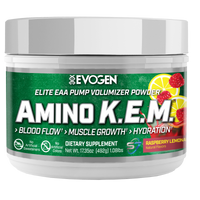
This is where a high-quality blend such as EvoFusion helps fill the gap. Spreading protein across meals improves utilization, and pairing it with EAAs, such as Naturally Sweetened Amino K.E.M., can further support muscle protein synthesis when intake is inconsistent.
The results of strategic supplementation are real. Here's what Andy G. had to say about our Amino K.E.M. Naturally Sweetened formula:
"Love the taste and pump!! Gets me through my sesh!!"
Focus on Hydration
Hydration is often overlooked, especially when appetite and thirst are both reduced. Even mild dehydration can impact strength, endurance, and muscle fullness. Staying properly hydrated supports performance, recovery, and nutrient delivery.
Adding a full-spectrum electrolyte formula such as Evogen Hydration can help maintain fluid balance and keep you performing at a higher level, even when intake is lower.
Plan Meals Intentionally
You can’t rely on hunger cues when you’re on Ozempic; that’s how undereating happens. Instead, you need structure. Prioritize protein-first meals, focus on nutrient-dense foods, and plan your intake ahead of time.
The goal is to avoid “accidental starvation,” where calories drop too low, and muscle becomes collateral damage. Intentional fueling keeps your body in a position to lose fat while holding onto lean mass.
Supplement Strategically
Supplements aren’t a replacement for solid nutrition, but they can give you an edge, especially when intake is inconsistent.
- High-quality protein powders, EAAs, and creatine help support muscle retention and performance.
- Digestive enzymes can improve nutrient absorption when meals are smaller.
- Ketone esters can help support energy levels in low-calorie states.
The key is using supplements to fill gaps and reinforce your foundation, not as a shortcut.
The Role of Training Intensity While on GLP-1s
One of the biggest mistakes we see with GLP-1 use is a drop in training intensity. When calories are lower and energy feels limited, it’s easy to go through the motions, but that’s exactly how muscle loss happens.
Your body holds onto muscle when it’s given a reason to, and that reason is mechanical tension and effort. It’s not about spending more time in the gym; it’s about making your sets count.
If needed, shorten your workouts and reduce volume, but keep intensity high. Train with intent, push close to failure, and give your body a clear signal to preserve lean mass.
What Supplements Help With Ozempic Muscle Loss?
When appetite is low and calories drop, supplementation can be a powerful tool to support recovery, performance, and muscle retention.
The priority is hitting your protein target efficiently, which is where IsoJect, a fast-digesting isolate, stands out. It delivers high-quality protein without heaviness, making it easier to stay consistent even when you’re not hungry.
For added support, pairing a high-quality protein source with Amino K.E.M ensures a steady supply of essential amino acids to drive muscle protein synthesis.
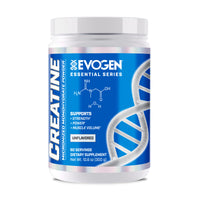
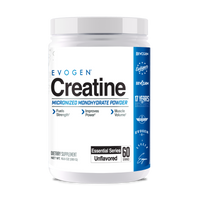
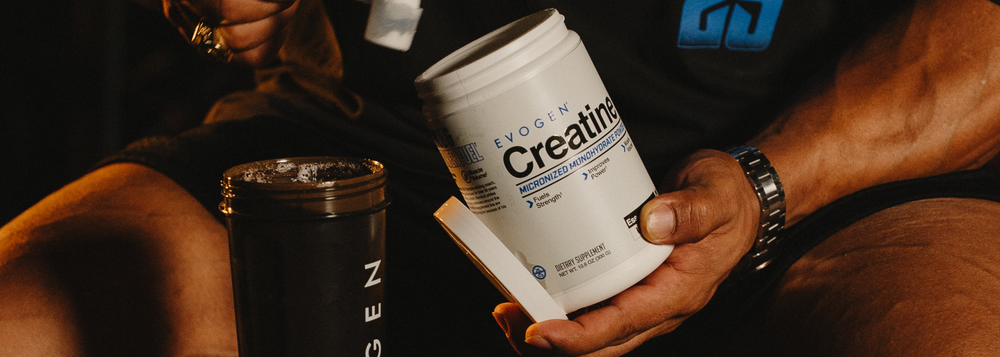
Digestive support from Evozyme can help maximize nutrient absorption when meal sizes shrink, while creatine monohydrate supports strength and cellular hydration. The goal isn’t to replace real food. It’s to reinforce it.
Our IsoJect protein isolate consistently gets raving reviews. Check out what Maurice C. shared:
"The chocolate Pb is my go to. Very easy to mix and absorbs fast. The protein is high quality and my physique has seen tremendous improvement since switching."
Adjusting Your Protein Intake To Prevent Ozempic Muscle Loss
Hitting your daily protein target is critical, but how you structure that intake matters just as much. When appetite is suppressed, large meals can feel like a chore, which is why spreading protein across smaller meals can be more effective.
Prioritize protein around your workouts to support muscle recovery and retention. Liquid options can be a game-changer here. When eating enough whole food protein becomes difficult, a fast-digesting option, such as IsoJect, makes it easier to stay on track.
You can also incorporate blended proteins such as EvoFusion to provide a slower, sustained release of amino acids between meals.
Maintain Muscle and Maximize Results on Ozempic
Ozempic is a tool, but it’s only as effective as the strategy behind it. If you want more than just a lower number on the scale, you need to control the variables that actually shape your physique: training intensity, protein intake, and smart supplementation.
This is where the difference is made. As "The Pro Creator," Hany Rambod, always reminds us, results come from precision, not shortcuts.
Approach this phase with intent. Train hard, fuel your body with purpose, and support it with the right tools. Don’t just lose weight. Build a stronger, leaner, higher-performing physique that holds up long after the diet phase ends.
If you’re serious about protecting your physique while cutting, don’t overlook the fundamentals that support long-term performance and overall health.
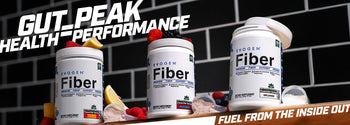
Ozempic can wreak havoc on your digestion, which can seriously impact your training. Taking a premium fiber supplement such as Evogen Fiber can keep your body functioning as it should so that you can keep hitting your goals.