










Here's the TL;DR:
- Building muscle in a calorie deficit is possible through proper training, nutrition, and recovery.
- A moderate 300–500 calorie deficit typically works best.
- High protein intake supports muscle protein synthesis and recovery.
- Progressive overload and strength training are essential during fat-loss phases.
- Recovery, hydration, sleep, and stress management directly affect muscle retention and gym performance.
- Strategic supplements can help support training intensity, recovery, hydration, and overall body recomposition goals.
Cutting calories without losing muscle is one of the biggest challenges in fitness. When energy intake drops too aggressively, recovery suffers, performance declines, and your body becomes more likely to break down muscle tissue alongside body fat.
The key to building muscle in a calorie deficit is combining resistance training, high protein intake, moderate calorie restriction, recovery, and consistency over time.
With the right strategy, body recomposition allows you to lose fat while maintaining or even increasing lean muscle mass.
That’s where Evogen’s performance-first approach to training, nutrition, and strategic supplementation separates sustainable results from crash-diet guesswork.
Building Muscle While Cutting: Is It Possible?
Yes, building muscle while cutting is possible, especially when your training, nutrition, and recovery are aligned.
Traditional bulking focuses on a calorie surplus to maximize muscle growth, while cutting uses a calorie deficit to reduce body fat. Many lifters assume those goals cannot happen simultaneously, but body recomposition proves otherwise.
When protein intake, resistance training, and recovery stay consistent, stored body fat can help cover part of your energy demands while your body continues supporting lean muscle tissue.
The key is controlling muscle protein breakdown while stimulating muscle protein synthesis to preserve muscle during fat loss phases through hard training and adequate nutrition.
Aggressive dieting and rapid body fat loss, however, increase the risk of muscle loss, poor recovery, and stalled performance.
How Does a Calorie Deficit Affect Muscle Growth?
A calorie deficit happens when calorie expenditure exceeds caloric intake, forcing the body to use stored energy to cover the gap. While this supports fat loss, it also reduces the amount of energy available for muscle growth and recovery.
A moderate calorie restriction usually works best because it allows you to maintain training performance while preserving lean tissue.
An aggressive deficit often backfires. Recovery slows, fatigue increases, hormones that support performance can decline, and muscle breakdown rises.
Over time, low energy availability can reduce workout intensity and make it harder to maintain strength, muscle mass, and consistency in the gym.
The Best Calorie Deficit for Muscle Growth
For most lifters, a daily deficit of roughly 300–500 calories creates the best balance between fat loss and muscle retention. Losing about 0.5–1% of body weight per week usually supports better body composition changes without sacrificing lean body mass.
Slower fat loss gives your body more resources for recovery, performance, and muscle gain while helping maintain training intensity and overall calorie intake consistency.
How Much Protein Do I Need To Build Muscle in a Calorie Deficit?
Protein is even more important during a calorie deficit because your body has fewer overall resources available for recovery and muscle repair.
Medical guidelines currently recommend consuming roughly 1.6–2.2 grams of protein per kilogram of body weight to maintain or build muscle while dieting.
Higher protein intake helps support muscle growth, reduce muscle breakdown, and improve recovery from hard resistance training sessions.
Why Whey Protein Isolate Works Well During a Cut
Whey protein isolate works especially well during a cut because it delivers fast-digesting protein with a high leucine content while keeping calories, carbs, and fats relatively low.
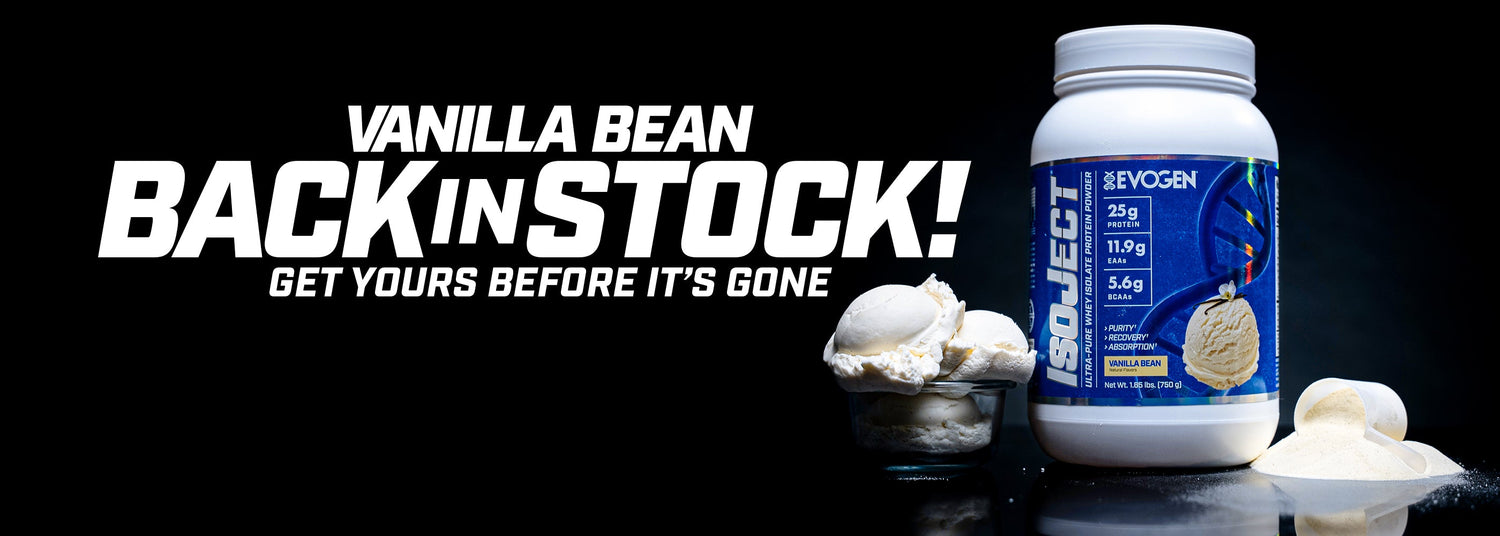
For athletes who want to build muscle while staying lean, a high-quality whey protein isolate such as IsoJect by Evogen Nutrition provides a convenient way to increase daily protein intake without slowing digestion or bloating meals.
Our IsoJect customers consistently give us positive feedback. Here's what Oyuntugs C. recently shared:
"I am loving Isoject Whey Protein Isolate! Doesn't give me gas or bloating. love it"
What Supplements Help Build Muscle in a Calorie Deficit?
Training hard in a calorie deficit places more stress on recovery, performance, and muscle retention.
The best supplements for building muscle in a calorie deficit help support training intensity, recovery, hydration, protein intake, and overall performance while calories are lower. Evogen products check all the boxes.
Whey Protein Isolate
Whey protein isolate helps simplify one of the hardest parts of dieting: consistently hitting your protein targets without adding excess calories. Its fast digestion and high amino acid content support muscle recovery and muscle protein synthesis after training.
During aggressive fat-loss phases, a high-quality whey protein isolate can help maintain lean muscle while keeping nutrition efficient and convenient.
Casein Proteins
Casein protein digests more slowly than whey, making it useful for overnight recovery and appetite control during a cut.
The steady release of amino acids may help support muscle retention while reducing hunger between meals. Many athletes use casein before bed to help maintain recovery support during longer periods without food.
Creatine Monohydrate
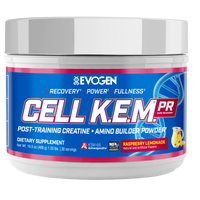
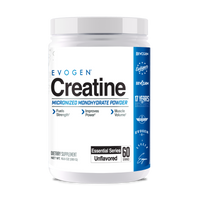
Creatine monohydrate is one of the most effective supplements for supporting strength, training performance, and muscle fullness, even during a calorie deficit.
It may also help improve recovery between hard training sessions, allowing you to maintain higher-quality workouts while calories are lower. Evogen's Creatine Monohydrate provides a simple, effective option for preserving performance during a cut.
EAAs and BCAAs
EAAs and BCAAs can help support amino acid availability during fasted training sessions or long workouts when food intake is limited.
While BCAAs primarily supply leucine, isoleucine, and valine, EAAs provide all essential amino acids needed to support muscle protein synthesis more completely.
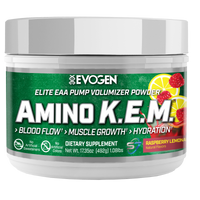
AminoJect delivers targeted BCAA support, while Amino K.E.M. combines EAAs and BCAAs for more comprehensive recovery and performance support.
Omega-3 Fatty Acids
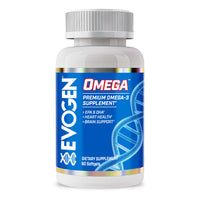
Omega-3 fatty acids may help support recovery, joint comfort, and inflammation management during high-volume training phases. Those benefits can make it easier to stay consistent with intense workouts while dieting.
Adding a high-quality omega-3 supplement may also help support overall recovery quality when training stress and calorie restriction begin to accumulate.
Beta-Alanine
Beta-alanine helps support muscular endurance by buffering acid buildup during high-rep and high-volume training sessions.
That added endurance can help you maintain workout intensity while calories are lower, especially during demanding hypertrophy-focused programs where fatigue tends to accumulate faster during a cut.
Caffeine or Thermogenic Powders
Low-calorie phases often reduce energy, focus, and training intensity, which is where caffeine and thermogenic powders can help. These products are designed to support alertness, workout performance, and calorie expenditure during dieting phases.
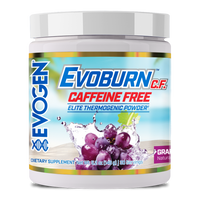
For athletes who prefer stimulant-free support, Evoburn C.F. by Evogen provides thermogenic support without relying on caffeine-heavy formulas.
Electrolytes and Hydration
Hydration directly affects muscle contractions, endurance, recovery, and overall gym performance.
During a calorie deficit, especially when sweating heavily or reducing carbohydrates, electrolyte balance is critical for preventing fatigue and maintaining workout quality.
Evogen's Hydration helps replenish key electrolytes to support performance, recovery, and consistent training output.
What Is the Best Workout Plan for Building Muscle in a Deficit?
The best workout plan for building muscle in a calorie deficit focuses on maintaining strength, maximizing training quality, and recovering efficiently between sessions.
Instead of dramatically increasing cardio or chasing exhaustion, the goal should be preserving performance through intelligent strength training, progressive overload, and recovery management.
Prioritize Progressive Overload
Progressive overload is one of the biggest drivers of muscle retention and growth. Continuing to increase weight, reps, training density, or overall performance gives your body a reason to maintain lean muscle tissue.
Focus on Compound Exercises
Compound exercises recruit more muscle groups simultaneously, allowing you to train efficiently while maintaining strength and lean mass during a cut. Movements such as squats, deadlifts, presses, rows, and pull-ups create more overall training stimulus than isolation work alone.
Best Training Splits
Several training splits work well for body recomposition, depending on recovery capacity, schedule, and training experience.
- Push/Pull/Legs are popular for balancing volume and frequency.
- Upper/Lower splits often work well during calorie restriction because recovery demands are easier to manage.
- 5/3/1 programs prioritize strength progression.
- PHUL combines hypertrophy and power-focused training for athletes who want to maintain muscle and performance simultaneously.
Using Tech To Track Your Progress
Tracking your progress can reveal whether your plan is working. Popular apps for building muscle in a calorie deficit include MyFitnessPal, MacroFactor, Strong, and Hevy.
Using these tools to track your workouts, calorie intake, recovery trends, and strength progression helps keep adjustments objective instead of emotional.
Nutrient Timing for Building Muscle While Losing Fat
Nutrient timing is important during a calorie deficit because your body has fewer resources available for recovery and performance.
- Consuming protein and carbohydrates before training can help support workout intensity and energy levels.
- Post-workout nutrition helps replenish glycogen and stimulate muscle protein synthesis.
- Spreading protein intake across four to five meals daily can improve recovery and muscle retention by providing a more consistent supply of amino acids throughout the day.
Sleep, Recovery, and Stress Management Matter More Than You Think
You can train hard and eat well, but without proper sleep, stress management, and recovery habits, maintaining muscle and performance during a cut becomes much harder over time.
Why Sleep Affects Muscle Growth
Sleep is when much of your physical recovery takes place. Poor sleep quality can reduce growth hormone production, negatively affect testosterone levels, and impair muscle repair after training.
Over time, inadequate sleep also decreases workout performance, motivation, and recovery quality.
Cortisol and Muscle Breakdown
Chronic stress increases cortisol levels, which can interfere with recovery and increase muscle breakdown when dieting aggressively.
Elevated cortisol may also disrupt appetite regulation, sleep quality, and energy levels, creating a cycle that makes consistent fat loss and muscle retention more difficult.
Recovery Habits That Support Body Recomposition
Simple recovery habits often make the biggest difference during body recomposition phases. Prioritizing hydration, mobility work, rest days, and structured deload weeks helps reduce accumulated fatigue and supports long-term training performance.
Recovery-focused habits also improve consistency, which is ultimately what allows lean muscle retention and fat loss to happen simultaneously.
Avoid These Common Mistakes
Building muscle in a calorie deficit requires precision, patience, and consistency, but many lifters sabotage progress by pushing too hard in the wrong areas.
Most mistakes come from trying to accelerate fat loss too aggressively instead of protecting performance, recovery, and lean tissue throughout the process.
- Cutting Calories Too Aggressively: Extreme calorie restriction often reduces training quality, recovery, and muscle retention while increasing fatigue and hunger.
- Not Eating Enough Protein: Low protein intake makes it harder to preserve lean muscle tissue and support muscle growth during a cut.
- Doing Too Much Cardio: Excessive cardio can interfere with recovery and strength performance when combined with heavy lifting and reduced calorie intake.
- Constantly Changing Training Programs: Switching workouts too frequently makes progressive overload difficult and prevents accurate performance tracking.
- Ignoring Recovery and Sleep: Poor sleep and inadequate recovery increase fatigue, reduce training output, and negatively affect body fat percentage goals over time.
- Expecting Rapid Muscle Gain While Dieting: Body recomposition is usually slower than traditional bulking phases, especially for experienced lifters. Patience and consistency matter more than chasing dramatic weekly changes.
Is Building Muscle in a Caloric Deficit Easier for Beginners?
Yes, beginners often build muscle in a caloric deficit more easily than advanced lifters because their bodies respond quickly to new training stimulus.
Early-stage lifters can improve strength, coordination, recovery efficiency, and muscle protein synthesis simultaneously, creating faster body recomposition results.
Returning lifters may benefit from muscle memory, which allows previously trained muscle tissue to return more quickly after time away from structured training.
Advanced athletes, however, usually need far more precise nutrition, recovery, calorie control, and training progression to lose fat while gaining muscle in a deficit.
Build a Leaner, Stronger Physique Without Sacrificing Performance
Building muscle in a calorie deficit is less about chasing extremes and more about executing the fundamentals consistently.
Intelligent training, adequate protein, recovery, and strategic supplementation create the environment your body needs to maintain strength while steadily improving body composition.
That performance-first approach is exactly what helped Hany Rambod build a reputation for developing elite physiques that prioritize both muscle and conditioning instead of unnecessary bulk.
To support recovery, performance, and overall health while calories are lower, adding a comprehensive multivitamin such as Evovite by Evogen can help fill nutritional gaps that sometimes appear during restrictive dieting phases.