









How to get energy without caffeine is a skill most athletes never learn, even though it directly impacts performance. Coffee has become the default solution for fatigue, but that quick boost often comes with a crash that hits right when training intensity matters most. If you want energy that lasts, you need a different approach.
The best time to focus on energy without caffeine is before morning training, during long afternoons, or anytime you need sustained output instead of a short spike. Energy that is built properly feels steady. You feel awake, alert, and ready to work, not wired and hoping the crash waits until later.
We see this constantly. Athletes train hard, eat reasonably well, and still feel flat. The issue usually is not effort or motivation. It is because their energy systems are unsupported. When you stop relying on caffeine and start supporting how the body actually produces energy, everything changes. That is why products like our EVP-3D Non-Stim Pre-Workout exist, to support focus and performance without forcing stimulation through caffeine.
Why You Might Need More Energy Without Coffee
If you feel like you need coffee just to function, your body is already running on borrowed energy. Caffeine blocks fatigue signals, but it does not fix the reason you feel tired in the first place.
Over time, caffeine becomes less effective. Tolerance builds, intake rises, and energy crashes become more common. This can show up as feeling jittery during workouts, struggling to focus, or needing multiple cups just to feel normal.
Common signs coffee is working against you include:
- Energy drops hard a few hours after your cup
- Feeling anxious or shaky instead of focused
- Trouble sleeping, even when coffee is consumed earlier in the day
- Needing more caffeine to get the same effect
Sleep plays a major role here. Caffeine disrupts sleep quality even if you fall asleep easily. Poor sleep increases fatigue, lowers energy levels, and makes you rely on stimulants again the next day. That loop is hard to break unless you change how you build energy.
When athletes step back from coffee, they often notice steadier energy, better mood, and improved focus during training. Energy stops feeling unpredictable.
Foods That Boost Your Energy Levels
Food is where real energy starts. Not stimulants. Not shortcuts. Your body runs on what you give it, and energy production lives or dies by nutrient quality and timing. If fuel is inconsistent, performance will be too.
Carbohydrates are your primary energy driver. Complex carbs like oatmeal, rice, and potatoes break down steadily, keeping blood sugar levels stable so you can train hard without the spike-and-crash cycle that comes with sugar and stimulants.
Protein does more than build muscle. Amino acids support neurotransmitters that influence focus, attention, and mental sharpness. When protein shows up at every meal, both your body and brain stay online longer.
Healthy fats round out the equation. Because fat digests slowly, it provides sustained fuel instead of a quick hit. Olive oil, nuts, and avocado help carry you through longer training sessions and demanding days without energy falling off.
Vegetables are the quiet difference-makers. Leafy greens like spinach provide B vitamins that help convert food into usable energy at the cellular level. When those nutrients are missing, energy production slows, no matter how much you eat.
Exercise And Movement For Natural Energy
Exercise is not something that “costs” you energy when it’s done right. It builds it. Training sends a clear signal to your body to produce more mitochondria, the engines inside your cells that create energy. More engines mean more capacity to perform.
Consistent training teaches your body to use fuel more efficiently. Over time, that efficiency raises your baseline energy, not just when you’re in the gym, but from the moment you wake up until the day is done.
Movement outside the gym matters just as much. Sitting all day kills circulation and dulls focus. Short walks, mobility work, or brief bouts of movement keep blood flowing and help you stay sharp without leaning on stimulants.
This is not about extreme sessions or burnout workouts. It’s about showing up consistently. When movement becomes part of your routine, energy stops being something you chase and starts being something you can rely on.
Hydration And Caffeine-Free Energy Supplements
If energy feels inconsistent, hydration is usually the missing link. Water plays a direct role in energy production, circulation, and nutrient delivery. When fluid levels drop, energy output drops with it, even if your training, food, and sleep are solid.
How Low Hydration Actually Feels In Training
Dehydration rarely shows up as thirst during workouts. Instead, it looks like:
- Feeling flat or sluggish during your warm-up
- Losing focus halfway through a session
- Fatigue setting in earlier than expected
- Pumps disappearing faster than usual
When hydration improves, energy often rebounds without changing anything else.
Using Caffeine-Free Supplements To Support Energy
Caffeine-free energy supplements only work when they support the systems that actually create energy. They are not meant to force alertness or fake intensity. The goal is simple: better output, less stress, and energy you can repeat day after day.
The most effective non-stim support is built around fundamentals that performance depends on:
- Improving blood flow so working muscles receive oxygen and nutrients
- Supporting hydration inside the cell, not just what sits in your stomach
- Providing amino acids that help sustain output and focus
- Delivering fuel that stays steady instead of spiking and crashing
A Simple Caffeine-Free Energy Stack
If there’s one thing elite performance teaches you, it’s this: energy doesn’t come from chaos. It comes from systems. When stimulants are out of the equation, timing and intent matter even more. The athletes who perform consistently aren’t guessing. They’re supporting the body at the right moments, for the right reasons.
- Pre-Workout: Our EVP-3D Non-Stim Pre-Workout paired with our EVP AQ Liquid Glycerol is about preparation, not stimulation. You set the session up with pump, focus, and hydration before the first working set even begins. Glycerol plays a critical role here, especially in longer sessions and high-volume training, where fluid balance can quietly become the limiting factor long before strength does.
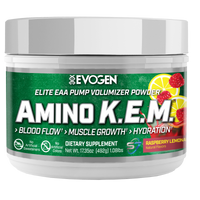
- During Training: Once the work starts, the goal is to sustain output, not chase a feeling. Our Amino K.E.M. supplies essential amino acids and hydration support to keep performance steady under load, while our GlycoJect Super Carb delivers clean fuel that maintains intensity without spikes, crashes, or distractions. This is about staying locked in from the first rep to the last.
- Post-Workout: Training breaks you down by design. Recovery is where the system adapts. Our IsoJect Whey Protein Isolate supports muscle repair and recovery, so the energy system you just stressed comes back stronger, not depleted. That’s how sessions connect instead of existing in isolation.
Daily Habits That Help You Stay Energized Without Caffeine
Energy without caffeine is not about a single trick. It is built through daily habits that support how your body actually functions. When these habits are consistent, energy shows up naturally instead of needing to be chased.
Small Lifestyle Choices That Make a Big Difference
Your daily lifestyle determines whether energy feels steady or unpredictable. Simple choices compound quickly when done regularly.
Habits that help you stay energized include:
- Waking up and going to bed at consistent times
- Eating balanced meals that include carbs and fiber
- Limiting alcohol intake, especially close to bedtime
- Getting sunlight early in the day to signal your circadian rhythm
Alcohol deserves special attention. Even small amounts can interfere with sleep quality and energy the next day. While moderation matters, frequent consumption often creates a hidden energy drain that shows up as fatigue and poor focus.
Smart Drinks That Support Energy Without A Crash
What you drink matters just as much as what you eat. Many people rely on beverages like coffee for a quick kick, but that approach often backfires.
Instead of relying on stimulants, focus on options that support hydration and alertness:
- Drink water consistently throughout the day to support circulation and energy
- Herbal tea can support focus and relaxation without overstimulation
- Green tea contains L-theanine, which supports calm alertness without a jitter
These options support fluid balance and nervous system stability without overstimulation. When hydration and fluid intake improve, the body will rise to meet training demands more reliably.
Managing Energy Slumps Without Stimulants
Energy dips are normal. The goal is not to eliminate them, but to manage them without creating a bigger problem later.
Why The Afternoon Slump Happens
The afternoon slump is often tied to blood sugar shifts, hydration, and sleep debt. It is not a sign that you need more caffeine. It is a signal that your system needs support.
Caffeine often feels like the fastest fix, but it rarely solves the underlying issue. When energy dips show up regularly, the better move is to support blood sugar, hydration, and movement instead of adding another stimulant.
Simple Ways To Reset Energy Midday
When energy drops, small adjustments work better than stimulants:
- Eat a balanced snack that slows digestion and prevents a sharp energy drop
- Move your body to stimulate circulation and release an endorphin
- Step outside briefly for sunlight and fresh air
- Practice light yoga or breathing for nervous system balance
These strategies support energy without triggering a crash. Over time, your cells need more energy. Adapt by becoming more efficient instead of being dependent on stimulation.
Building Energy Without Caffeine Long-Term
Sustainable energy is built by reinforcing the habits that support recovery, sleep quality, and metabolic efficiency over time.
As Evogen Nutrition’s CEO and Founder, Hany Rambod has long emphasized that real performance is built through consistent systems, not quick fixes. Training, recovery, nutrition, and supplementation all have to work together if energy is going to be sustainable instead of borrowed.
Why Caffeine-Free Energy Works Better Over Time
When you stop leaning on stimulants, recovery finally gets a chance to do its job. Energy systems adapt instead of constantly playing catch-up, and that shift alone changes how you feel day to day. You are not riding highs and crashes anymore. You are building something sustainable.
Using caffeine occasionally in small amounts is not the problem. The issue is daily reliance. That habit chips away at sleep quality, disrupts recovery, and leads to inconsistent performance. Pulling back on overall consumption allows your body to reset its natural energy rhythm and respond the way it was designed to.
Over time, your body relearns how to generate energy from real inputs instead of artificial stimulation. Focus improves. Mood stabilizes. Physical output becomes more reliable. That is the difference between borrowed energy and earned energy.
When To Get Extra Support
If fatigue persists despite solid habits, it is worth talking to your primary care provider. Chronic fatigue can sometimes signal nutrient deficiencies, sleep disorders, or other health concerns. No supplement should be used to work around a deeper issue.
At Evogen Nutrition, we look at performance through a systems lens. Our EVP-3D Non-Stim Pre-Workout, EVP AQ Liquid Glycerol, Amino K.E.M., and GlycoJect Super Carb are built to support training once sleep, hydration, and nutrition are already in place, not to patch over breakdowns elsewhere.
Build your system first. Then support it with purpose. This approach is not about perfection. It is about building something that works. When your habits align, energy becomes something you rely on, not something you chase.