







Here's the TL;DR:
- Consume roughly 0.7–1.0 grams of protein per pound of goal body weight when focusing on muscle growth, recovery, or body composition.
- Spread protein across three to five meals or snacks throughout the day instead of packing your daily target in one or two meals.
- Prioritize lean meats, poultry, fish, seafood, eggs, and dairy for convenient, high-quality protein.
- Use legumes, soy foods, seeds, and higher-protein grains strategically.
- Keep high-protein snacks and convenient protein sources available so a busy schedule doesn't turn a solid nutrition plan into an inconsistent one.
You can dial in your training to the last rep, but if your protein intake is an afterthought, you're leaving part of that work unsupported.
Foods high in protein include lean poultry, beef, fish, seafood, eggs, Greek yogurt, cottage cheese, legumes, and soy foods. When you struggle to meet your protein goals through whole foods, a high-quality, clean protein supplement can help fill the gap.
The right foods make hitting your daily target easier, whether you're building size, protecting lean mass during weight loss, or trying to recover faster between demanding sessions.
Dial in your nutrition strategy, and your body will have the raw materials it needs to train harder, recover faster, and keep pushing past the next round of goals.
Why Protein Matters for Performance
Protein provides energy and keeps you feeling fuller for longer, which is vital when hunger keeps derailing your nutritional plan.
Every gram of protein you eat helps maintain muscle mass, repair muscle fibers broken down during training, build new tissue, and support your immune system. Protein also keeps you feeling fuller for longer, which helps when hunger keeps derailing your nutrition plan.
Without enough protein, your body starts pulling from muscle to meet its needs, and that's the opposite of what you're working toward.
When consuming protein for muscle building, spread your protein across meals rather than loading it all at dinner to keep your appetite under control and give your muscles a steady supply of amino acids throughout the day.
How Much Protein To Build Into Your Nutrition Plan Each Day
Many health guidelines suggest 0.8 grams per kilogram of body weight, but that baseline is built for sedentary adults, not those pushing themselves to the max five days a week. If you're lifting, running, or competing, your needs are likely higher.
For serious athletes, the goal should be roughly 0.7–1.0 grams per pound of goal body weight. If your goal weight is 180 pounds, that's 126–180 grams of protein per day.
Distribute that across breakfast, lunch, dinner, and one or two snacks, and each meal needs to carry roughly 30–45 grams. That's not as hard as it sounds once you know which high-protein foods to include.
How Often Should I Eat High-Protein Foods Throughout the Day for Best Results?
Aim to include a substantial protein source at three to five eating sessions throughout the day, with roughly three to four hours between most servings.
This makes your daily target easier to reach while providing repeated opportunities to supply essential amino acids for muscle repair and growth.
Foods High in Protein
The most protein-dense foods include lean poultry, beef, fish, seafood, eggs, Greek yogurt, cottage cheese, legumes, soy foods, and protein powders.
Choose sources based on protein content, calories, amino acid profile, digestibility, dietary preferences, your individual protein needs, and how easily they fit your training and nutrition plan.
What Are the Best Foods High in Protein for Building Muscle?
For muscle growth, prioritize complete, high-quality proteins such as chicken breast, lean beef, turkey, salmon, eggs, Greek yogurt, cottage cheese, and whey isolate.
These foods provide substantial protein along with essential amino acids, making it easier to consistently reach daily targets.
If you're looking for foods high in protein but low in calories, skinless poultry and lean cuts of beef or pork are the most straightforward choices.
What Are the Best High-Protein Foods for Vegetarians Who Don't Eat Meat?
Vegetarians can build a high-protein diet around Greek yogurt, cottage cheese, eggs, milk, tofu and tempeh, edamame, lentils, beans, quinoa, and high-protein dairy or plant-based products.
Combining complementary plant sources throughout the day can help provide a broad spectrum of essential amino acids.
Best Animal Protein Sources
Animal proteins are complete proteins, meaning they contain all nine essential amino acids your body can't produce on its own. They're also among the most bioavailable options, which means your body absorbs and uses a high percentage of what you eat.
Lean Meat and Poultry
Lean meats and poultry make it easy to drive protein intake without adding excessive calories or fat. They also work across virtually any meal format, from grain bowls and salads to quick post-training meals.
- Cooked skinless, boneless chicken breast: ~52–53 g per 6 oz. portion
- Roasted skinless, boneless turkey breast: ~51 g per 6 oz. portion
- 93% lean ground beef, cooked: ~28–29 g per 3.5 oz. portion
- Sirloin or tenderloin steak, broiled: ~26–29 g per 3.5 oz. portion
- Cooked ground bison: ~22–25 g per 3.5 oz. portion
Fish and Seafood
Fish and seafood provide substantial protein while offering different nutritional profiles from land-based meats. Fatty fish also contribute omega-3 fatty acids, while lean options can deliver considerable protein with relatively few calories.
- Cooked Salmon: ~31–36 g per 5 oz. portion
- Canned light tuna packed in water, drained: ~22–30 g per 5 oz. portion
- Cooked Shrimp: ~18–20 g per 3 oz. portion
- Baked Cod: ~15–19 g per 3 oz. portion
- Canned sardines packed in water, drained: ~16–23 g per 3.75 oz. can
Dairy and Eggs
Dairy and eggs combine high-quality protein with valuable micronutrients, and their versatility makes them easy to work into meals or snacks.
Greek yogurt and cottage cheese are especially protein-dense, while eggs provide a convenient complete protein source.
- Low-fat 1% milkfat cottage cheese: ~25–28 g per cup
- Low-fat Greek yogurt, plain: ~22–25 g per cup
- Boiled egg: ~6 g per large egg
- 1% milk: ~8 g per cup
- Plain skyr yogurt: ~17–19 g per 6 oz.
Best Plant Protein Sources
Plant-based foods can provide plenty of protein, as well as vitamins and minerals, for athletes, but you need to choose strategically. Legumes, soy foods, seeds, and higher-protein grains each contribute differently to your daily intake.
Build meals around the most protein-dense options, and then use complementary sources to increase total protein and broaden your amino acid intake.
Legumes, Nuts, and Seeds
Legumes provide substantial protein along with fiber and carbohydrates, while nuts and seeds add protein alongside healthy fats and micronutrients.
Because nuts and seeds are calorie-dense, legumes generally offer more protein per calorie when protein intake is the priority.
- Lentils: ~18 g per cooked cup
- Edamame: ~18 g per cooked cup
- Black beans: ~15 g per cooked cup
- Chickpeas: ~14.5 g per cooked cup
- Hemp seeds: ~9.5–11 g per 3 tbsp.
- Pumpkin seeds, shelled: ~8–9 g per oz.
Soy and Pea Products
Soy offers a complete amino acid profile, while pea protein provides a concentrated option for meals and supplementation. Both can help athletes increase protein intake without relying on meat or dairy.
- Tempeh, sliced and baked: ~16–18 g per 3 oz. serving
- Firm tofu, cooked: ~8–10 g per 3 oz. serving
- Pea protein powder: ~20–25 g per 30 g serving
- Soy milk: ~7–11 g per cup
Whole Grain Protein Foods
Whole grains generally contribute less protein per serving than legumes or soy, but higher-protein varieties, such as Banza pasta, can strengthen your overall intake.
They also provide carbohydrates that can complement protein at meals, particularly around demanding training sessions.
- Cooked quinoa: ~8 g per cup
- Cooked oats: ~5–6 g per cup
- Banza chickpea pasta: ~11 g per 2 oz. dry
- Whole-wheat pasta: ~7–8 g per 2 oz. dry
- Cooked amaranth: ~9 g per cup
Snack Foods High in Protein
Protein-rich snacks make it easier to get another dose of protein between meals without a full meal or extensive prep.
Greek yogurt, cottage cheese, hard-boiled eggs, and edamame work well as whole-food options, but there are low-fat pre-packaged options to choose from as well.
Popular food brands focused on producing high-protein snack products include Quest, ONE, Chomps, Premier Protein, and Fairlife.
- Low-fat Greek yogurt, plain: ~22–25 g per cup
- Low-fat 1% milkfat cottage cheese: ~25–28 g per cup
- Hard-boiled eggs: ~6 g per large egg
- Edamame: ~18 g per cooked cup
- Protein bars: ~10–20 g per bar
- Beef or meat sticks: ~5–15 g per stick
- Ready-to-drink protein shakes: ~15–42 g per bottle
Planning High-Protein Foods for Meals and Snacks
Build every meal around a substantial source of protein, and then add carbohydrates, produce, healthy fats, fiber, and other nutrients to create a complete nutrition strategy.
Breakfast might include a boiled egg and Greek yogurt sprinkled with hemp seeds. Lunch could be a roasted or grilled chicken bowl with rice, avocado, vegetables, and a drizzle of olive oil, while dinner might feature salmon, potatoes, and a large salad.
For snacks, combine cottage cheese with fruit or hummus with fresh vegetables. Batch-cook proteins and prep components ahead of time so high-protein choices are ready when your schedule gets busy.
If you need additional guidance for working in extra protein each day, consult your personal trainer or a registered dietitian for personalized advice.
Close Gaps With Evogen Protein Powder
Whole foods should form the backbone of your protein intake, but they don't always cover every gap, especially on high-volume training days or when your schedule compresses. That's where a quality protein powder comes in.
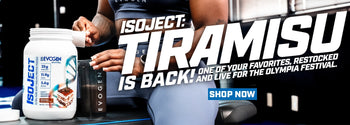
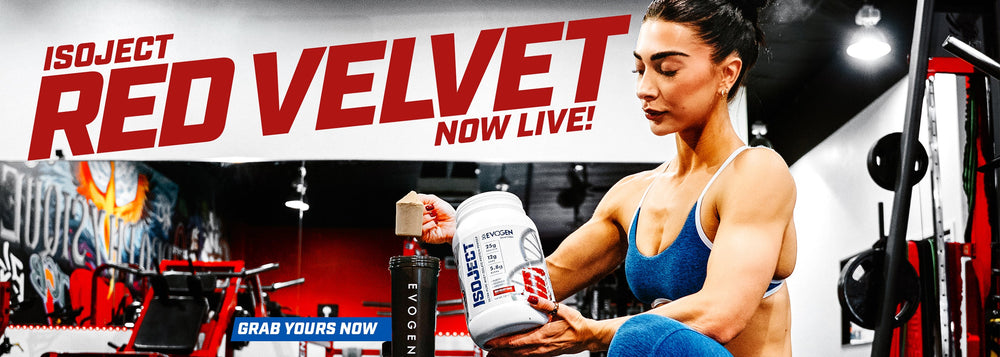
Evogen's IsoJect is a whey protein isolate that delivers fast-digesting, high-purity protein without the bloat that cheaper concentrates can cause.
It's built for athletes who expect real results from what they put into their bodies and don't want unnecessary fillers. Based on customer feedback, Isoject doesn't disappoint. For example, Renee had this to say:
"My fav protein powder! Excellent taste and quality!"
Timothy S. shared this:
"I'm loving this protein. The flavor is great, it mixes well with just water, it digests well and is so clean. I will definitely be purchasing more of this product."
Browse the full Evogen protein collection to find the right fit for your goals and training schedule.
Build Your Nutrition Around the Work You Put In
When recovery demands increase, your protein strategy should keep pace. Build your meals around protein-dense foods that make your targets easier to hit, keep convenient options within reach, and adjust your intake as your training changes.
That's the same principle Hany Rambod has built his coaching around: nail the fundamentals with real food first, and then use supplements to close the gaps.
It's the thinking behind IsoJect, and it's why we formulated it to be clean enough to use every day. When your nutrition consistently supports the work, every session has more behind it.