







Here's the TL;DR:
- Whey protein is a complete protein that delivers all nine essential amino acids to support muscle growth, recovery, and overall performance.
- Whey isolate offers the highest protein purity, while concentrate provides the best value and hydrolysate delivers the fastest absorption.
- Daily protein intake matters more than timing, but whey is especially convenient after workouts or whenever you need to fill protein gaps.
- One to two servings per day helps most active people reach their protein goals alongside a balanced, whole-food diet.
Building muscle doesn't happen in the gym alone. Every workout creates the stimulus for growth, but without enough high-quality protein, your body can't fully recover, adapt, or perform at its best.
Whey protein is a fast-digesting, complete protein packed with essential amino acids that support muscle growth, recovery, strength, and daily protein intake. Whey is available in three forms: isolate, concentrate, and hydrolyzed.
Whether you're buying your first tub or looking to upgrade to a premium whey protein supplement, this guide to whey protein explains what it is, how it works, which type is right for you, and how to get the best results from every scoop.
What Is Whey Protein?
Whey protein is the liquid portion produced during the cheese-making process. Manufacturers then filter, dry, and process it into the protein powder you see on store shelves.
Whey protein is one of the most popular forms of supplemental protein because it provides a complete amino acid profile, digests quickly, and is easy to incorporate into any nutrition plan.
Unlike casein, which digests more slowly, whey provides a rapid supply of amino acids, making it especially popular among athletes and anyone focused on building and maintaining muscle.
Key Benefits of Whey Protein Supplements
Whey protein does more than just add protein to your diet. From building lean muscle to recovering after intense workouts, whey protein supports many of the goals that matter most to serious athletes.
Complete Protein Source
Whey protein contains all nine essential amino acids (EAAs) that your body needs to repair and grow after training but can't produce on its own.
Whey also has a high concentration of branched-chain amino acids (BCAAs), particularly leucine, which support the building of new muscle tissue.
The protein content in whey is impressive compared to many other sources. A single serving of whey protein powder typically provides 20 to 25 grams of protein with minimal carbohydrates and fats.
Fast Absorption
Your body absorbs whey faster than most other protein sources. In fact, research shows that whey amino acids appear in your bloodstream within 15 minutes of consumption.
This rapid absorption makes it particularly useful around workouts when your muscles are primed for nutrients.
Helps Support Muscle Growth
Building muscle requires consistent resistance training and adequate protein intake. A whey protein supplement makes it easier to reach your daily protein goals and supports muscle growth by delivering all nine essential amino acids.
Whey is naturally rich in leucine, the amino acid that triggers muscle protein synthesis, helping repair and build new muscle tissue after training.
Its fast digestion delivers these amino acids when your muscles need them most, promoting muscle gain and helping preserve muscle mass during calorie deficits.
Speeds Muscle Recovery
Intense training creates microscopic damage in your muscle fibers. This damage is necessary for growth, but your body needs the right raw materials to repair it.
The fast absorption rate of whey means amino acids reach your damaged muscle tissue sooner. This can reduce muscle soreness and help you feel ready for your next training session faster.
During muscle recovery, your muscles repair and adapt to training stress. Taking whey protein after workouts supports this adaptation process, helping you progress in your training over time.
Helps Preserve Lean Muscle During Weight Management
Protein is the most satiating macronutrient, meaning it keeps you feeling full longer than carbs or fats.
Whey protein also has a higher thermic effect than other macronutrients, which means your body burns more calories digesting protein than it does digesting carbs or fats.
Losing weight without adequate protein often means losing muscle along with fat. Keeping your protein intake high with the help of whey protein powder ensures more of your weight loss comes from fat rather than muscle.
Helps Support Gains in Muscle Mass and Strength
Whey protein supplementation is one of the most researched supplements in sports nutrition. Numerous studies support its effectiveness for muscle growth, recovery, and maintaining lean muscle mass.
By providing a convenient source of high-quality protein and essential amino acids, whey helps support the training adaptations responsible for increases in muscle size and strength.
Versatile Way To Boost Your Protein Intake
The versatility of whey protein powder extends beyond simple shakes. You can add it to oatmeal, blend it into smoothies, or use it in protein bars and baked goods.
This flexibility makes hitting your daily protein targets much easier, especially on busy days when preparing whole-food meals isn't practical.
Types of Whey Protein: Whey Concentrate vs. Isolate vs. Hydrosolate
There are three main types of whey protein. The type you choose affects everything from digestion speed to grams of protein per serving.
Differences at a glance:
|
Feature |
Whey Protein Concentrate |
Whey Protein Isolate |
Hydrolyzed Whey Protein |
|
Protein Content |
70–80% |
90%+ |
Typically 90%+ |
|
Digestion Speed |
Fast |
Very fast |
Fastest |
|
Lactose Content |
Highest |
Very low |
Very low |
|
Fats & Carbs |
Moderate |
Minimal |
Minimal |
|
Best For |
Everyday use, beginners, budget-conscious buyers |
Lean muscle, lactose sensitivity, maximizing protein intake |
Post-workout recovery, rapid nutrient delivery |
|
Taste & Texture |
Creamy, rich flavor |
Clean, light texture |
Slightly bitter taste |
|
Typical Cost |
$ |
$$ |
$$$ |
|
Main Advantage |
Affordable and well-rounded |
High protein purity with minimal lactose and fat |
Fastest absorption available |
|
Potential Drawback |
More lactose and slightly less protein per serving |
Higher price than concentrate |
Highest cost and less appealing taste |
Whey Protein Concentrate
Whey protein concentrate is the most common and affordable type of whey on the market. It typically contains 70 to 80% protein by weight, with the remaining percentage made up of carbohydrates, fats, and lactose.
This form of whey undergoes minimal processing, which keeps costs down and preserves some naturally occurring beneficial compounds.
If you're looking for the best budget pick, whey concentrate fits the bill. It's a quick-digesting option that works well for most people.
The taste and mixability of concentrate tend to be excellent because the fats and carbohydrates contribute to a creamier texture. The trade-off is that it may bother those with lactose sensitivity due to its higher lactose content compared to other forms.
WPC works great for beginners just starting protein supplementation. It provides solid protein content at a price point that won't strain your wallet. Many people use whey protein concentrate as their everyday protein supplement without any issues.
Whey Protein Isolate
Whey protein isolate undergoes additional filtration to remove most of the fat and lactose. The result is a product that's typically 90% or higher protein by weight, making isolate a purer protein source with faster digestion.
People with mild lactose sensitivity often tolerate whey isolate better than concentrate due to the lower lactose content. If bloating or gas has been an issue with other protein powders, isolate might be your solution.
The higher protein content per scoop means you're getting more of what you actually want. Yes, it costs more than concentrate, but you're paying for purity.
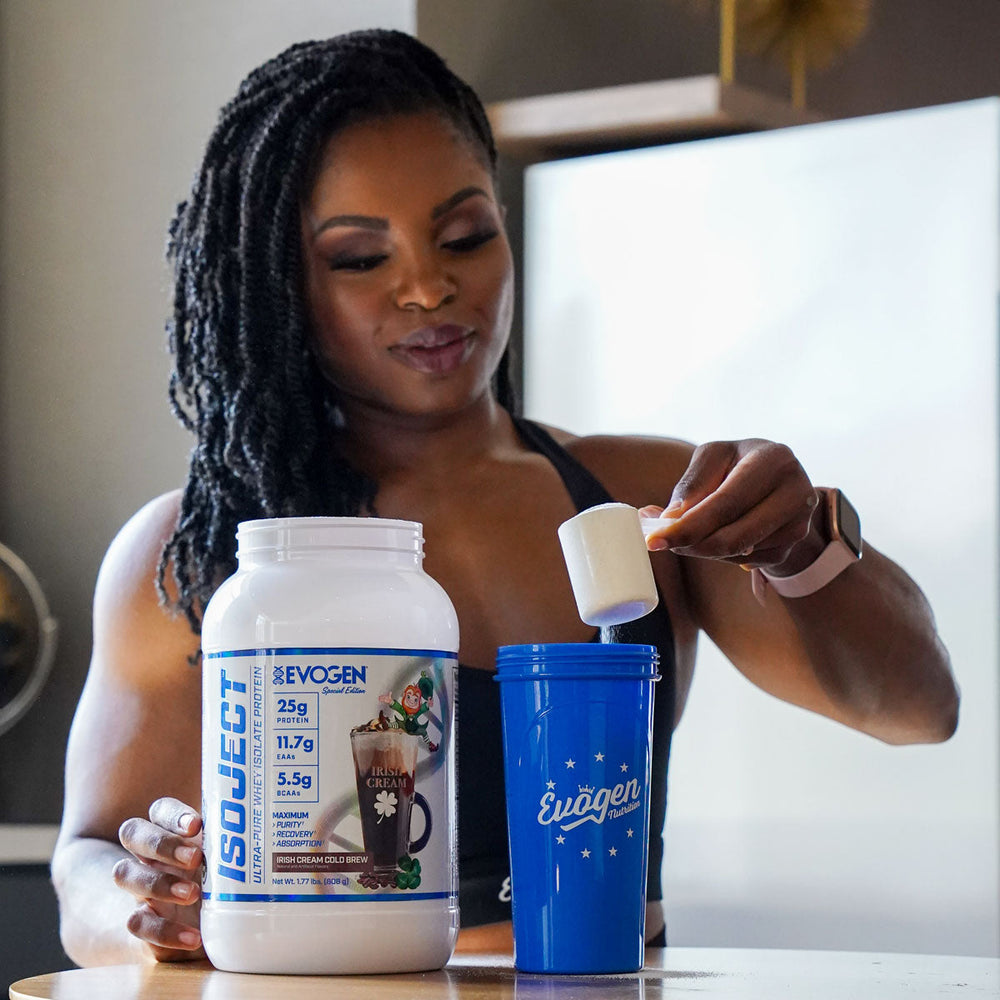
If you're looking for the best whey isolate option, Evogen's IsoJect delivers ultra-pure whey protein isolate with very low carbs and fats. It digests quickly and comes in more than 18 flavors, giving you variety without sacrificing quality.
Customer feedback says it all. For instance, Keenan P. recently shared this:
"Mixes well and taste is spot on!"
Hydrolyzed Whey Protein
Hydrolyzed whey protein, also called whey hydrolysate, is pre-digested through a process that breaks protein chains into smaller pieces called peptides.
It's the fastest-absorbing whey available, so it can be beneficial right after intense training when you want nutrients to reach your muscles as quickly as possible.
Some research suggests it may cause a slightly greater insulin response, which can help shuttle amino acids into muscle cells and keep blood sugar levels steady.
Hydrolyzed whey often appears in protein blends to speed up overall absorption and provide you with both fast- and slow-digesting proteins in one shake.
The downside is the taste, which can be slightly bitter. It's also the most expensive whey option.
How Much Whey Protein Should I Take per Day for Muscle Growth?
The answer depends on your body weight, activity level, and how much protein you already get from food.
Active individuals typically benefit from roughly 0.7 to 1.0 grams of protein per pound of body weight daily. If you weigh 180 pounds, that's roughly 126 to 180 grams of protein per day.
Whey protein supplementation helps you reach this target when whole foods alone fall short.
A typical serving of whey provides 20 to 25 grams of protein. Most people do well with one to two servings of whey daily. This amount fills protein gaps without replacing too many whole-food meals.
If you already eat plenty of chicken, fish, eggs, and dairy, you might only need one scoop to hit your daily protein goals. If your diet is lower in protein-rich foods, two scoops might make more sense.
When Is the Best Time To Take Whey Protein?
The best time to take whey protein is whenever it helps you consistently meet your daily protein needs.
While many people prefer a shake after training because whey digests quickly and delivers essential amino acids to recovering muscles, total daily protein intake has a greater impact on your results than exact timing.
- A post-workout shake is great if you don't have a protein-rich meal planned soon after exercising.
- Morning is another effective time for a protein shake. After sleeping all night, your body has gone hours without protein. A serving of whey with breakfast helps kickstart muscle protein synthesis for the day.
- Between meals works well for managing hunger and keeping protein intake consistent.
- Before bed can work too, though some people prefer slower-digesting proteins at night.
The key is using it to fill nutritional gaps rather than replacing balanced whole-food meals whenever possible.
What Is the Best Whey Protein Isolate To Buy?
When you're investing in your performance, you deserve a protein supplement that delivers what it promises. IsoJect was formulated to meet the demands of serious athletes who want premium quality without compromise.
IsoJect uses ultra-pure whey protein isolate as its foundation, so you get more protein per scoop with minimal carbs and fats, virtually zero lactose, and no unnecessary fillers or additives. Every batch meets strict standards for purity and potency.
When your muscles are ready to recover and grow, IsoJect delivers amino acids quickly to support muscle protein synthesis when it matters most, and with more than 18 flavors, you won't get bored with your protein routine.
A recent review by Eddie L., a very satisfied IsoJect user, sums it up nicely:
"Quick and efficient digestion and probably the best flavor profile of any protein on the market!!"
Getting Started With Whey Protein
Ready to add whey protein to your routine? Here's how to start smart and get the most from your protein supplement.
- Choose the right type for your needs and budget: Whey concentrate works great for most people and keeps costs down. If you have lactose sensitivity or want maximum protein per scoop, a high-quality whey isolate is worth the investment.
- Start with one serving daily: Mix your protein powder with water for fewer calories and faster absorption. Use milk if you want extra protein and a creamier texture.
- Time your shake strategically: Post-workout is a natural fit, but any time that helps you hit your daily goals works. Consistency matters more than timing.
- Pair your protein shake with whole foods: Add a banana, some oats, or a handful of nuts to your shake. This turns a simple protein supplement into a more balanced meal or snack.
- Don't rely solely on whey protein for all your protein needs: Lean beef, chicken, fish, eggs, and legumes provide additional nutrients that powder alone can't match.
Make Whey Protein Part of a Winning Strategy
Consistent training and smart nutrition will always outperform chasing shortcuts. Whey protein is simply one of the easiest ways to meet your daily protein needs, recover well, and stay on track with your goals, especially when life gets busy.
As Evogen founder Hany Rambod, "The Pro Creator," has long emphasized, success comes from executing the fundamentals day after day.
Choose high-quality nutrition, stay consistent, and let your daily habits compound into lasting strength, performance, and physique improvements.
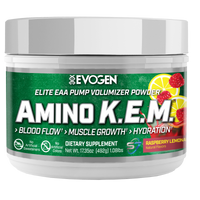
Recovery doesn't end when your protein shake is finished. For even greater muscle repair, hydration, and recovery support, pair IsoJect with Amino K.E.M., Evogen's advanced EAA and BCAA formula designed to help replenish what intense training demands.