










Here’s The TL;DR
- Supplements for muscle recovery work by supporting tissue repair, reducing muscle soreness, and restoring muscle function after high-intensity training.
- Muscle growth happens during the recovery process, not during the workout itself, when damaged muscle fibres rebuild stronger.
- Protein and essential amino acids are the primary nutrients your body uses for muscle repair and lean muscle growth.
- The best supplements for muscle recovery focus on helping with muscle damage, inflammation, and recovery post-exercise without unnecessary stacking.
- For most people, consistent post-workout protein intake improves physical recovery more than any advanced protocol.
Supplements for muscle recovery matter because muscle growth doesn’t happen under the bar. It happens after the work is done. Hard training creates exercise-induced muscle damage, tiny tears in muscle fibres that show up as muscle soreness, muscle pain, and delayed onset muscle soreness when recovery is sloppy. We’ve all lived it. You train hard, skip the recovery details, and suddenly the recovery process drags, muscle function drops, and progress stalls even though effort stays high.
In practice, recovery is about giving your body the raw materials it needs to rebuild muscle tissue. Protein and essential amino acids drive muscle repair, lean muscle growth, and recovery post-exercise. That’s where our IsoJect Whey Protein Isolate earns its spot. This fast-digesting whey protein powder delivers amino acids when muscles are most receptive after high-intensity training, helping reduce muscle soreness and support muscle recovery without overcomplicating things. We’ve seen it firsthand. When you take supplements consistently and get recovery right, performance stays high, and training momentum stays intact.
Why Your Muscles Need Help Recovering
Training is controlled damage. Every hard set creates microscopic muscle damage that triggers inflammation, muscle soreness, and fatigue in the human musculoskeletal system. We like to romanticize soreness, but in reality, unchecked inflammation and delayed-onset muscle soreness slow recovery in humans and increase the risk of muscle weakness over time. The body can repair itself, but only if it has the right support.
Every rep causes muscle contractions that stress muscle tissue and connective tissue. Your body wants to rebuild that tissue stronger, but it cannot do it on willpower alone. Without enough amino acids, protein, and key nutrients, tissue repair stalls and perceived muscle soreness following hard sessions sticks around longer than it should. That’s when training days start to feel heavier instead of productive.
The recovery process depends on timing and availability. Protein synthesis rebuilds damaged muscle fibres, anti-inflammatory support helps control excessive inflammation, and carbohydrates restore energy so recovery post-exercise can actually happen. Miss one of those pieces and supplementation on muscle soreness becomes inconsistent at best. We’ve seen it over and over. What you do after training determines how well you show up for the next session.
Top Supplements To Speed Up Muscle Recovery
Recovery doesn’t reward complexity. It rewards consistency. The best supplements for muscle recovery focus on solving real problems like muscle damage, muscle soreness, and slow recovery following exercise. We’ve seen it over and over. When lifters stop guessing and start supporting the recovery process properly, training quality goes up, and breakdown goes down.
For most people, recovery supplementation comes down to three categories that actually move the needle:
- IsoJect Whey Protein Isolate to drive muscle repair post-workout
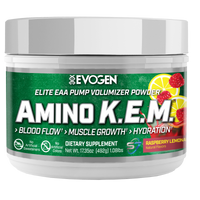
- Our Amino K.E.M. EAA supports muscle function and recovery during training
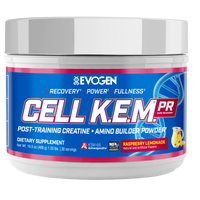
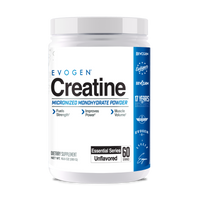
- Creatine improves recovery in humans by restoring cellular energy and reducing muscle damage
Protein Powder Basics
Protein is the foundation. No protein, no muscle repair. After high-intensity training, muscle fibres are primed for amino acids, and timing matters. A fast-digesting whey protein powder helps kickstart protein synthesis and support muscle recovery post-exercise without unnecessary digestive stress.
What matters with a protein supplement:
- Whey protein isolate for high bioavailability
- Around 25 to 30 grams of protein to support muscle tissue repair
- Low-fat and low-sugar content to avoid gastrointestinal issues
Where it fits:
- Post-workout, when muscle tissue is most receptive
- Daily use to support muscle mass, lean muscle, and long-term muscle growth
Branched-Chain Amino Acids Explained
Branched-chain amino acids include leucine, isoleucine, and valine, all of which play direct roles in muscle protein synthesis and muscle recovery supplements research. While protein powder contains BCAAs, free-form amino acid supplementation delivers them faster when muscle contractions, sweat loss, and fatigue are highest.
Why EAAs matter in practice:
- Leucine helps trigger muscle growth signaling
- BCAAs and essential amino acids help reduce muscle damage during training
- Electrolytes support hydration, muscle contractions, and recovery post-exercise
Where they fit:
- Our Amino K.E.M. EAA is designed for intra-workout use
- Helps reduce perceived muscle soreness following high-volume or long sessions
- Supports muscle function, so recovery following exercise starts sooner, not later
How Creatine Helps Muscles Heal
Creatine is not just about strength. It supports recovery in humans by replenishing ATP, the primary energy source for repeated muscle contractions. When ATP drops, performance drops, and muscle damage increases. Creatine helps close that gap.
Why creatine earns its place:
- Supports muscle function and energy metabolism
- Helps reduce muscle soreness and muscle damage compared to a placebo
- Improves recovery following exercise, especially during repeated sessions or a single bout of exercise performed at high intensity
How to use it:
- 3 to 5 grams daily
- Consistency matters more than timing
- Long-term supplementation works better than cycling
Natural Anti-Inflammatory Supplements
Inflammation is part of training. Too much of it is what slows you down. Hard sessions create muscle damage and inflammation in the musculoskeletal system, and if that response stays elevated too long, muscle soreness lingers, and recovery following exercise drags. We’re not trying to eliminate inflammation. We’re trying to manage it so the recovery process keeps moving.
Natural anti-inflammatory supplements can help reduce muscle soreness and support tissue repair without relying on medications that come with tradeoffs. Two options consistently show up in research and real-world training: fish oil and turmeric.
Fish Oil For Reducing Soreness
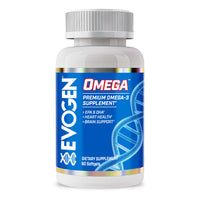
Fish oil is one of the most researched supplements that can help with muscle recovery and inflammation control. It supplies omega-3 fatty acids, specifically EPA and DHA, which play a role in reducing exercise-induced muscle inflammation and perceived muscle soreness following hard training.
Why fish oil earns its place:
- Omega-3 fatty acids help reduce muscle soreness and stiffness
- Supports muscle tissue health and muscle function
- May help preserve muscle mass during high-volume or high-intensity phases
- Plays a role in reducing inflammation without stressing the gastrointestinal tract
How most lifters use it:
- 2 to 3 grams of combined EPA and DHA daily
- Taken consistently, not just post-workout
- Works best as long-term supplementation for muscle soreness, not a quick fix
Turmeric Benefits For Athletes
Turmeric has been used in Ayurvedic medicine for centuries, and modern research backs up its role in recovery. The active compound, curcumin, has strong anti-inflammatory properties that support recovery in humans by helping control excessive inflammation tied to muscle damage.
What matters with turmeric:
- Curcumin is the compound doing the work
- Bioavailability matters more than dose
- Black pepper extract helps increase its bioavailability significantly
Why athletes use it:
- Helps reduce muscle soreness and joint stiffness
- Supports tissue repair after repeated muscle contractions
- May improve recovery following exercise without the side effects associated with NSAIDs
In practice, we see the best results when anti-inflammatory support is consistent and paired with proper nutrition, sleep quality, and recovery habits. Manage inflammation correctly, and training stays productive instead of draining.
Essential Vitamins And Minerals
Micronutrients don’t get hype, but they quietly decide how well you recover. Vitamins and minerals drive metabolism, muscle contractions, and tissue repair across the human musculoskeletal system. When levels are low, recovery post-exercise slows, sleep quality takes a hit, and muscle weakness starts creeping in. We see this all the time with lifters who are training hard but feel run-down, no matter how dialed their macros look.
This is also where carbohydrates matter. Reloading glycogen supports energy restoration and nutrient delivery, which is why our GlycoJect Super Carb fits around training when recovery demands are high. Carbs help shuttle nutrients into muscle tissue so the recovery process can actually move forward instead of stalling.
Vitamin D For Muscle Repair
Vitamin D acts more like a hormone than a standard vitamin. It plays a direct role in muscle function, protein synthesis, and recovery in humans. When vitamin D levels are low, muscle soreness lasts longer, injury risk rises, and strength output suffers.
Why vitamin D matters:
- Supports muscle repair and muscle function
- Helps reduce muscle weakness and fatigue
- Plays a role in bone health and overall physical fitness
What most athletes need:
- 2,000 to 4,000 IU daily, depending on body weight and sun exposure
- Consistent intake year-round, not just in winter
- Especially important for indoor athletes or those training early mornings
Magnesium And Electrolytes
Magnesium is a workhorse mineral. It supports muscle contractions, relaxation, and nervous system balance. Heavy training increases electrolyte loss through sweat, and when magnesium drops, cramps, poor sleep, and delayed recovery show up fast.
Why magnesium and electrolytes matter:
- Magnesium supports muscle relaxation and recovery following exercise
- Electrolytes help maintain hydration and muscle function
- Proper balance supports digestion, nutrient delivery, and sleep quality
How lifters typically use them:
- 200 to 400 mg of magnesium glycinate before bed
- Daily electrolyte intake during hard training phases
- Focus on sodium, potassium, calcium, and magnesium together, not in isolation
We’ve found that when micronutrients are consistent, recovery feels smoother and training stress becomes manageable instead of overwhelming. It’s not flashy, but it’s one of the easiest ways to help support muscle recovery long term.
Train Hard. Recover Smarter. Repeat.
Recovery decides what tomorrow’s workout looks like. When the recovery process is handled right, muscle soreness drops, muscle tissue rebuilds faster, and performance carries forward instead of falling off. Supplements for muscle recovery are not about doing more. They are about supporting muscle repair, reducing muscle damage, and improving recovery following exercise, so you can train with intent instead of just surviving sessions.
In practice, the approach stays simple. Our Amino K.E.M. EAA is used during training to support muscle function and hydration when fatigue starts to build. Our GlycoJect Super Carb fits around training to help restore glycogen and support recovery post-exercise. Our IsoJect Whey Protein Isolate is used after training, when muscle fibres are primed for repair and protein synthesis matters most. This covers the fundamentals of muscle recovery supplements without guesswork. It is the same disciplined system built and refined by 25x Olympia-winning coach Hany Rambod. Lock in recovery, stay consistent, and let your training actually pay off.