







Last Updated: February 2026
Here’s The TL;DR
- Learning how to detox your liver starts with supporting liver function, not forcing a cleanse or extreme protocol.
- Smart habits like hydration, training, sleep, and nutrition improve liver health and help prevent liver disease over time.
- Fatigue, digestive issues, and stalled performance can be early signs that your liver needs detoxing, especially for hard-training athletes.
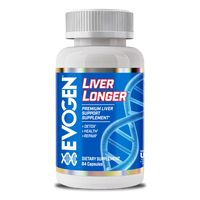
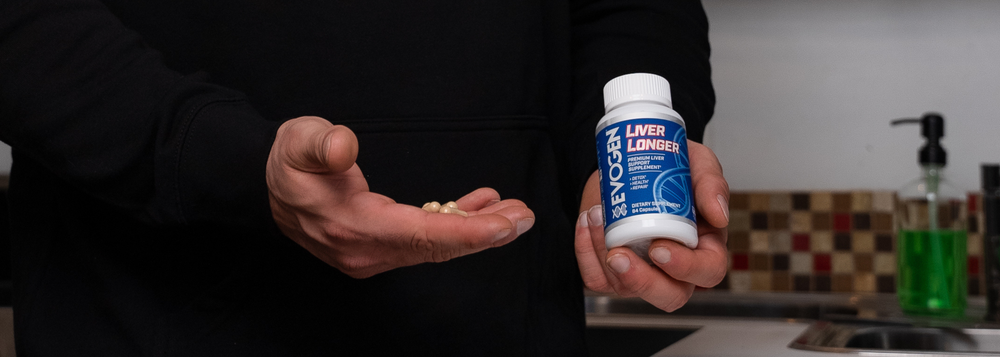
- Targeted support, like our Liver Longer, can help support your liver daily alongside proper nutrition and recovery.
- Real liver detox benefits come from consistency, not shortcuts.
If you want to know how to detox your liver, here’s the truth most detox plans won’t tell you: your liver already does the work, and your job is to stop getting in its way.
Your liver processes everything you consume. Food, supplements, alcohol, medications, and whatever else life throws at you all pass through this organ. When training stress is high, sleep is inconsistent, or nutrition slips, liver function can take a hit. That’s when liver health starts affecting energy levels, digestion, focus, and even body composition. Ignore it long enough, and you increase your risk of liver disease and fatty liver disease down the road.
The good news is your liver is resilient when you support your liver the right way. Hydration, whole foods with targeted antioxidant support for liver health, regular exercise, and quality sleep all help reduce inflammation and improve liver detoxification naturally. This approach delivers real liver detox benefits without starving yourself, chugging teas, or trying to cleanse your liver with short-term gimmicks.
Support Your Liver and Get Back to Feeling Like Yourself
When your energy is trash, digestion is off, and your training feels flat, that’s not bad luck. That’s your body waving a flag. Supporting your liver early matters if you want to improve liver health, avoid liver damage, and lower your long-term risk of liver disease.
This isn’t about trying to cleanse your liver with teas or extreme detox plans. It’s about removing the things that slow liver function down and reinforcing the habits that help your liver do what it already knows how to do. Nail these basics, and you unlock real liver detox benefits that actually last.
Start here and don’t overthink it:
- Cut alcohol and added sugar to reduce fat buildup in the liver
- Hydrate and sleep to support liver repair and detoxification
- Move your body daily to reduce liver fat and inflammation
Reduce Alcohol Intake and Added Sugar to Protect Liver Health
Alcohol is first in line for processing every time. That means your liver drops everything else to deal with it. Do that often enough and you create inflammation, stress liver cells, and increase your risk of liver disease, including alcoholic liver disease.
Pro Tip: Cut alcohol for at least 30 days if you want to give your liver real breathing room.
Sugar is just as sneaky. Excess sugar turns into fat, and that fat ends up in the liver. Over time, that fat accumulation in the liver can lead to fatty liver disease and impaired liver function. Ditch soda, candy, and ultra-processed foods. If your goal is to detox your liver naturally, this single step gives your liver the breathing room it needs to recover.
Hydration and Sleep That Support Liver Repair
Your liver runs on hydration. Without enough water, toxins don’t move out efficiently, liver detoxification slows, and your metabolic systems get sloppy. 11 to 15 glasses of water is the baseline, not the finish line. If you train hard, sweat a lot, or live in a hot climate, you need more. Adding lemon gives you light antioxidant support that’s good for liver health without turning this into some gimmicky routine.
Sleep is non-negotiable if you want liver repair to happen. This is when the real work gets done. Miss sleep consistently and you slow detoxification, drive up inflammation, and stall progress fast. Lock in a routine, get at least 7 hours, and treat sleep like part of your training plan, because it is!
Daily Movement to Help Cleanse Your Liver
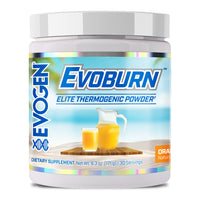
You don’t need brutal workouts to help your liver. You need consistency. Daily movement improves insulin sensitivity, helps reduce liver fat, and lowers inflammation over time. Athletes looking to amplify that calorie-burning effect can pair their sessions with a thermogenic fat burner like Evoburn, which supports metabolic output and calorie expenditure so each session contributes more toward reducing the liver fat burden. And it doesn’t start with some all-out plan.
Build from there. The long-term target is about 150 minutes of moderate activity per week, which sounds like a lot until you realize it adds up fast. Brisk walking, biking, or anything that gets your heart rate up and makes you break a light sweat all count. Show up daily, keep it simple, and let consistency do the heavy lifting for your liver.
Layer in resistance training a couple times per week, and you further protect liver cells from damage by improving blood sugar control. For those who want additional support, a glucose disposal agent like Evolog helps improve insulin sensitivity and carbohydrate partitioning at the cellular level, directly reducing the blood sugar spikes tied to fatty liver progression. That matters because poor glucose handling increases the risk of fatty liver disease and long-term liver damage. Start where you are. Even short movement breaks help your liver function better.
How Liver Detoxification Works
If you want real liver detox benefits, you need to understand one thing up front: liver detoxification isn’t a switch you flip. It’s a nonstop process that depends on how well you support your liver day after day. When liver function is dialed in, your body handles toxins efficiently. When it’s overloaded, things slow down, and liver damage starts creeping in.
Your liver already knows how to do its job. Problems show up when lifestyle stress piles on faster than your liver can keep up. Poor sleep, excess alcohol, low-quality food, and chronic inflammation all drag liver health down. Support the system, and it performs. Ignore it, and you increase your risk of liver disease over time.
Core Liver Function and Detox Explained
Your liver is one of the hardest-working organs in your body. It processes the food you eat, regulates blood sugar levels, produces bile to digest fat, stores vitamins and minerals, and protects liver cells from damage. That workload doesn’t stop just because you’re busy or tired.
Liver detoxification happens in two phases. Phase one breaks toxins into intermediate compounds. Phase two converts those compounds into water-soluble forms that your body can eliminate through urine or stool. This process relies on proper nutrition, hydration, and healthy liver cells. When those are in place, your liver detox system works exactly as designed, without forcing a cleanse or chasing shortcuts.
What actually supports this process in the real world:
- Adequate protein and micronutrients to fuel detoxification pathways
- Hydration to help move waste products out efficiently
- Consistent sleep to support liver repair and metabolic balance
- Regular movement to reduce liver fat and inflammation
Each of these directly impacts liver function. Miss them, and detoxification slows. Stack them together, and your liver works the way it should.
The Reality About Liver Cleanses and Detox Claims
Here’s where a lot of people get misled. Most programs marketed to cleanse your liver are built on the idea that toxins are just sitting there waiting to be flushed out. That’s not how the liver works. It’s processing toxins constantly. A lot of detoxes and juice-only plans strip food down so much that your liver misses out on key nutrients needed for detoxification, and clinical evidence doesn’t show they actually improve health.
There’s no overnight reset. Improving liver health takes weeks and months of consistent habits, especially if there’s fat buildup in the liver or early fatty liver disease involved. Sustainable diet and lifestyle changes are what lower your risk of liver disease and help protect liver cells long term.
This is where smart supplementation fits in. For athletes and high performers who already have the basics in place, Evogen’s Liver Longer is designed to support liver detoxification alongside proper nutrition, training, and recovery. It doesn’t replace the work. It reinforces it.
Liver Support Supplements and Detox Products Explained
Once the fundamentals are in place, supplements can play a supporting role in how to detox your liver, especially for athletes who train hard and place extra demand on liver function. The goal isn’t more products. It’s reinforcing consistency.
That’s where our Liver Longer fits in as once-daily liver support alongside proper nutrition, hydration, and recovery.
You’ll hear athletes talk about liver support stacks and popular detox products, but it’s important to separate what’s useful from what’s just trending. Supplements should support liver health, not replace lifestyle habits or promise shortcuts. Used correctly, they reinforce the work you’re already doing.
Here’s how these options typically break down:
- Best supplement for athletes: Liver Longer as once-daily liver support; some athletes also use ingredients like milk thistle or NAC when fundamentals are already in place
- Liver support stacks and powders: This is used consistently alongside a balanced diet and limited alcohol intake
- Popular detox kits and teas: Detox teas and cleanse kits are widely marketed, but most are short-term and don’t address the habits that actually improve liver health; even coffee has more evidence for supporting liver health than many detox teas
The takeaway is simple. Supplements should support your liver, not distract you from doing the work. Lock in the basics first, then use tools that reinforce long-term liver health instead of chasing quick fixes.
Signs Your Liver Needs Detoxing
Your liver usually gives you warnings long before things turn serious. The problem is that most people miss them or explain them away. When liver function starts slipping, performance drops, energy tanks, and small issues stack up fast. Catching the early signs your liver needs detoxing can make the difference between course correction and full-blown liver disease.
Think of this as feedback, not fear. When liver cells are overloaded, inflammation rises, detoxification slows, and your body starts sending signals. Paying attention early is one of the smartest ways of taking care of your liver and lowering your long-term risk of liver disease.
Symptoms Your Body Is Already Sending
When your liver is under stress, it shows up in how you feel day to day.
Early signs your liver may be under stress often show up in subtle ways and are easy to brush off at first:
- Persistent fatigue or low energy that doesn’t improve with rest
- Brain fog, poor focus, irritability, or mood changes
- Digestive issues such as bloating, constipation, nausea, or inconsistent appetite
- Unexplained weight gain around the midsection is linked to fat buildup in the liver
- Skin issues like acne, rashes, or constant itching that may reflect toxin buildup
- Dark urine, pale stools, yellowing of the skin or eyes, or a metallic taste in the mouth are more serious red flags and should be checked by a health professional
None of these alone confirms liver disease, but together they can signal that your liver is struggling to keep up.
Liver Detox Benefits and Limits
Setting realistic expectations helps you achieve sustainable liver health improvements without falling for marketing hype. Understanding what's possible and what's not prevents disappointment and keeps you focused on achievable goals that truly support your liver function.
What Improves and What Does Not
When you support your liver’s natural detoxification systems, some changes show up faster than you’d expect.
Here’s what people often notice when things start moving in the right direction:
- More consistent energy and fewer crashes
- Better digestion and less bloating
- Clearer skin as inflammation decreases
- Improved focus and mental clarity
- Easier fat metabolism and improved blood sugar control
It’s also important to understand what liver support won’t fix overnight:
- Existing scar tissue from cirrhosis does not disappear in weeks
- Genetic liver conditions don’t reverse through lifestyle changes alone
- Damage caused by viral hepatitis takes time and may not fully resolve
- Long-term alcohol-related liver damage improves gradually, not instantly
You can’t undo years of liver damage in days, but consistent habits can help slow progression, support liver repair where possible, and protect long-term liver health.
For athletes and high performers who already have healthy basics in place, our Liver Longer fits as a daily liver support that complements smart nutrition and recovery.
Foods That Support Liver Health
Your liver doesn’t need fancy meal plans or superfood hype. It needs the right inputs consistently. The foods you eat either support liver detoxification and liver repair, or they quietly work against you. When diet and liver health are aligned, your liver processes toxins more efficiently, inflammation comes down, and liver cells have what they need to recover.
This isn’t about perfection. It’s about stacking foods for liver health that do real work behind the scenes and cutting the ones that slow everything down.
Cruciferous Vegetables and Leafy Greens
If you’re serious about supporting your liver, cruciferous vegetables should be in regular rotation. Broccoli, cauliflower, and Brussels sprouts contain compounds that support liver enzyme activity and help your liver neutralize harmful substances. Lightly steaming them keeps digestion easy while preserving nutrients.
Leafy greens like kale, spinach, and arugula bring chlorophyll, which supports the body’s natural detox pathways and overall liver detoxification. They also supply key vitamins that support liver function and bile production. Add them to salads, toss them into smoothies, or sauté them lightly. Aim for variety and consistency, not culinary perfection.
Antioxidant Fruits, Beets, and Citrus
Antioxidants matter when it comes to liver health because they help protect liver cells from oxidative stress. Berries like blueberries and cranberries are loaded with antioxidant properties and are linked to reduced liver inflammation. Fresh or frozen, both work, so there’s no excuse to skip them.
Beets deserve special attention. They support phase two detoxification and help bile flow, which improves fat digestion and supports liver repair. Citrus fruits add vitamin C and flavonoids that support glutathione production, a compound that plays a central role in liver detoxification and overall health.
These foods don’t work in isolation. They work when they’re part of a diet that supports your liver day after day.
Foods That Drive Inflammation and Slow Liver Function
What you remove matters just as much as what you add:
- Processed meats bring excess sodium and preservatives that stress the liver
- Fried foods create inflammatory compounds that make liver detoxification harder
- Trans fats and refined grains push blood sugar levels up, driving fat accumulation in the liver and increasing the risk of fatty liver disease
- High fructose corn syrup is especially rough on liver health, fueling inflammation and insulin resistance
- Restaurant meals often stack multiple liver stressors into one plate
Support Your Liver and Keep It Healthy Long Term
If you want to know how to detox your liver, it starts with understanding this: your body already has the systems in place. Your job is to support your liver, not punish it with extreme cleanses. Consistent habits like smart nutrition, daily movement, hydration, and sleep are what improve liver health and protect liver function over time.
Start simple and stay consistent. Drink more water, prioritize foods for liver health like leafy greens and cruciferous vegetables, and move your body every day. Even a 20-minute walk helps reduce inflammation, support liver detoxification, and lower your risk of liver disease. These basics may not be flashy, but they’re how you keep your liver healthy and working for you long term.
Taking care of your liver is about progress, not perfection. When the fundamentals are locked in, Evogen’s Liver Longer provides targeted daily support that complements a disciplined lifestyle and helps reinforce healthy liver function. Take action now and support your liver today so it can keep supporting you for years to come.