









Vitamins for energy and tiredness play a central role in how your body produces the fuel you count on every time you train. Anyone who lifts, runs, or pushes their limits knows the difference between a day when everything fires and a day when every rep feels heavier than it should. While it is easy to blame stress or a busy schedule, low energy often starts with nutrient gaps. When your cells do not have the raw materials they need to convert food into usable energy, performance slips. Sluggish workouts, heavy legs, slow recovery. We have all been there.
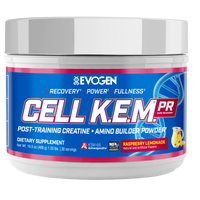
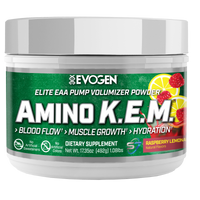
A solid diet builds a strong foundation, but athletes often require more than the baseline. Training increases nutrient demand, and even small gaps can affect your output. Once you understand how specific vitamins influence energy production, you begin to train with more consistency, recover faster, and feel stronger session to session. Energy is never random. It is built, and many athletes reinforce that foundation with targeted amino acid support, such as Amino K.E.M.
Why You Feel Tired and Low on Energy
Fatigue is one of the most common signs that something in your system needs support. Yes, sleep matters, but energy is ultimately built at the cellular level. Without the vitamins and minerals that drive ATP production, even the most disciplined athlete will feel a drop in performance. Many people experiencing chronic fatigue discover that nutrient gaps are the real issue, not motivation or work ethic.
Common Causes of Fatigue
Several factors show up again and again among tired athletes, including:
- Low vitamin B12
- Low iron
- Low vitamin D
- Poor sleep quality
- High stress
- Dehydration
- Overtraining
- Under-eating micronutrients
Medical conditions such as anemia or thyroid dysfunction also impair energy metabolism. When athletes struggle with chronic fatigue despite consistent training, nutrient status is almost always part of the conversation.
How Your Body Produces Energy
ATP is the currency that fuels every rep, stride, and contraction. Your cells produce ATP inside the mitochondria, and that process depends heavily on vitamins and minerals. B vitamins act as coenzymes that help break down carbohydrates, fats, and proteins. Magnesium activates the enzymes that use ATP for muscle contraction. Iron transports oxygen to working muscles so they can generate energy efficiently. When any of these nutrients run low, ATP production slows and training feels harder than it should.
When to See a Doctor
If fatigue lasts more than two weeks, even with proper sleep and recovery, it is time to get blood work done. Low B12, low iron, and low vitamin D levels are common findings. Thyroid irregularities also play a role. Testing removes guesswork and helps you build a plan based on data instead of assumptions.
How Energy Systems Break Down When Nutrients Run Low
Many athletes eat enough calories yet still feel exhausted because the issue is not fuel intake but the lack of vitamins and minerals needed to turn that fuel into energy. When cofactors are missing, mitochondria cannot produce ATP efficiently. Energy drops, performance dips, and training plateaus become more common. Addressing nutrient gaps often restores energy faster than adding more calories or caffeine.
Essential B Vitamins for Energy Production
B vitamins sit at the center of nearly every metabolic process related to energy. Training increases your body's demand for these nutrients, which is why consistent intake matters for consistent performance. When athletes address low B vitamin levels, they often notice improvements in strength, focus, and recovery almost immediately.
Vitamin B12 for Red Blood Cell Formation
Vitamin B12 supports red blood cell production, which helps transport oxygen to working muscles. Low B12 often shows up as brain fog, early fatigue, or reduced endurance. Plant-based athletes are at higher risk since B12 is mainly found in animal foods. The general daily recommendation is 2.4 micrograms, though athletes with low levels often require more support.
How B Vitamins Convert Food Into Energy
Each B vitamin plays a different role in energy production:
- Thiamine helps convert carbohydrates into fuel
- Riboflavin and niacin support ATP production in the mitochondria
- Pantothenic acid forms coenzyme A for fat and carbohydrate metabolism
- Vitamin B6 supports glycogen breakdown during training
- Biotin and folate help with amino acid use and red blood cell formation
Since these vitamins work as a system, many athletes prefer using a complete B-complex.
Signs You Need More B Vitamins
Common signs include fatigue despite adequate sleep, difficulty focusing, muscle weakness, irritability, and physical symptoms like cracked mouth corners or a swollen tongue. These issues often improve quickly once B vitamin intake increases.
How B Vitamins Influence Strength, Cognition, and Recovery
Strong performance depends on more than muscle output. Your brain’s ability to stay sharp under load matters too. B vitamins help support neurotransmitter production and mental stamina, keeping you focused through long sessions. They also help your body use amino acids efficiently during recovery. Many athletes pair their B vitamin intake with amino acid support like our Amino K.E.M. to reinforce this process.
When Athletes Should Consider Additional B Vitamin Support
Athletes following plant-based diets, training at high volumes, or experiencing late-session fatigue often benefit from additional B vitamins. Because they are water-soluble, your body uses what it needs and does not store the rest. The key is consistency. When intake is steady, your energy becomes steadier too.
Iron and Its Role in Fighting Fatigue
Iron directly affects oxygen delivery, which influences your endurance, power output, and overall energy. Low iron is one of the most common nutritional issues among active individuals, especially endurance athletes and menstruating women. Correcting iron levels often produces a dramatic improvement in training capacity.
Iron Deficiency and Energy Levels
When iron is low, oxygen delivery slows. This leads to reduced endurance, frequent colds, cold hands and feet, and fatigue that does not improve with rest. Many athletes do not realize how much iron impacts performance until levels fall and their training declines.
Who Needs Iron Supplements
Iron supplementation should only be used when blood work confirms low ferritin levels. Too much iron can be harmful. Groups most likely to require additional iron include:
- Menstruating women
- Pregnant women
- Plant-based athletes
- Endurance athletes with high sweat loss
Best Sources of Dietary Iron
Highly absorbable iron is found in beef, poultry, and seafood. Plant-based sources include lentils, spinach, and fortified cereals. Pairing iron-rich foods with vitamin C boosts absorption, while drinking tea or coffee around meals reduces it. Supplements like ferrous bisglycinate tend to be easier on digestion.
Magnesium for Energy Metabolism
Magnesium plays a major role in how your muscles contract, relax, and produce energy. When magnesium levels dip, training feels harder than it should, and recovery slows. Many athletes feel a noticeable difference from increasing magnesium intake.
How Magnesium Helps Generate Energy
Magnesium assists with glycolysis, the citric acid cycle, protein synthesis, and muscle contraction. Even mild deficiencies increase the energy cost of exercise. When athletes report fatigue despite eating well and recovering properly, magnesium intake is often one of the first things we review.
Magnesium Supplements for Fatigue
Different forms serve different needs:
- Magnesium glycinate is gentle and well absorbed
- Magnesium malate supports energy production
- Magnesium citrate aids digestion but may cause loose stools
Most athletes take 200–400 mg per day, depending on training load.
How Magnesium Supports Training and Recovery
Magnesium affects hydration balance, nerve signaling, and muscle relaxation. When levels improve, athletes often experience better sleep, reduced tightness, and smoother recovery. These factors directly influence day-to-day training quality.
Dietary Sources of Magnesium
Magnesium-rich foods include pumpkin seeds, almonds, cashews, spinach, black beans, quinoa, yogurt, and avocados. Many athletes underestimate how much magnesium they burn through during hard training cycles, so tracking intake for a few days can help identify gaps.
Vitamin D and Muscle Function
Vitamin D plays a key role in muscle strength, neuromuscular function, and overall energy. Many athletes who train indoors or live in low-sunlight regions have low levels without realizing it. Bringing vitamin D into the optimal range often leads to noticeable improvements in power and recovery.
Vitamin D and Energy
Low vitamin D correlates with reduced power output, slower recovery, and increased general tiredness. Because vitamin D affects neuromuscular signaling, even small improvements can change how explosive you feel during training.
How to Get Enough Vitamin D
Vitamin D comes from sunlight, fatty fish, and fortified foods. Many athletes require supplementation, especially in winter or during heavy training blocks. Testing helps determine the right dose for each individual.
Vitamin C and Energy Support
Vitamin C supports the production of carnitine, which helps transport fatty acids into the mitochondria for energy production. This makes it especially important during high-intensity training phases.
How Vitamin C Helps Reduce Fatigue
Vitamin C supports iron absorption, neurotransmitter production, and the reduction of oxidative stress caused by heavy training. Many athletes consume 200–500 mg daily to support energy and recovery.
Vitamin C and Iron Absorption
Vitamin C improves your ability to absorb nonheme iron from plant-based foods. This combination helps support red blood cell production and energy levels, especially in athletes who rely on plant-based diets or struggle with low iron.
Zinc and Recovery
Zinc supports protein synthesis, immune health, and tissue repair. Low zinc can slow recovery and increase susceptibility to illness, especially during demanding training cycles.
Who Should Consider Zinc Supplementation
Athletes who follow plant-based diets, restrict calories, or frequently get sick may benefit from assessing their zinc intake. Improving zinc levels often helps athletes recover more consistently.
The Best Vitamins for Energy and Tiredness for Training and Recovery
If your goal is to train harder and recover faster, the most impactful vitamins for energy and tiredness are the ones that directly support ATP production, oxygen delivery, and muscle function. These include:
- B-complex vitamins
- Vitamin D3
- Magnesium
- Iron when lab testing confirms low levels
Many athletes pair these vitamins with performance support like our Amino K.E.M. during training and our IsoJect afterward to reinforce recovery.
Evidence-Backed Vitamins for Elite Gym Performance
Research consistently highlights a few vitamins that move the needle for in-gym performance:
- B-complex for energy metabolism and focus
- Vitamin D for strength
- Magnesium for ATP availability, sleep, and output
- Zinc for recovery and immune support
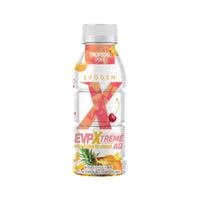
These vitamins stack well with formulas like our EVP-3D or EVP Xtreme N.O., depending on your stimulant preference.
Vitamins Most Popular Among Athletes Chasing Their Personal Best
Many athletes rely on a multivitamin emphasizing B12, B6, vitamin D3, and magnesium, adding iron only when testing confirms low levels. Choosing a high-quality multivitamin that delivers these nutrients consistently can help support daily energy, recovery, and overall performance.
Putting Your Energy System Together
These nutrients work as a team. When one falls short, energy production slows, even if everything else is on point. The smartest approach is to know your numbers, eat a nutrient-dense diet, and supplement strategically.
Start With Testing
Testing ferritin, B12, vitamin D, and magnesium helps you understand your baseline and avoid unnecessary supplementation.
Prioritize Whole Foods
Whole foods provide the foundation for your energy system. Focus on:
- Lean protein
- Legumes
- Leafy greens
- Whole grains
- Nuts and seeds
- Fruit
When to Supplement
Use supplements when labs or training demands show you need them:
- B12, iron, and vitamin D should be based on testing
- Magnesium supports sleep, muscle function, and energy metabolism
- Vitamin C supports recovery and iron absorption
- Zinc strengthens immunity and tissue repair
Smart Stacking for Athletes
Many athletes combine foundational vitamins with performance formulas. Our EVP AQ contains glycerol for hydration and endurance, and our IsoJect supports post-workout protein needs. We avoid pairing protein and pre-workout at the same time to support optimal absorption and effect.
How to Use These Vitamins Day to Day
Spread water-soluble vitamins throughout the day. Take fat-soluble vitamins like vitamin D with food. Avoid caffeine near iron-rich meals. Track your sleep, recovery, and training quality to monitor progress.
Choosing Quality Supplements
Look for bioavailable, third-party tested nutrients. Evogen formulas are made to complement these foundational vitamins and support your training, hydration, and recovery.
What the Clinical Evidence Says
Research consistently shows that:
- B vitamins support energy metabolism
- Magnesium improves ATP use
- Vitamin D supports muscle function
- Vitamin C supports recovery
- Iron deficiency reduces endurance
Together, they form the foundation of consistent training output and daily vitality.
Hany Rambod, Evogen’s CEO and Founder, often reminds athletes that real performance starts with the fundamentals: supporting the body with the micronutrients, hydration, and recovery tools it needs to perform at its best. His entire training philosophy is built on precision, consistency, and evidence-based supplementation.
A Smarter Path to Better Energy
Monitor how your strength, endurance, and recovery evolve as you improve your nutrient intake. Retesting after eight to twelve weeks confirms whether your plan is working and guides your next steps.
Finish Strong With Better Energy and Recovery
When your vitamin and mineral levels are dialed in, everything changes. Your recovery feels smoother, your strength climbs, and your training becomes more consistent. Once you understand your nutrient status and intentionally fill the gaps, your performance becomes more predictable and your progress more sustainable. Many athletes reinforce their energy and recovery stack with targeted amino acid support, such as Amino K.E.M.
Dialing in the right vitamins for energy and tiredness helps you train harder, recover faster, and feel more capable in every part of your day. Start with testing, build a nutrient-rich diet, and add supplements that match your individual needs. With a consistent plan, your energy becomes more reliable, and your training becomes more productive.
No matter where you are in your journey, Evogen is here to help you level up your performance with the right tools, the right guidance, and the right science-backed support to help you unlock your true potential.