






Here's the TL;DR:
-
GLP-1 medications reduce appetite, which means that nutrient density and meal structure are critical.
-
Protein intake is non-negotiable to preserve muscle and maintain metabolic performance.
-
Fiber and hydration support digestion, satiety, and consistent energy levels.
-
Smaller, strategically timed meals outperform relying on hunger cues alone.
-
Supplementation helps fill gaps and maintain performance when intake is low.
-
The goal is weight loss, of course, but it also should be to improve body composition and overall performance.
GLP-1 medications are changing the way many people are approaching weight loss by helping reduce appetite, improve blood sugar control, and drive significant fat loss.
However, they also change how you eat, and without a plan, that can mean muscle loss, low energy, and nutrient gaps.
The best diet strategy when taking a GLP-1 medication prioritizes high-quality protein, fiber, hydration, and nutrient-dense foods to preserve muscle, support recovery, and maximize results.
Knowing how to fuel your body with precision so that your progress reflects performance, not just a lower number on the scale, makes all the difference.
How GLP-1 Medications Affect Appetite, Digestion, and Nutrition
Glucagon-like peptide-1 (GLP-1) receptor agonists enhance satiety signaling while slowing gastric emptying. This means that food stays in your stomach longer, and hunger drops fast.
The result is a sharp reduction in calorie intake, often below what’s needed to support muscle and recovery.
Add in common side effects of GLP-1s, such as limited food tolerance, constipation, and nausea, and you’re not just eating less; you’re processing, absorbing, and tolerating nutrients differently, which increases the risk of gaps.
Why Nutrition Matters More Than Ever on GLP-1 Therapy
When intake drops, high-quality nutrition is non-negotiable. Inadequate protein intake accelerates muscle loss, and reduced food volume makes micronutrient deficiencies more likely. Low energy availability can impact training output, recovery, and overall performance.
This is where body composition separates from simple weight loss. Every bite needs to deliver. Prioritizing nutrient density ensures you preserve lean tissue, sustain energy, and actually improve how your body looks and performs.
What Foods Are Recommended on a GLP-1 Meal Plan?
When appetite is low and portions shrink, food quality has to carry more weight. Your goal shouldn't be to consume less. Your goal should be to eat smarter by choosing options that deliver protein, fiber, hydration, and micronutrients efficiently.
Prioritize Protein From High-Quality Sources (Non-Negotiable)
Build every meal around protein. Think lean meats, eggs, fish, and Greek yogurt. When appetite is low, prioritize protein first and eat it early.
Liquid options can be a game-changer as they're fast-digesting, easy to tolerate, and efficient. A high-quality whey isolate such as IsoJect makes it easier to hit daily protein targets without forcing large meals or risking digestive discomfort.
The results we've seen speak for themselves. For example, Angela H., a dedicated IsoJect user, shared this:
"I have used Isoject exclusively for the past year! I've tried every other manufacturer and only found quantifiable changes when using this product. It's clean, helps speed my recovery, and the taste is it of this world! Hats off to the Evogen team; another home run!"
Fiber-Rich Foods for Satiety and Gut Health
We all know that fiber helps keep your system moving. Vegetables, fruits, legumes, and whole grains help support digestion that’s been slowed by GLP-1 medications. They also stabilize blood sugar and extend satiety between meals, but increasing fiber intake isn't always easy.
Focus on easy-to-tolerate options such as berries, oats, spinach, and lentils, especially if larger, heavier meals feel uncomfortable.
Nutrient-Dense, Low-Volume Foods
With a limited appetite, you need foods that deliver more in less space. Leafy greens, berries, nuts, and seeds provide vitamins, minerals, and antioxidants without requiring large portions.
Think efficiency; focus on small servings that still contribute meaningfully to recovery, immune support, and overall health. These foods help close nutrient gaps without overwhelming your digestive system.
Hydrating Foods and Fluids
Staying hydrated supports digestion, helps manage appetite signals, and prevents fatigue that can derail training, but reduced food intake often means reduced fluid intake, which can impact performance and recovery.
Prioritize water consistently, and include high-water foods such as cucumbers, watermelon, and citrus fruits. Electrolytes are also important, especially if intake is low or activity is high.
What Not To Eat on GLP-1 Weight-Loss Therapy
Highly processed foods, fried meals, and sugar-heavy options deliver calories without much nutritional return, which is exactly what you can’t afford when intake is limited.
High-fat foods can also worsen nausea due to slower digestion, and carbonated beverages may increase bloating and discomfort. Alcohol adds metabolic stress and is often less tolerated by GLP-1 users.
The solution is simple: don’t waste limited calorie intake on foods that fail to support muscle retention, recovery, or overall performance.
Protein, Fiber, and Hydration: The Three Pillars of a GLP-1 Diet
When appetite is suppressed, and you're only able to eat smaller meals, your nutrition strategy has to become more intentional. Protein, fiber, and hydration form the foundation that keeps muscle intact, digestion functioning, and performance stable, even in a calorie-restricted state.
Protein for Muscle Retention and Recovery
Protein is your first line of defense against muscle loss in a reduced-calorie environment. It supports muscle protein synthesis, recovery, and metabolic function, which are key for maintaining performance.
Aim for consistent intake across the day, prioritizing protein early when appetite is highest. If full meals aren’t realistic, use protein shakes or smaller feedings to stay on track and preserve lean tissue.
Fiber for Digestive Support and Satiety
GLP-1 medications slow digestion, which can lead to irregularity without adequate fiber. Fiber helps keep your digestive system moving while also stabilizing blood sugar and extending satiety.
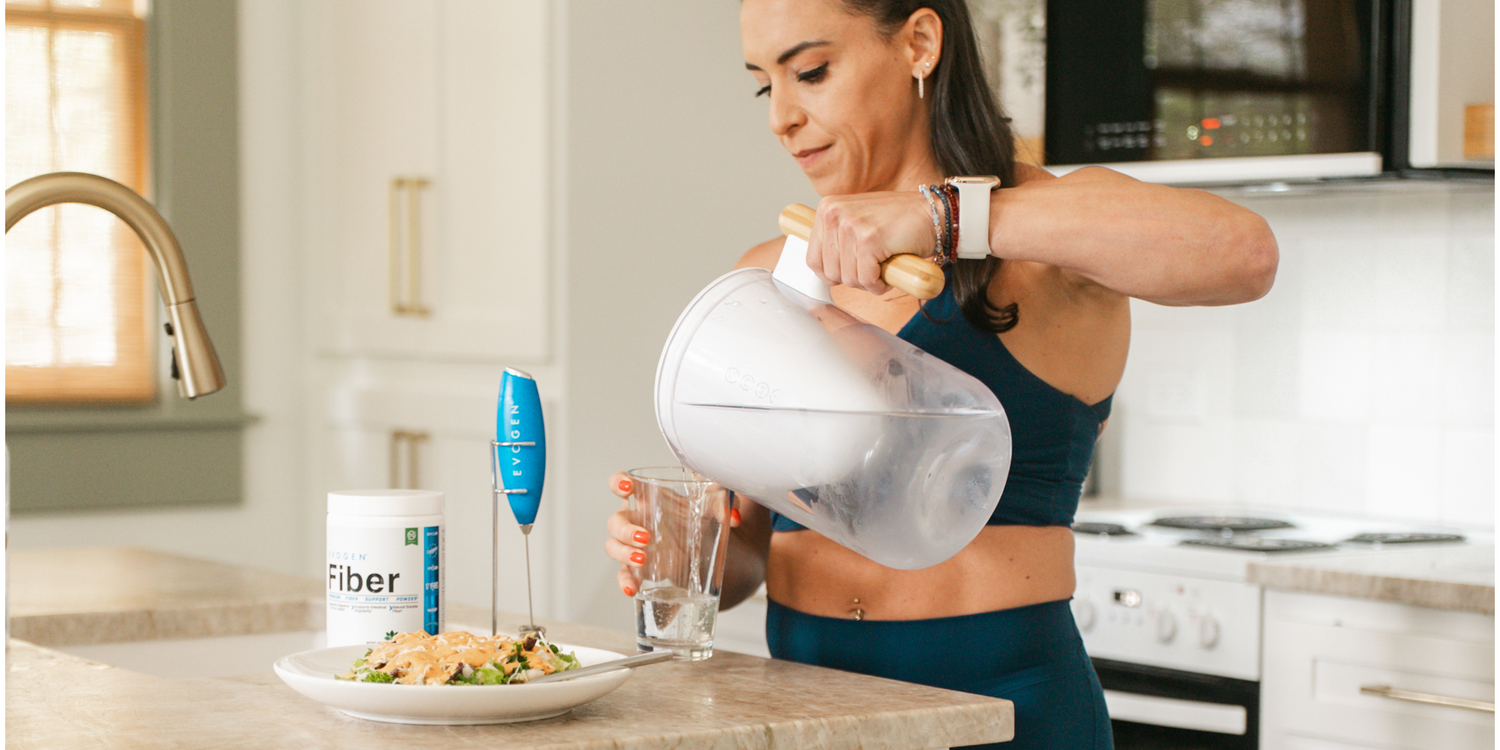
Prioritize a mix of soluble and insoluble sources from whole foods, and consider adding a premium fiber supplement such as Evogen Fiber when intake falls short to maintain consistency and gut health.
Hydration for Performance and Appetite Regulation
GLP-1 medications reduce hunger, but they also reduce your sense of thirst, which increases your risk of dehydration. Hydration is critical for digestion, nutrient transport, and training performance.
Prioritize drinking plenty of water throughout the day, and include electrolytes to maintain proper fluid balance.
A hydration supplement that includes a full electrolyte profile, such as Evogen Hydration, makes it simple. Strategic hydration supports energy levels, reduces fatigue, and helps regulate appetite cues that can become unreliable on GLP-1 therapy.
What Supplements Can I Safely Combine on GLP-1 Therapy?
A well-structured supplement plan can help fill nutritional gaps, support performance, and make lower food intake more effective. The key is choosing supplements that enhance recovery, digestion, hydration, and muscle retention without interfering with your medication.
Always consult your healthcare provider before adding supplements to ensure safety and proper integration with your GLP-1 protocol.
Protein Supplements
When appetite is inconsistent, protein supplements become essential for maintaining muscle and supporting recovery. A blend of whey and casein provides both fast and sustained amino acid delivery, helping you stay anabolic longer between meals.
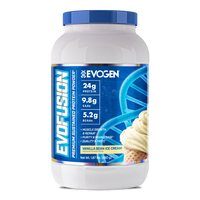
EvoFusion is a strategic option here, delivering high-quality protein in a form that’s easy to consume even when solid food intake is low or unappealing.
We know our products work, but you don't have to take our word for it. See what Luis M., a verified EvoFusion buyer, had to say:
"Love the Evogen Protein supplements! They are great to recharge your muscles after a workout. It keeps you nourished and gives you real results 💪💥"
Digestive Support
Slower gastric emptying can create digestive discomfort, making nutrient absorption less efficient.
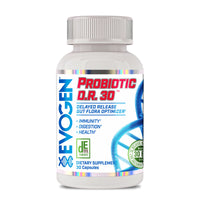
Digestive enzymes help break down proteins, fats, and carbohydrates to improve tolerance and utilization. Probiotics can further support gut balance, especially when food intake patterns shift.
A targeted formula such as Evozyme helps optimize digestion so you can get more out of every meal, even with reduced intake.
Electrolytes
Lower food intake often means lower electrolyte intake, which can impact hydration, muscle function, and energy levels. Sodium, potassium, and magnesium are critical for fluid balance, preventing cramping, and sustaining performance.
Supplementing electrolytes is especially important if you’re training regularly or experiencing fatigue. This ensures hydration strategies actually translate into better performance and recovery.
Fiber Supplements
Hitting daily fiber targets can be challenging when portion sizes drop. A premium fiber supplement can help maintain digestive regularity, support satiety, and stabilize blood sugar levels without requiring large food volumes.
This can be especially useful when whole food intake fluctuates, as it ensures your digestive system stays consistent and your nutrition plan remains effective despite reduced appetite.
Performance Support
In a calorie-restricted state, targeted performance supplements can help preserve muscle and training output.
-
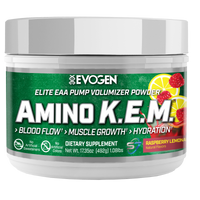
EAAs or BCAAs support muscle protein synthesis during low intake phases. Amino K.E.M. is a strong option here.
-
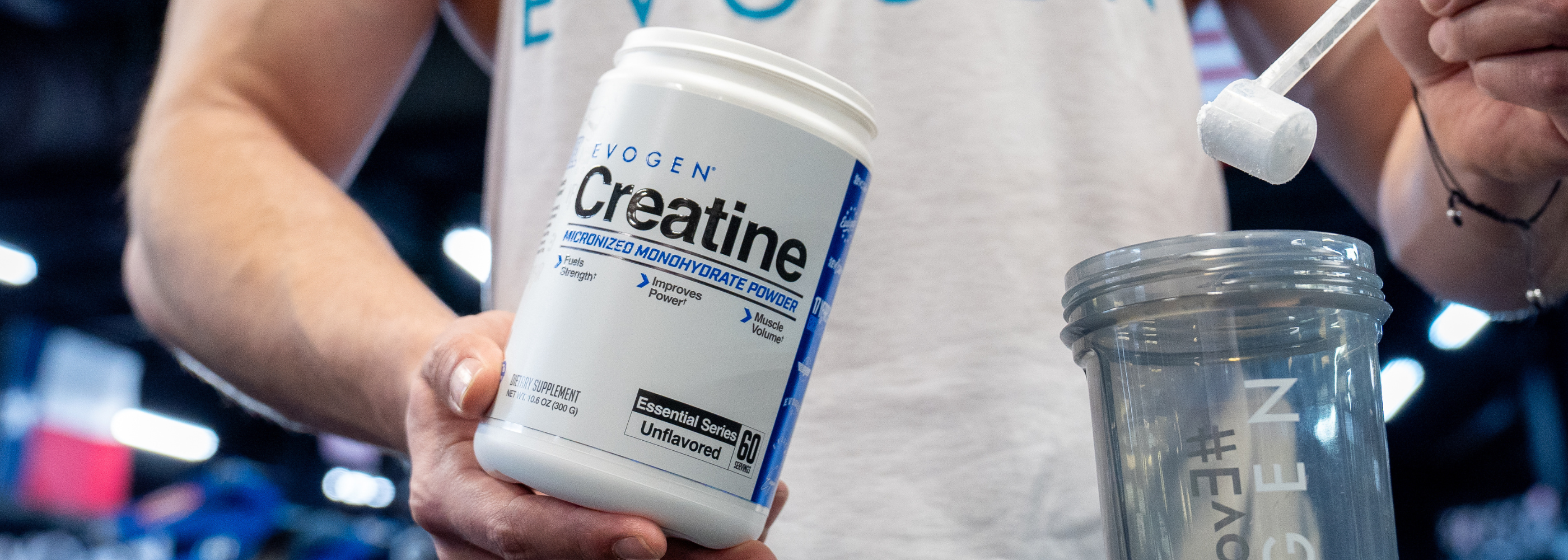
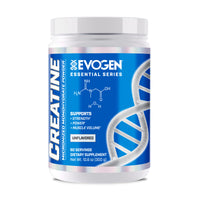
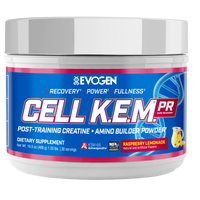
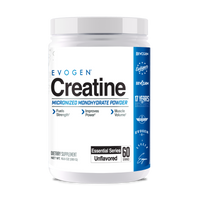
Creatine supports strength and muscle retention. Evogen Creatine and Cell K.E.M. can be effective solutions to maintain performance despite reduced calories.
Speak with your doctor, trainer, or dietitian to see which supplement would best support your fitness goals.
What Vitamins Might Become Low During GLP-1 Treatment?
Reduced food intake increases the risk of key micronutrient gaps, especially when appetite and food variety decline.
Vitamin B12 may drop due to lower intake and absorption changes, while vitamin D is commonly low to begin with. Iron, magnesium, and calcium can also fall short, impacting energy, muscle function, and recovery.
Prioritize a food-first approach with nutrient-dense choices, and then fill gaps strategically with a comprehensive multivitamin such as Evovite to maintain performance and overall health.
How To Structure Meals When You’re Not Hungry
When hunger cues are unreliable, structure replaces instinct.
-
Plan smaller, protein-first meals spaced evenly throughout the day rather than waiting to feel hungry.
-
Front-load nutrition earlier when appetite is typically higher.
-
Use liquid options when solid food isn’t appealing.
-
Keep meals simple, easy to digest, and consistent.
The goal is steady nutrient delivery to support muscle retention, energy levels, and recovery without relying on appetite to guide intake.
Sample Day of Eating on a GLP-1 Meal Plan
When appetite is low, structure and efficiency drive results. A well-built day prioritizes protein, fiber, and hydration without overwhelming digestion. Here's what a typical day's menu might look like:
-
Breakfast: A light protein shake or Greek yogurt to start the day.
-
Lunch: Lean protein such as chicken or fish, paired with fiber-rich carbs and vegetables.
-
Snack: A small, nutrient-dense option such as berries with nuts or a protein shake.
-
Dinner: A balanced, moderate portion with protein, vegetables, and healthy fats.
Hydration and electrolytes should be spaced consistently throughout the day to support energy and recovery.
Common Mistakes To Avoid on a GLP-1 Diet
One of the biggest mistakes is not eating enough protein, which accelerates muscle loss and slows metabolism. Skipping meals entirely can further reduce nutrient intake and energy levels.
Many rely on processed, easy-to-eat foods that lack nutritional value, while others ignore hydration, leading to fatigue and poor recovery. Failing to adjust intake as your body weight drops can also stall progress.
The goal isn’t just eating less; it’s eating strategically to support performance.
How To Optimize Performance While on GLP-1 Medications
Maintaining performance requires intentional training and nutrition strategies.
-
Prioritize resistance training to preserve lean muscle and support metabolic health.
-
Time protein and nutrient intake around workouts to enhance recovery, even if meals are smaller.
-
Use supplementation strategically to fill gaps and sustain output.
-
Monitor energy, strength, and recovery closely, adjusting intake as needed.
The goal is to align your nutrition and training so weight loss enhances performance, not compromises it.
GLP-1 Diet Strategy: Build a Better Body, Not Just a Lighter One
GLP-1 medications such as Ozempic and Wegovy are powerful, but they don’t replace strategy.
How you fuel your body determines whether you simply lose weight or actually improve your physique, performance, and long-term health. That’s the difference between short-term results and sustainable progress.
This is the same performance-first mindset championed by "The Pro Creator" Hany Rambod, where precision nutrition, smart supplementation, and disciplined execution separate average outcomes from elite ones.
Dial in your protein, fiber, hydration, and recovery, and you don’t just get leaner. You optimize how your body looks, feels, and performs.
If hitting your micronutrient and greens intake feels like a challenge due to reduced appetite, Evogreens is a simple, effective solution that comes in three delicious flavors.
It delivers a concentrated blend of greens, antioxidants, and digestive support to help you stay on track without adding more volume to your meals.