








Here's the TL;DR:
- Protein increases satiety by slowing digestion and regulating hunger hormones such as ghrelin, GLP-1, and PYY.
- Higher protein intake helps control calories naturally, improving adherence during fat loss phases.
- Whole food proteins provide the most sustained fullness, especially when paired with fiber.
- Strategic protein timing (every 3–4 hours) helps maintain steady energy and reduce cravings.
- Protein supplements can support satiety when used correctly, especially between meals or post-workout.
- Combining protein with fiber, healthy fats, and proper hydration maximizes appetite control and performance.
Hunger is where most physiques break down, not from lack of discipline, but from lack of strategy. If you’re constantly fighting cravings when eating less, it’s only a matter of time before consistency slips. That’s where protein changes the game.
Does protein make you feel full? Yes. Protein helps you feel full by slowing digestion, regulating hunger hormones, and stabilizing blood sugar, giving you tighter control over your appetite and weight management.
A high-protein diet is key to feeling more satisfied, but it's not always easy to eat enough protein when you're constantly on the go.
Pairing healthy dietary choices with strategic protein supplementation is a common solution that works for many performance-driven athletes.
Remember that it’s not just about muscle. It’s about control. And that’s what drives results.
Does Protein Make You Feel Full?
Yes, protein can help you feel full, and for athletes, that matters more than most realize. Protein isn’t just for building muscle; it’s one of the most effective tools we have for controlling hunger, which is critical for weight control and staying locked into a performance-driven diet.
So, why does protein make you feel full? It digests more slowly than carbohydrates, helps suppress levels of ghrelin (the "hunger hormone"), and increases satiety hormones such as GLP-1 and PYY.
Digesting protein also has a high thermic effect, meaning your body burns more calories processing it. The result is steadier blood sugar, fewer crashes, and tighter control over your intake.
Pairing high-protein meals with a quality digestive enzyme such as Evozyme can further support breakdown and absorption, especially when intake is high.
Don't just take our word for it. Our customers agree that the benefits are real. Mary G., a satisfied Evozyme user, shared her results with us:
"I feel like my digestion is so much better when I’m consistent when using this product."
Does Protein Make You Feel Full Longer?
Protein does help you feel fuller for longer. Compared to carbs, which digest quickly, and fats, which are calorie-dense but less satiating per gram, protein delivers sustained fullness that supports consistent energy and fewer cravings.
This is critical during cutting phases, where adherence makes or breaks results.
Slower-digesting proteins such as casein extend that effect even further, while fast options such as whey still help control hunger when used strategically between meals.
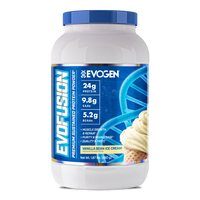
A blended formula such as EvoFusion, which combines both whey and casein, can help deliver immediate and prolonged satiety, making it a powerful option for staying full and in control longer.
Why Satiety Matters for Performance and Body Composition
Satiety is what keeps your nutrition plan working when motivation dips. When you’re full, you’re far more likely to stay within your target calories, especially during fat loss phases. That means better adherence, fewer binge cycles, and more consistent progress.
For athletes, it also translates to sharper focus, stable energy, and the ability to train hard without being distracted by hunger.
What Protein Sources Keep You Full the Longest?
Not all protein sources deliver the same level of satiety. The key is choosing options that slow digestion, increase food volume, and keep hunger under control for hours.
Whole Food Proteins
Whole food proteins are the gold standard for fullness. Lean meats, eggs, and fish take longer to digest and require more chewing, which helps trigger satiety signals. They also provide volume, allowing you to eat more food for fewer calories.
This combination makes them especially effective during aggressive fat loss phases.
Protein and Fiber Combos
This is where things get strategic. Eating protein-rich foods paired with fiber, such as skinless chicken breast with vegetables, hummus and whole grain crackers, or low-fat Greek yogurt with berries, slows digestion even further, reduces the urge to snack, and extends satiety.
Fiber helps regulate blood sugar and keeps hunger levels stable, making this pairing one of the best tools for controlling cravings during a cut.
According to dietitian Mindy H. Lee:
"The research strongly suggests that increasing protein and fiber intake while simultaneously reducing calories is required to optimize the safety and efficacy of weight loss diets."
Protein Supplements
Protein supplements offer convenience, but they require strategy. Since they digest faster than whole foods, they’re best used between meals or post-workout.
To enhance satiety, combine them with fats or fiber, e.g., adding oats or nut butter to a shake. Used correctly, they help fill gaps without adding unnecessary calories.
How To Use Protein Strategically To Stay Full and Lean
To maximize satiety, protein intake needs to be intentional.
- Space meals every 3–4 hours to maintain steady fullness and stable energy.
- Front-load protein earlier in the day to control hunger before it builds.
- Pair protein with fiber or healthy fats to slow digestion and extend satiety.
- Use whole foods for main meals and shakes to fill gaps.
- During cutting phases, tighten portions while keeping protein high to preserve muscle and control appetite.
Which Protein Supplement Will Help Me Feel Full and Lose Weight?
The right protein supplement makes dieting more precise and sustainable. A high-quality isolate such as IsoJect digests quickly but still supports satiety when used strategically, especially between meals or post-workout.
With minimal carbs and fats, it allows for tight macro control while delivering the protein needed to maintain lean muscle. It’s ideal for filling gaps, reducing unnecessary calories, and staying consistent when appetite and schedule are working against you.
Our IsoJect customers consistently give stellar reviews. According to Yaakov A.:
"This protein powder not only tastes great, it blends very well. The churro taste is spot on! This protein powder is also great for making protein powder pudding. And it tastes great for protein pancakes. I give this brand and flavor a 10 out of 10. The customer service is amazing as well."
Other Critical Components of a Healthy Diet for Athletes
Protein drives satiety, but without the right nutritional support system, you’re leaving results on the table. The athletes who stay lean and perform at a high level don’t rely on protein alone; they build meals that control hunger, stabilize energy, and support recovery from every angle.
These key components help amplify protein’s impact and keep your nutrition working for you, not against you.
Fiber: The Missing Piece for Fullness
Fiber is the multiplier most athletes overlook. It slows digestion, which extends the satiety effect of protein and keeps you fuller longer. It also helps regulate blood sugar, reducing cravings and energy dips that can derail your diet.
Prioritize sources such as vegetables, oats, quinoa, and berries, or supplement with Evogen Fiber to consistently support appetite control and digestive health.
Healthy Fats: Sustained Energy and Hunger Control
Healthy fats slow gastric emptying, helping you stay satisfied between meals while providing steady, long-lasting energy. They are also vital for proper hormone function, which becomes even more important during calorie-restricted phases.
Incorporate sources such as avocado, nuts, and olive oil, but stay intentional, as fats are calorie-dense and can quickly impact your daily intake.
Meal Timing and Consistency
Inconsistent eating patterns create unnecessary hunger spikes and make it harder to stay in control. Structuring meals every 3–4 hours helps regulate appetite, maintain energy, and prevent impulsive food choices.
When protein is evenly distributed throughout the day, it reinforces satiety and supports muscle maintenance, keeping your nutrition aligned with your performance goals.
Hydration: The Overlooked Appetite Regulator
Hydration impacts hunger more than most people realize. Dehydration can mimic hunger signals, leading to unnecessary calorie intake. Staying properly hydrated supports digestion, nutrient absorption, and overall performance.
Using a product such as Evogen Hydration can help maintain electrolyte balance, especially during intense training or calorie-restricted phases where performance still matters.
Micronutrients and Food Quality
High-quality, nutrient-dense foods don’t just support health. They improve how your body responds to your diet. When micronutrient needs are met, energy levels, recovery, and satiety all improve. On the flip side, low-quality diets often lead to more cravings and less satisfaction.
Adding a greens supplement such as Evogreens can help fill nutritional gaps and keep your system operating at a high level.
Stay Full, Stay Lean, Stay in Control
At the highest level, nutrition isn’t about willpower; it’s about systems. When you build your diet around satiety, everything gets easier: adherence improves, energy stabilizes, and results compound.
This is the same philosophy reinforced by Evogen's founder, Hany Rambod: precision, structure, and execution over guesswork. Dial in your protein, support it with the right nutritional tools, and you don’t just manage hunger; you take control of your entire physique outcome.
If you’re serious about hitting your protein targets without adding unnecessary calories, it’s time to level up your shake.
Evogen’s AminoJect delivers high-quality amino acids to support muscle recovery, performance, and satiety between meals, making it easier to stay full, fueled, and on track.