







Here's the TL;DR:
- Liquid glycerol delivers a higher concentration of active glycerol per serving than most powdered forms.
- Liquid glycerol mixes more easily, absorbs quickly, and provides more consistent hydration and muscle pumps.
- Powdered glycerol often contains carriers and fillers that reduce active glycerol content and create a gritty texture.
- Pairing glycerol with creatine monohydrate enhances cellular hydration, muscle fullness, and training performance.
- For athletes chasing maximum pumps, hydration, and workout performance, liquid glycerol is the clear winner.
Liquid vs. powder glycerol: does one have a bigger impact on pumps than the other? The form you choose matters more than you might think.
While both forms can increase fluid retention and support performance, liquid glycerol delivers a higher concentration of active glycerol, mixes more easily, and produces more consistent results without the fillers commonly found in powdered products.
If you're chasing muscle fullness, cellular hydration, improved endurance, and skin-splitting pumps, a quality liquid glycerol supplement will outperform a powdered version every time.
What Is Glycerol and Why Use It?
Glycerol is a sugar alcohol compound that's widely used in sports nutrition, food production, and cosmetics.
Athletes and fitness enthusiasts turn to this ingredient because it supports hydration, enhances the muscle pump during training, and may improve endurance performance.
Glycerol Structure and Action
Glycerol is a three-carbon compound with hydroxyl groups attached to each carbon atom. This structure makes it highly water-soluble and allows it to form hydrogen bonds with water molecules.
When consumed, the gastrointestinal tract absorbs it rapidly, and it enters the bloodstream within minutes.
The magic happens because of glycerol's osmotic properties. It's much like a sponge that attracts and holds water.
Once in the system, glycerol pulls water into tissues and the bloodstream, creating what's called hyperhydration. This state means the body retains more fluid, which can lead to better performance during workouts and bigger pumps.
Role in Fluid Balance
Hydration isn't just about drinking water. The body needs to retain that fluid where it matters most.
Glycerol helps by stimulating the release of antidiuretic hormone, also known as vasopressin. This hormone signals the kidneys to reduce urine production and promote water reabsorption.
For athletes training in hot conditions or those who sweat heavily, this can make a real difference in performance and recovery. Even a 2% drop in body water from sweating can significantly reduce performance, so keeping fluid levels stable is essential.
How Glycerol Creates a Muscle Pump
So why does glycerol give you a pump? The answer comes down to fluid dynamics and blood vessel behavior.
During strength training, blood rushes to working muscles, filling them with oxygen-rich blood. Glycerol amplifies this effect through its water-retaining and vasodilating properties.
The glycerol muscle pump happens because the compound increases total fluid volume in the body and helps that fluid move into muscle cells.
During exercise, this extra fluid combines with the natural increase in blood flow to create a more pronounced swelling effect. Muscles look fuller, veins become more visible, and that tightness that bodybuilders chase becomes more achievable.
Does Glycerol Give You a Pump on Its Own?
Yes, but the effect is more noticeable when combined with high-rep sets, shorter rest periods, and exercises that keep tension on the muscle.
Glycerol provides the raw material, training provides the stimulus, and together they create impressive results.
If you're aiming for pumps and hydration, liquid glycerol is the better choice.
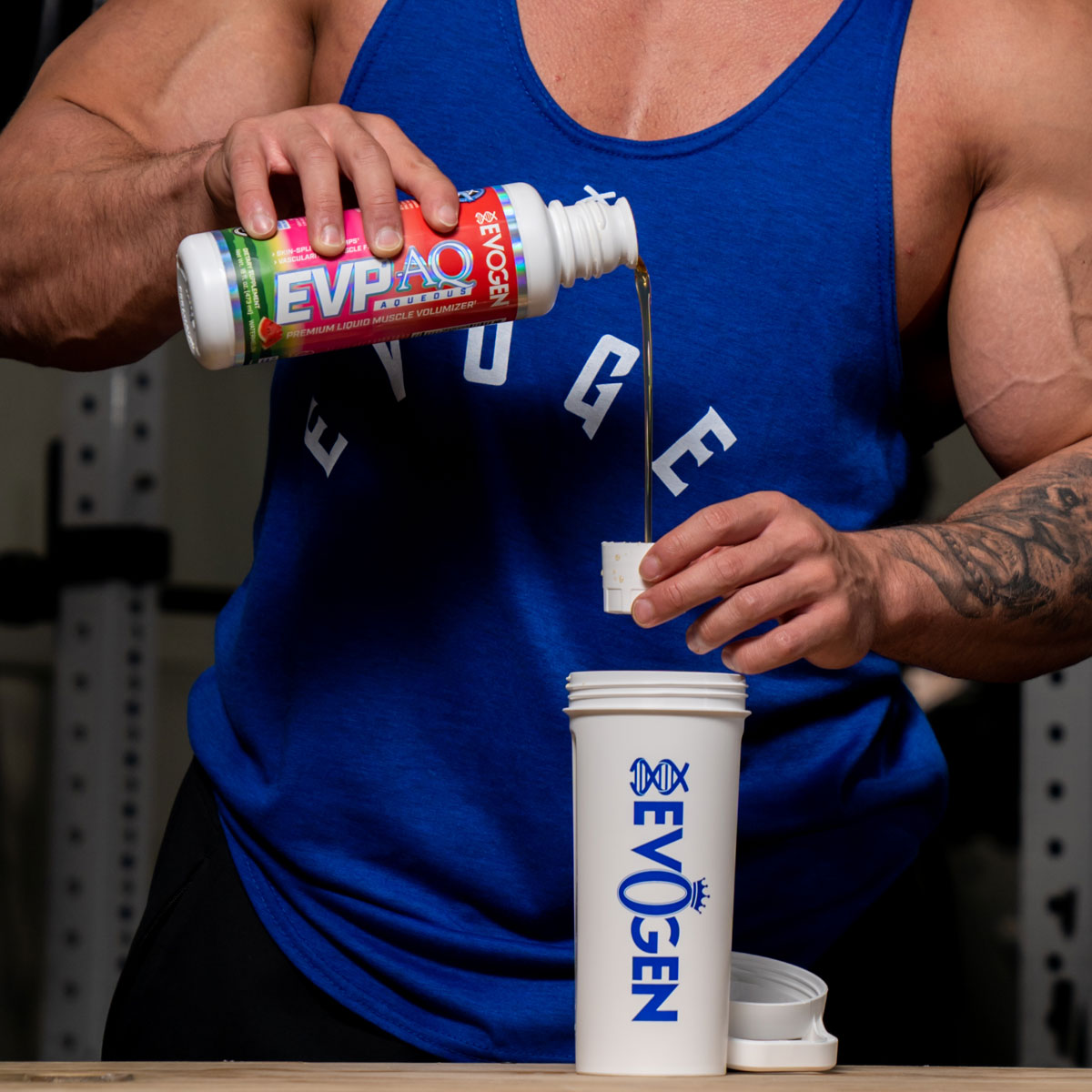
Evogen's EVP AQ, designed by 25x Olympia-winning coach Hany Rambod, combines pure liquid glycerol with an S7 nitric oxide blend, betaine, and MicroGard for fast absorption and fewer digestive issues.
Reviews for our liquid glycerol are consistently incredibly positive. For instance, Emerita R., a verified EVP AQ user, recently shared this:
"Best pumps everrrr and I can push more weight. Love the taste."
How Long Does a Glycerol Pump Last?
Glycerol-enhanced pumps typically last throughout the training session and persist for several hours, though individual responses vary based on dosage, hydration status, and training intensity.
What Is the Difference Between Liquid Glycerol and Powdered Glycerol?
The primary difference between liquid and powdered glycerol is concentration and delivery. Liquid glycerol contains pure glycerol in a ready-to-use form, while powdered glycerol is typically bound to carriers that reduce the amount of active glycerol per serving.
Which Is Better for Pumps, Liquid or Powdered Glycerol?
For athletes focused on hydration, muscle fullness, and performance, liquid glycerol offers a more concentrated source with easier mixing, more accurate dosing, and a more consistent pump experience.
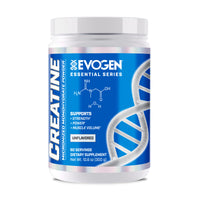
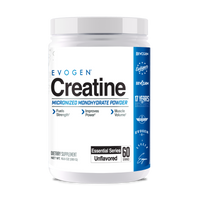
For even better results, pair liquid glycerol with Creatine Monohydrate by Evogen Nutrition. Both ingredients help pull water into muscle cells, enhancing volumization, training performance, and the dense, skin-stretching pumps serious lifters chase.
Drawbacks of Powder Glycerol
Powdered glycerol is a common ingredient in many pre-workout formulas, but it undergoes a different manufacturing process and has some limitations that affect user experience and results.
Solubility and Texture Differences
Unlike liquid glycerol, which disperses easily in water, powdered versions often require vigorous shaking or stirring to dissolve properly, and even then, sediment settling at the bottom of the shaker cup is common.
Many users also describe powdered glycerol supplements as gritty, grainy, or chalky, which makes them unpleasant to drink. This texture can be off-putting enough that some people struggle to finish their pre-workout, which defeats the purpose of taking it in the first place.
Processing and Purity Concerns
When converting liquid glycerol into powder form, manufacturers typically use carriers or excipients to stabilize the glycerol and give it a powdered consistency.
These additives can include anti-caking agents such as silica or maltodextrin and other compounds that add bulk but don't contribute to the glycerol's effectiveness. The result may only contain 50–80% glycerol.
So, a product labeled as containing 3 grams of glycerol per scoop might only deliver 1.5–2.4 grams of actual active ingredient.
Some users also report digestive discomfort with powdered glycerol, often described as "bubble guts." This uncomfortable feeling can interfere with a workout and make training less enjoyable.
Liquid Glycerol Advantages
Liquid glycerol offers several practical advantages in absorption, dosing accuracy, and user experience that make it the preferred choice for many serious athletes.
Ready-To-Use Form for Faster Effects
Liquid glycerol is already in its active form. This means faster onset of effects and more predictable timing for your pre-workout routine.
Simpler Dosing
Most liquid glycerol products use a cap or measuring device that lets users adjust serving size with precision. Starting with a smaller amount to assess tolerance and gradually increasing based on response is easier than with powdered options.
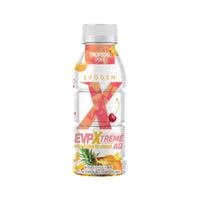
For ultimate convenience, try Evogen EVP Xtreme AQ RTD. It pairs the AQ pump technology with high-stim energy in 12-ounce ready-to-drink, grab-and-go bottles.
How Do You Dose Liquid Glycerol vs. Powdered Glycerol in a Pre-Workout?
Wondering how much liquid glycerol for pump effects?
For general pump enhancement during weight training, many users find that 10–25 grams of glycerol taken before training produces noticeable effects, though individual needs vary based on body weight, training intensity, and personal response.
For best results, take the dose 30–60 minutes before training to allow time for absorption and distribution throughout the body, and be sure to drink plenty of water, roughly 500–1000 mL with every dose.
Want even bigger pumps? Stack EVP AQ with Evogen EVP Xtreme N.O. for a stimulant option or EVP 3D for a non-stim approach. The 16 flavor options include Peach Rings, Iced Mocha, and Blackberry Lemonade.
Want to hear what actual EVP 3D users are saying? Here's a recent review from Steven M.:
"Absolutely love this! You can tell the difference between this and other pre-workouts. The blood flow and pump is addictive."
Liquid vs. Powder Glycerol for Pumps: The Answer Is Clear
The real value of glycerol isn't simply that it helps create a bigger pump. By supporting cellular hydration, glycerol can help athletes maintain training intensity, improve work capacity, and sustain performance throughout demanding workouts.
These benefits are especially important during high-volume training, where every extra rep and set contributes to long-term progress.
When it comes to liquid vs. powder glycerol, the form that delivers more active glycerol and better hydration support earns the edge.
Want to take your pumps to the next level?
Pair EVP AQ with Evogen’s Creatine Monohydrate. While glycerol helps drive hydration and muscle fullness, creatine supports cellular volumization, strength, and training performance.
Together, they help create the dense, full-muscle look and skin-splitting pumps serious athletes chase every time they step into the gym.