








Here's the TL;DR:
- Creatine can support muscle recovery by improving energy availability, cellular hydration, and your ability to handle repeated high-intensity training.
- Consistent daily supplementation maintains elevated muscle creatine stores.
- Creatine may reduce post-workout muscle damage and soreness, potentially helping you return to training with less residual fatigue.
- A daily 3- to 5-gram maintenance dose is effective, while a loading phase can saturate muscle creatine stores more quickly.
- Creatine works best alongside recovery fundamentals, including adequate protein, carbohydrates, hydration, sleep, and intelligently programmed training.
The workout is only half the battle. What happens between sessions determines how well you come back.
A high-quality creatine supplement can support muscle recovery by replenishing rapid energy stores, maintaining cellular hydration, supporting glycogen restoration, and potentially reducing muscle damage and soreness after intense training.
Better recovery means less time spent feeling beat up and more opportunities to train hard, recover well, build strength, and keep hitting your goals.
Does Creatine Help With Recovery Between Training Sessions?
Yes. Creatine can support recovery between training sessions by helping muscles restore energy, maintain cellular hydration, and better tolerate the stress of repeated high-intensity exercise.
It may also help reduce the loss of strength that can follow demanding workouts, allowing you to return to training feeling more prepared and capable of performing at your highest level.
Supporting Scientific Evidence
A 2017 review by the Journal of the International Society of Sports Nutrition examined the evidence for creatine's role in exercise recovery.
The researchers found creatine may enhance muscle recovery following intense exercise and that “creatine can not only improve exercise performance, but can play a role in preventing and/or reducing the severity of injury, enhancing rehabilitation from injuries, and helping athletes tolerate heavy training loads.”
Another clinical study involved runners completing a 30-kilometer race. Those who supplemented with creatine showed lower levels of inflammatory markers and reduced cell damage compared to those who did not take creatine.
So, is creatine good for muscle recovery? Studies show that it can be, especially when combined with proper nutrition, adequate sleep, and smart training programming.
Creatine won't replace these fundamentals, but it can naturally enhance the recovery process when the basics are in place.
Benefits of Creatine After Workout Sessions vs. Consistent Supplementation
The key distinction is that post-workout timing may be convenient and potentially beneficial, but consistent daily intake is what keeps muscle creatine stores elevated.
Taking creatine after training can complement recovery, while daily supplementation supports sustained phosphocreatine availability, strength, training capacity, and long-term adaptation. Timing matters less than never missing doses.
What Creatine Does in Muscle Cells
Your muscles need a constant supply of energy to contract, repair, and grow. Creatine supports the systems that generate quick power during intense exercise and high-intensity resistance training.
When you supplement with creatine, you're giving your muscles a larger reservoir of rapid-fire energy. This translates to better performance during training and improved conditions for recovery afterward.
Increasing Phosphocreatine Stores
Phosphocreatine acts as your muscles' emergency energy reserve. During high-intensity efforts such as sprints, heavy lifts, or explosive movements, your body taps into these stores within seconds.
The stores, however, deplete quickly, which is why you can only maintain maximum effort for short bursts.
Supplementing with creatine increases the baseline level of phosphocreatine stored in your muscle tissue by approximately 30%, depending on your starting levels and dietary habits.
This larger reserve means that you can work harder before fatigue sets in and that there's enough remaining once you leave the gym to help speed recovery.
Supporting ATP Production
Every muscle contraction, every cellular repair process, and every protein synthesis reaction requires adenosine triphosphate (ATP). The problem is that your muscles only store enough ATP for about 2 to 3 seconds of maximum effort.
Phosphocreatine donates its phosphate group to regenerate ATP from ADP almost instantly. This is why creatine supplementation improves performance in short, intense activities.
Following a workout, ATP regeneration supports the energy-demanding processes of muscle repair.
Protein synthesis, cell membrane repair, and glycogen resynthesis all require ATP. By keeping ATP production efficient, creatine creates better conditions for your muscles to rebuild stronger than before.
How Creatine Fuels Faster Muscle Recovery After Training
Recovery isn't passive. Your body actively repairs damaged muscle fibers, clears metabolic waste, restocks energy stores, and adapts to training stress, all of which require energy, raw materials, and the right cellular environment.
Taking creatine for recovery helps in several ways.
Glycogen Resynthesis
After training, your muscles need to refill their glycogen stores. Creatine supplementation may enhance this process, particularly when combined with carbohydrate intake.
Fuller glycogen stores mean you start your next session with more fuel available.
Cell Volumization
Creatine actively pulls water into muscle cells, a process called cell volumization. This increased cell hydration creates an anabolic environment that may signal cells to ramp up protein synthesis while reducing protein breakdown.
Hydrated cells tend to function better and recover faster than dehydrated ones.
Reduced Muscle Damage
Another recovery benefit comes from creatine's potential to reduce markers of muscle damage. Some studies have found lower levels of creatine kinase and other damage indicators in athletes supplementing with creatine compared to placebo groups.
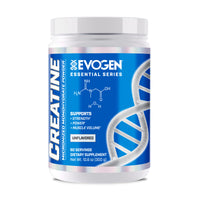
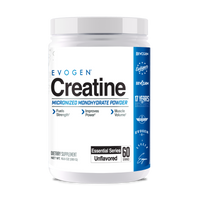
Creatine Monohydrate by Evogen offers micronized monohydrate for daily 5-gram dosing that supports strength, glycogen resynthesis, and reduced post-workout soreness.
This pure, easy-mixing formula provides the foundation for consistent creatine muscle recovery benefits.
Does Creatine Help Muscle Soreness?
That deep ache you feel 24 to 48 hours after a tough workout is called delayed onset muscle soreness. It results from microscopic damage to muscle fibers and the inflammatory response that follows.
While some soreness indicates productive training, excessive soreness can limit your ability to train consistently.
Research suggests creatine supplementation can reduce the severity and duration of soreness following intense exercise.
One mechanism may involve creatine's role in maintaining cell membrane integrity during exercise, which could limit the initial damage that triggers soreness.
Creatine's cell volumizing effect may also have an impact because hydrated muscle cells are more resilient to mechanical stress.
When your muscles are better hydrated, they may sustain less damage during eccentric contractions, which are one of the leading causes of delayed onset muscle soreness.
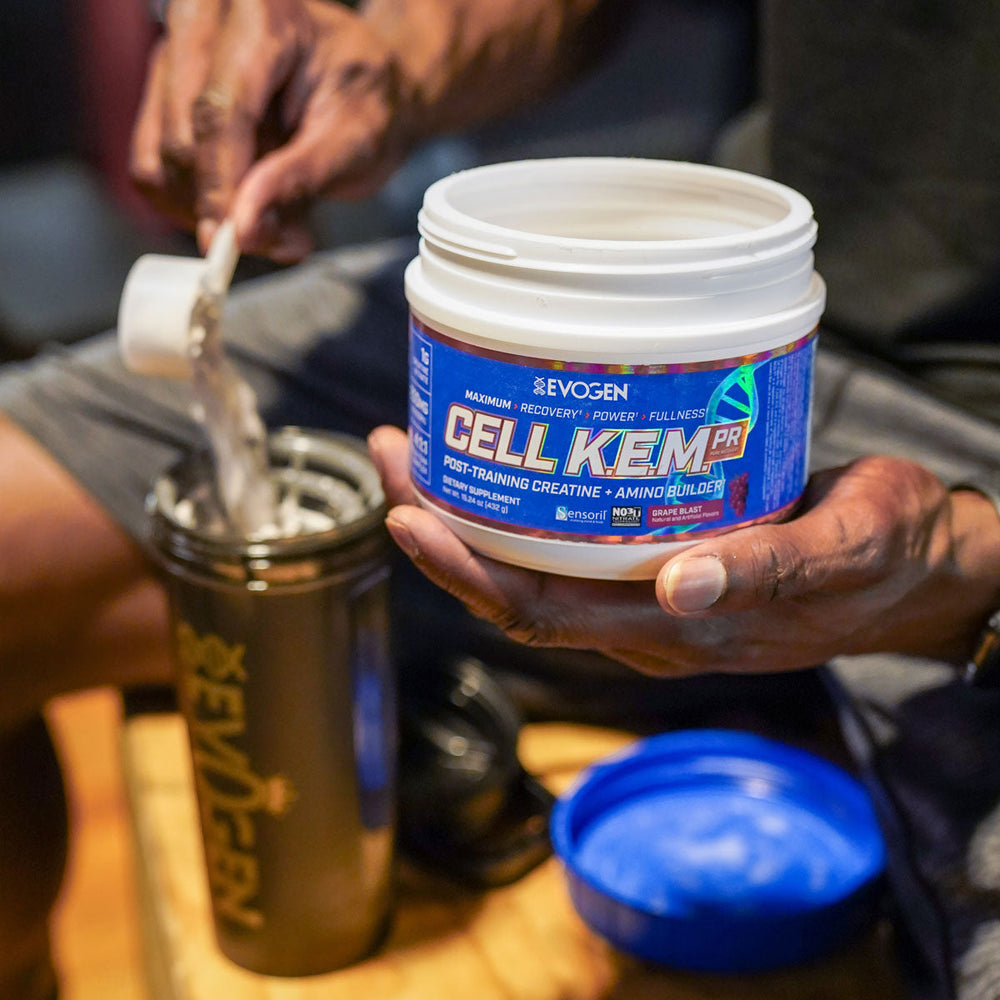
For consistent results, take Creatine Monohydrate daily, and then use Cell K.E.M. PR after your workout to promote strength gains and better recovery between sessions.
What Are the Best Creatine Supplements for Muscle Recovery?
Creatine is a natural compound your body produces primarily in the liver and kidneys.
Natural sources include red meat, fish, and poultry, but when hard workouts or tough weightlifting sessions are part of your daily routine, creatine supplementation can help maintain higher muscle creatine stores than diet alone.
When choosing a creatine supplement, look for creatine monohydrate, a clearly disclosed dose, minimal ingredients, and third-party testing when available.
Evogen's Creatine Monohydrate delivers micronized creatine monohydrate in a pure, easy-mixing formula and is NSF Certified for Sport. Product reviews speak for themselves. For instance, Freddie S. recently shared:
"This product is a classic legend and these guys know how to make it well. The creatine does not have flavor, as desired, and it taste[s] like good quality."
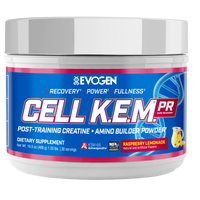
For a more comprehensive post-workout approach, Evogen's Cell K.E.M. PR combines creatine monohydrate and creatine nitrate with BCAAs and KSM-66® ashwagandha to support recovery, muscle fullness, and post-training repair.
Customer feedback for Cell K.E.M. is also consistently positive. See what Anna E. had to say:
"I rave about this to my friends! Had several friend[s] make a purchase! This is the best supplement I’ve tried! It blends very easily, great taste, not gritty and super for recovery! Thanks Evogen!"
How To Use Creatine for Muscle Recovery After Workouts
Random supplementation produces random results. A structured plan ensures you're getting the right doses at the right times to maximize creatine muscle recovery benefits.
Loading and Maintenance Phases
The traditional creatine loading protocol involves taking 20 grams of creatine daily, split into 4 doses of 5 grams for 5 to 7 days. This rapidly saturates muscle stores. After loading, a maintenance dose of 3 to 5 grams daily maintains those elevated levels.
Loading isn't required. You can skip straight to the maintenance dose and reach full saturation in about 3 to 4 weeks. The end result is the same. Loading just gets you there faster.
Timing Around Workouts
Research on optimal creatine timing is mixed, but taking creatine after a workout may have a slight advantage, as your muscles are actively taking up nutrients after training, which could enhance creatine absorption.
That said, consistency matters more than timing. If taking creatine with breakfast helps you remember it daily, that's better than perfectly timed doses you forget half the time.
Evogen Nutrition's Cell K.E.M. PR is a post-training creatine muscle recovery formula featuring creatine monohydrate, creatine nitrate, essential amino acids, and ashwagandha.
This combination can speed repair, enhance power output, and promote muscle fullness when taken within 30 to 60 minutes after training.
Potential Side Effects To Be Aware Of
Creatine is generally well tolerated and has an excellent safety profile, but higher doses can cause temporary water retention, bloating, or gastrointestinal discomfort. Taking creatine with food may relieve mild discomfort.
Taking large amounts at once may increase the risk of diarrhea. Mild weight gain from increased muscle water is also common during the loading phase.
When To Seek Medical Advice
If you have kidney or liver disease, are pregnant or breastfeeding, or take medications that affect kidney function or fluid balance, consult a healthcare provider before using creatine.
An expert can help determine whether supplementation is appropriate, review potential interactions, and recommend monitoring based on your individual health needs.
Creatine Muscle Recovery: Train Harder, Recover Faster
Consistent recovery gives you the foundation to train hard, adapt, and keep progressing week after week. Creatine helps keep that cycle moving by supporting training capacity and muscle energy availability.
As Hany Rambod, a 25x Olympia-winning coach, has demonstrated with elite athletes, long-term progress comes from executing the fundamentals relentlessly and using proven supplementation to sharpen the edge.
Give your recovery strategy another advantage with Evogen's Glutamine, formulated with ultra-pure L-glutamine to support recovery and replenish glutamine stores.
Add it to your daily routine alongside consistent creatine use to help you recover, rebuild, and come back ready for your next session.