







Here's the TL;DR:
- Consume 0.7–1.0 grams of protein per pound of body weight daily to preserve lean muscle.
- Choose protein powders that are high-quality, fast-digesting, and low in lactose, sugar, and fillers.
- Spread protein intake across multiple servings to improve absorption, balance, and satiety.
- Try smaller servings, hydrolyzed isolates, and digestive enzymes if nausea is an issue.
GLP-1 medications can make fat loss easier, but they also make hitting your daily protein target a lot harder. Reduced appetite and slower digestion mean you’re eating less overall, which puts lean muscle at risk if you’re not intentional.
The best protein powder for GLP-1 users is a fast-digesting, low-lactose whey isolate that delivers high protein per serving with minimal carbs, fats, and ingredients so you can preserve lean muscle without digestive stress.
When appetite drops and digestion slows, you naturally end up eating less overall, which makes it tougher to hit your daily protein intake. Protein powder helps fill that gap by giving you an easier way to get enough protein without having to force full meals, so you can stay consistent and keep up with recovery and performance.
What Is the Best Protein Powder for GLP-1 Users?
The best protein powder for GLP-1 users is one that delivers high-quality protein efficiently without stressing digestion.
That means a fast-absorbing formula, at least 20–30 grams of protein per serving, minimal fats and sugars, and a short ingredient list that won’t sit heavy or trigger nausea.
Since GLP-1 medications reduce appetite and slow digestion, each serving needs to give you enough protein to maintain muscle without causing bloating or nausea.
For most people, whey protein isolate is the best option. It’s ultra-filtered to remove most fats and lactose, resulting in a lean, rapidly absorbed protein source that’s easier on the stomach than many alternatives.
For athletes looking for a protein powder to help maintain and build lean muscle, Evogen Nutrition offers the best choice. Our ultra-pure whey isolate protein powder is designed for clean digestion and consistent intake throughout the day.
To further support muscle preservation, pairing your protein with an essential amino acid formula such as Amino K.E.M. EAA can help reinforce recovery, hydration, and overall performance.
After trying our amino acid formula, Elaheh J. shared this:
"I love that Evogen has a naturally sweetened option for those who bloat with sucralose. It tastes great and doesn’t cause GI issues. I love this brand, and their products are top notch!!!"
How Much Protein Do I Need Each Day To Preserve Lean Muscle Mass?
To preserve lean muscle while taking GLP-1 medications for weight loss, protein intake needs to stay high, even if appetite drops. If you're not eating enough protein every day, it could potentially lead to muscle loss instead of fat loss.
In most cases, a target of 0.7 to 1.0 grams of protein per pound of body weight per day is ideal.
For many men, that lands between 150 and 220 grams per day, while most women need roughly 100 to 150 grams, depending on size, training intensity, and goals.
Ensuring adequate protein consumption consistently can be a challenge when you’re eating less overall. That’s where strategic supplementation can step in.
Protein powders help you close the gap without forcing large meals, making it easier to maintain muscle, support recovery, and stay on track.
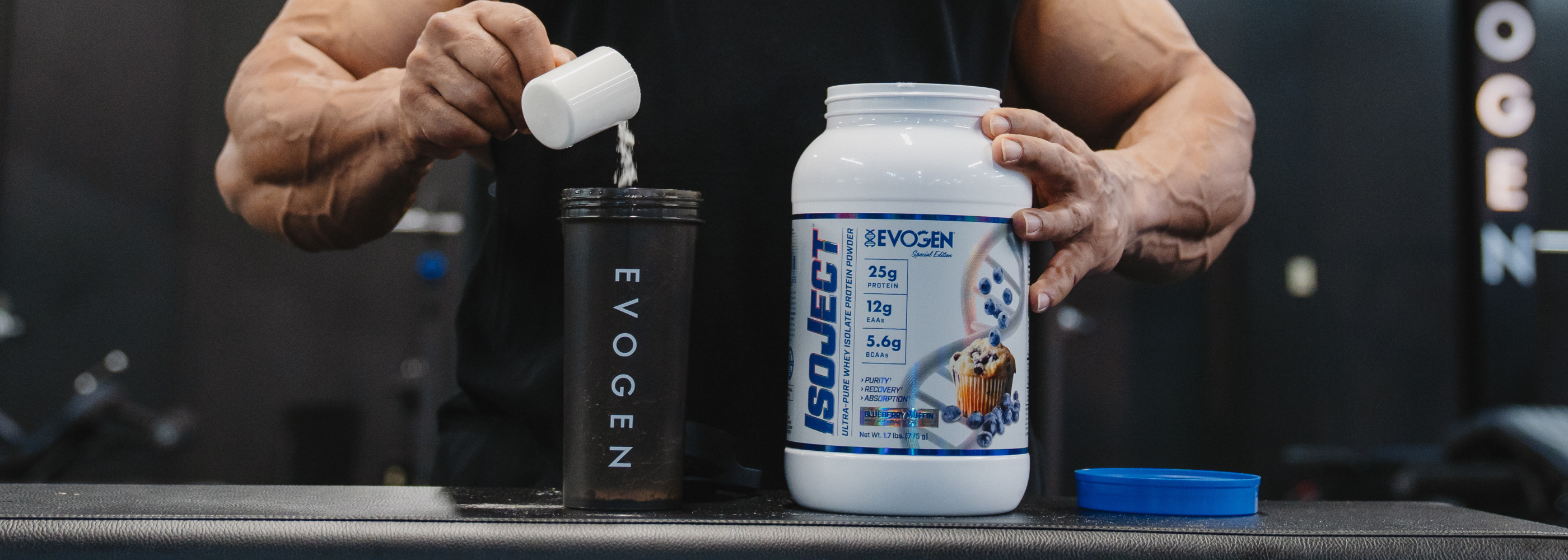
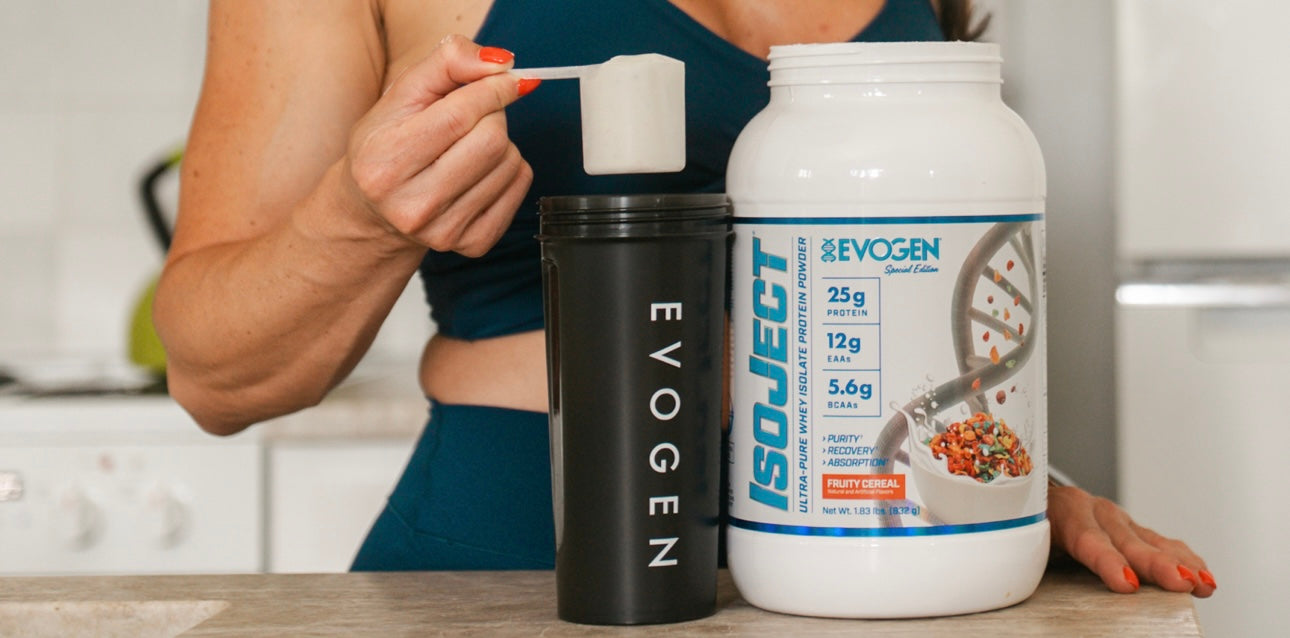
Among the most popular choices for those taking GLP-1s, whey protein isolate formulas, such as Evogen's IsoJect, lead the way thanks to their high protein density and easy digestion.
Criteria for Choosing Protein Powder on GLP-1 Medications
Not all protein powders are designed for the unique demands that come with GLP-1 use. When appetite is lower and digestion is slower, quality, digestibility, and efficiency are non-negotiable. Before you grab whatever's on sale, consider what actually matters for your situation.
High-Quality Protein Source
Your protein source determines how effectively your body can repair and maintain muscle. Look for complete proteins with a strong amino acid profile, especially high leucine content to trigger muscle protein synthesis.
Whey isolate stands out here, delivering rapid absorption and high bioavailability, making it ideal when you need maximum return from smaller, more strategic servings.
Easy Digestibility
GLP-1 medications can slow gastric emptying, which means heavy or complex formulas can sit uncomfortably. Prioritize proteins that are ultra-filtered, low in lactose, and free from unnecessary fillers.
Hydrolyzed or isolate forms break down faster, reducing the risk of bloating, nausea, or fullness so that you can stay consistent without digestive pushback.
Low Carb and Sugar
With reduced appetite, every calorie needs to serve a purpose. Protein powders loaded with added sugars or excess carbs can crowd out more important nutrients and lead to energy crashes.
A clean formula with minimal carbs and no excess sugars helps you stay lean, maintain stable energy, and focus on preserving muscle without unnecessary extras.
Top Protein Powders for GLP-1 Users To Support Muscle Growth
When your appetite is curbed and calories drop, protein quality matters even more. The right formula helps you preserve lean muscle, recover faster, and stay consistent without overwhelming your digestion.
These options help you get enough protein in smaller servings, which is key when your appetite is low.
Evogen IsoJect Whey Isolate
When it comes to premium options for GLP-1 users, whey isolate leads and IsoJect sets the standard. Its triple cold-filtered process delivers a fast-digesting, virtually lactose-free protein that fuels muscle repair without bloating or heaviness.
With a high essential amino acid profile and rapid uptake, it’s ideal for maintaining lean mass when total food intake is lower. With 20 flavor options, you're sure to find the perfect match.
After trying IsoJect, Casey M. recently shared this:
"Best tasting protein I’ve ever had. I’ve tried the blueberry muffin. And now I’m obsessed with the ice cream sandwich. Next purchase will be the red velvet or chocolate one."
Evofusion Protein Blend
A blended protein such as Evofusion offers a strategic mix of fast- and slow-digesting sources, giving your body a more sustained release of amino acids. This can be especially useful between meals or before longer gaps without food.
For GLP-1 users who struggle with meal frequency or eating enough protein-rich foods, a blend helps extend muscle support without requiring constant intake.
Plant-Based Options
For those who avoid dairy or have heightened sensitivity, plant-based protein powders can be a solid alternative. Look for complete amino acid profiles and added digestive support, such as enzymes or probiotics.
Many plant-based protein powders contain soy, often as soy protein isolate or soy lecithin (used for blending), but many alternatives exist that use blends of pea, rice, hemp, or chia protein to provide a soy-free, complete amino acid profile.
Although these digest slightly slower than whey, high-quality plant formulas can still support muscle recovery and maintenance when consumed consistently.
Collagen Protein Blend
Collagen-based proteins don’t replace complete protein sources but can complement your routine, especially for joint, tendon, and connective tissue support.
For GLP-1 users increasing training intensity or preserving muscle under calorie restriction, adding a high-quality collagen supplement alongside a complete protein can help support recovery from a structural standpoint.
Protein Timing and Dosage for GLP-1 Users
With GLP-1 medications slowing digestion and reducing appetite, how and when you take in protein matters just as much as how much you take.
Instead of forcing large meals, try for 20–40 grams per serving, spaced evenly throughout the day to maintain a steady amino acid supply. This approach helps balance muscle protein synthesis while improving satiety without making you feel overly full.
Liquid options (smoothie, anyone?) are especially effective, allowing you to get high-quality protein without discomfort. Prioritize earlier intake in the day and around training, so you can hit your protein target without feeling overly full or uncomfortable.
Tips To Reduce Nausea and Improve Digestion
GLP-1 medications can make even high-quality protein harder to tolerate, but there are a few simple ways to reduce nausea and make it easier to get your protein in.
By making small adjustments to serving size, protein type, and supportive supplements, you can consistently hit your protein goals without discomfort. If digestive issues persist, consult your healthcare provider for a tailored nutritional plan.
Start With a Small Serving and Sip Slowly
Instead of taking a full scoop all at once, begin with a smaller portion and sip it gradually. This allows your stomach to adjust to the protein without triggering nausea or bloating.
Splitting your intake across multiple smaller servings throughout the day can improve tolerance, maintain steady amino acid delivery, and help you feel full without overwhelming your digestive system.
Choose Hydrolyzed Isolate
Hydrolyzed whey isolates break down protein chains into smaller peptides, making them much easier to digest than standard powders. This fast absorption reduces the risk of stomach discomfort while still delivering a full range of amino acids for muscle maintenance.
Hydrolyzed isolates are particularly helpful for GLP-1 users, allowing consistent intake even on days with reduced appetite.
Use Digestive Enzymes
Supplementing with digestive enzymes can make protein shakes much easier on the gut, especially for those sensitive to lactose or slower digestion.
Evogen’s EvoZyme contains a blend of enzymes that help break down proteins, fats, and carbs, improving nutrient absorption and reducing bloating or discomfort. Pairing enzymes with your protein powder ensures smoother digestion and better overall tolerance.
Keep Your Edge While Using GLP-1
GLP-1 medications can be a powerful tool, but without the right strategy, they can cost you hard-earned muscle. That’s the difference between simply losing weight and actually improving your physique.
When you prioritize high-quality protein, dial in your intake, and choose formulas your body can consistently tolerate, you stay in control of the outcome.
At Evogen Nutrition, our very own Hany Rambod, aka The Pro Creator, ensures that every product offered is built according to the same standard he instills in his elite athletes: performance first, and no compromises. Precision, consistency, and results will naturally follow.
At the end of the day, the goal is to make sure what you’re eating is actually supporting muscle and recovery, and a high-quality protein powder can help fill that gap.