












Understanding how to get rid of bloating starts with knowing why your stomach feels tight, swollen, or uncomfortable after eating, especially after heavy or salty meals. We’ve all been there. One meal feels fine, the next one leaves your abdomen distended, your stomach feels like it’s pushing back, and suddenly your pants don’t fit the same.
Digestive discomfort doesn’t mean you ate the wrong food or blew your nutrition plan. Most of the time, it means your digestive system is backed up, overloaded, or struggling to break food down efficiently. When digestion slows or gas builds up in the digestive tract, pressure can show up fast, sometimes within minutes.
The upside is this: bloating is one of the most fixable digestive issues once we understand what’s actually causing it. Supporting digestion with smarter nutrition choices, like probiotics to balance gut bacteria, digestive enzymes to improve food breakdown, and water balance support when fluid retention is part of the problem, can make a noticeable difference without overcomplicating things.
What Is Bloating, Really?
This sensation of pressure or fullness shows up when the abdomen becomes distended. That distension usually comes from intestinal gas, fluid retention, or food moving too slowly through the digestive system. That’s why abdominal distension can appear fast and disappear just as quickly.
One day, your stomach feels flat. Next, it’s tight and stretched by mid-afternoon, even though nothing about your routine changed. That swing tells us we’re not dealing with fat gain. We’re dealing with how the digestive system is functioning in real time.
Common symptoms include:
- A tight or stretched abdomen
- Feeling full after small meals
- Visible abdominal swelling
- Mild stomach pain or pressure
- Increased belching, burping, or flatus
Bloating may also show up alongside constipation, diarrhea, heartburn, or changes in bowel habits, depending on what’s happening inside the gastrointestinal tract.
Why Gas And Bloating Happen After Meals
Most gas-related discomfort starts during digestion. When food isn’t fully broken down in the stomach or small intestine, it moves into the large intestine, where gut bacteria take over.
The problem is when gas builds up faster than your body can move it out.
That’s when the abdomen distends, the stomach feels tight, and discomfort sets in.
Common causes include:
- Swallowing air while eating too fast
- Large meals, especially high-carbohydrate meals
- Foods high in salt and fat
- Carbonated beverages and soft drinks
- Sluggish digestion from food intolerance or enzyme issues
This is why bloating hits hardest after restaurant meals, social eating, or late-night food. We stack volume, sodium, gas-producing foods, and rushed eating all at once.
The Role Of Fermentation And Gut Bacteria
Gut bacteria play a massive role in gas production and abdominal pressure. When undigested carbohydrates reach the colon, bacteria ferment them. That fermentation produces gas bubbles that stretch the intestinal walls and trigger bloating symptoms.
This process is normal. Excessive fermentation is not.
Foods that tend to ferment aggressively include:
- Beans and legumes
- Cauliflower and cabbage
- Dairy products in lactose-intolerant people
When your gut microbiota is out of balance, fermentation ramps up, gas production spikes, and digestive discomfort becomes a regular thing. That’s why some people feel bloated often, even when they swear they’re eating clean and doing all the right things.
Swallowing Air Is A Bigger Deal Than Most People Realize
One of the most overlooked causes of abdominal pressure is how much air we swallow.
We swallow air when we:
- Eat too quickly
- Talk while chewing
- Drink through straws
- Chew gum or suck on candy
That air has to go somewhere. If it doesn’t come out as a belch, it travels through the digestive tract and contributes to intestinal gas. Combine swallowed air with slow digestion, and pressure builds fast.
Slowing down, chewing your food, and being present during meals sounds basic, but it can reduce bloating symptoms more than most people ever realize.
When Bloating Is Normal And When It’s Not
Occasional digestive pressure is part of life. Even healthy people deal with abdominal distension now and then, especially after heavy meals or long days of eating on the go. That’s normal. But when bloating starts showing up often, feels painful, or sticks around longer than it should, it may point to an underlying condition.
We start paying closer attention when bloating:
- Happens daily regardless of food choices
- Comes with chronic constipation or diarrhea
- Includes stomach pain that doesn’t improve after bowel movements
- Causes visible abdominal distension that lasts all day
Conditions like irritable bowel syndrome, small intestinal bacterial overgrowth, gastroparesis, and food intolerance can all disrupt digestion and increase gas production. When bloating doesn’t respond to basic lifestyle changes, that’s usually a sign it’s time to dig a little deeper instead of guessing.
The Most Common Causes Of Bloating And Gas
If we’re going to figure out how to get rid of bloating, we have to stop guessing and look at what actually causes bloating inside the digestive system. Most bloating comes down to a few repeat offenders. Once we identify which one is hitting you, relief gets a lot easier.
Bloating often reflects how your digestive system is responding to what and how you eat. Let’s break down the most common causes of bloating and gas so you can connect the dots faster.
Eating Heavy, Salty Meals And Water Retention
One of the most common causes of abdominal bloating has nothing to do with gas at all. It’s fluid.
Meals high in salt and fat cause your body to retain water. When sodium intake spikes, your body holds onto fluid to maintain balance. That extra fluid often settles in the abdomen, making your stomach feel tight and distended.
This type of bloat shows up fast and feels different:
- Your abdomen looks swollen, but not gassy
- You feel bloated without much belching or flatus
- The bloating may last most of the day
Restaurant meals, processed foods, and packaged snacks are usually high in salt and fat, even when portions don’t seem large. If bloating follows those meals consistently, water retention is likely the common cause.
Lactose, Dairy Products, And Food Intolerance
Lactose intolerance is one of the most common food intolerances linked to bloating. When the body doesn’t produce enough lactase, lactose isn’t properly digested. Instead, it ferments in the gut.
That fermentation creates:
- Gas in the intestine
- Abdominal bloating
- Stomach pain
- Diarrhea in some cases
Dairy products like milk, ice cream, and soft cheeses contain higher amounts of lactose. Even small amounts can trigger bloating symptoms if you’re intolerant.
What makes this tricky is that lactose shows up in places you don’t expect, like protein bars, sauces, and packaged foods. If bloating consistently follows dairy intake, lactose intolerance is worth considering.
When Constipation And Bloating Go Hand In Hand
Constipation and abdominal distension are tightly connected. When stool moves too slowly through the colon, gas builds up behind it. The longer the waste sits in the bowel, the more gas bacteria produce.
This creates a perfect storm:
- Increased intestinal gas
- Abdominal distension
- A constant feeling of fullness
Constipation and digestive pressure often feed off each other. Bloating makes you feel full, so you eat less fiber and drink less water. That worsens constipation, which leads to more bloating.
Signs of constipation contributing to bloating include:
- Infrequent bowel movements
- Hard stools
- Feeling like you didn’t fully empty your bowel
Breaking this cycle requires improving bowel movement consistency, not just chasing gas relief.
Why Identifying Your Trigger Matters
Here’s the big takeaway: bloating relief only works when it matches the cause.
Gas-related bloating, water retention, constipation, and food intolerance all require slightly different strategies. Once we identify which bucket you fall into, we can apply the right bloating relief tips instead of guessing and hoping.
Up next, we’ll get into what actually helps reduce bloating fast, including practical remedies, digestion-support strategies, and exercises to reduce bloating when your stomach feels like it’s working against you.
How To Get Rid Of Bloating Fast When It Hits
At this point, we know bloating isn’t random. We also know the cause determines the fix. Now let’s talk about what actually helps when your stomach feels tight, your abdomen looks distended, and you need relief without guessing.
When we feel bloated, the goal is simple: reduce gas, move things through the digestive tract, and calm irritation in the gastrointestinal system. The following bloating relief tips work because they address those exact issues.
Simple Remedies That Help Reduce Gas And Bloat
When gas builds up in the intestine, the fastest relief comes from helping that gas move. These remedies may sound simple, but they’re effective because they work with the digestive system instead of against it.
Peppermint And Chamomile For Digestive Support
Peppermint is one of the most reliable natural remedies for bloating symptoms. It relaxes smooth muscle in the digestive tract, which helps trapped gas move instead of sitting there, stretching the abdomen.
Peppermint may help when:
- You feel bloated after meals
- Gas causes pressure or abdominal pain
- Belching feels stuck
Chamomile works a little differently. It helps calm inflammation of the stomach and supports the nervous system, which matters because stress directly affects digestion. When digestion slows, bloating may increase.
Drinking peppermint or chamomile tea between meals, not during, tends to work best.
Simethicone And Antacid Options
Sometimes we need a more direct remedy.
Simethicone works by breaking down gas bubbles in the digestive tract. It doesn’t stop gas from forming, but it helps your body eliminate it faster. This can reduce abdominal bloating and pressure within 30 minutes.
An antacid can help when bloating comes along with heartburn or gastroesophageal reflux disease. Excess stomach acid can slow digestion and increase fermentation, which contributes to gas and bloating.
These remedies may help in the short term, but if you need them daily, it’s a sign we need to fix the root cause.
What To Eat And Avoid When You Feel Bloated
Food choices matter more than most people realize, especially when bloating is already present. Certain foods make bloating worse by feeding fermentation or slowing digestion.
Foods That May Cause Bloating
Common gas-causing and gas-producing foods include:
- Beans and lentils
- Cauliflower and cabbage
- Dairy products, if you’re lactose intolerant
- High-fiber foods eaten in large amounts
- Carbonated beverages and soft drinks
These foods aren’t “bad,” but when digestion is already stressed, they can make gas and bloating worse.
Chewing thoroughly and eating one at a time instead of stacking problem foods in a single meal can make a big difference.
Foods That Support Digestion
When you feel bloated, simple foods digest more easily:
- Lean protein
- Cooked vegetables instead of raw ones
- Lower-fiber carbohydrates
- Plenty of water
Staying hydrated matters. Dehydration slows digestion, increases constipation, and worsens bloating. Drinking water helps move contents through the bowel and reduces fluid retention.
Exercises To Reduce Bloating And Get Things Moving
Movement is one of the most underrated bloating remedies. It works because it stimulates intestinal movement and helps gas escape.
Walking After Meals
A short walk after eating is one of the easiest ways to reduce bloating. Walking helps activate peristalsis, the wave-like muscle contractions that move food and gas through the digestive tract.
A 10- to 15-minute walk can:
- Reduce gas in the digestive tract
- Improve bowel movement regularity
- Reduce abdominal bloating
This is especially helpful after heavy meals.
Gentle Core And Abdominal Movements
You don’t need intense workouts when you feel bloated. Gentle abdominal and pelvic movement works better.
Effective options include:
- Knee-to-chest movements
- Controlled core engagement
- Light stretching
These movements help gas shift position and reduce abdominal distension without increasing pressure in the stomach.
How Athletes Can Manage Bloating Without Killing Performance
For athletes, abdominal pressure isn’t just uncomfortable. It affects posture, breathing, and performance. A distended abdomen makes it harder to brace your core and feel stable.
We see bloating in athletes most often when:
- Meal timing is off
- Fiber or sugar intake is too high pre-training
- Hydration is inconsistent
Keeping meals simple before training and avoiding gas-producing foods close to workouts helps keep the core tight and the stomach settled.
When you train, your stomach shouldn’t be competing with your muscles for attention. The right digestive support before a workout isn’t about adding more; it’s about choosing what fuels performance without leaving you feeling heavy, tight, or distracted once the session starts.
Digestive & Hydration Support Athletes Use To Reduce Bloating
Athletes notice bloating faster than most people because it directly affects posture, breathing, and core stability. When the midsection feels tight or distended, it is harder to brace properly, and performance suffers. That is why many active people stop trying to manage bloating during training and instead focus on supporting digestion and fluid balance throughout the day.
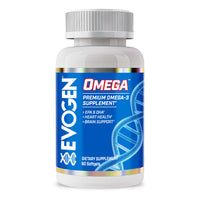
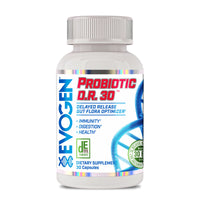
One of the most effective strategies is supporting digestion upstream. Digestive enzymes help break food down more efficiently, which can reduce fermentation and gas buildup after meals. Probiotics support gut microbiota balance, and that matters because an imbalanced gut often leads to frequent bloating, even when food choices look clean and well planned. These are not workout supplements. They are daily tools that help digestion run smoother so bloating is less likely to show up in the first place.
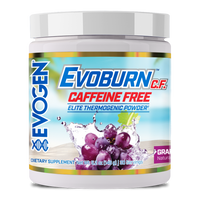
Fluid retention is another major contributor, especially for athletes who train hard and eat higher-sodium diets. Water balance and water loss support products are commonly used to help the body manage excess fluid without dehydration. When digestion is supported and fluid balance is under control, athletes tend to feel lighter, less distended, and more stable both in training and day-to-day life.
What Your Bloating Is Trying To Tell You
When digestive pressure starts messing with your training, the fix isn’t adding more weight to your stomach. It’s choosing options that digest clean, hydrate properly, and don’t hang around once the session starts. That’s why many athletes simplify their approach and focus on products designed to support performance without adding unnecessary digestive stress.
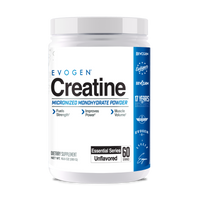
A common strategy is to simplify digestion rather than overload it. Athletes who struggle with bloating often focus on daily gut support instead of adding more around training. Supporting digestion with our probiotics and enzymes, and managing fluid retention with water balance products, helps reduce bloating at the source instead of reacting to it mid-workout.
If bloating has been holding back your performance, tightening up your nutrition timing and product choices is a smart place to start. Support your training with products built for active performance and disciplined growth, and give your digestive system the same attention you give your lifts.